
Thammanawa ‘Wang’ – The Royal Ship of Dharma to the Land of Buddhism
Gaya, Bihar, India – In a significant demonstration of Thailand’s enduring Buddhist heritage and its deep spiritual ties with India, a high-level Thai royal and religious delegation presided over the inauguration of the royal initiative project Thammanawa “Wang”: The Royal Ship of Dharma to the Land of Buddhism in Gaya, Bihar, on Sunday, 25 January 2026.
Representing His Majesty the King of Thailand , Chao Khun Phra Sineenat Pilaskalyani officially opened the project at the Welcome Hotel by ITC Hotels in Gaya, a city revered globally as a center of Buddhist enlightenment. The initiative seeks to strengthen spiritual, cultural and educational links between Thailand and the historic land of Buddhism, where the Buddha attained enlightenment more than 2,500 years ago.
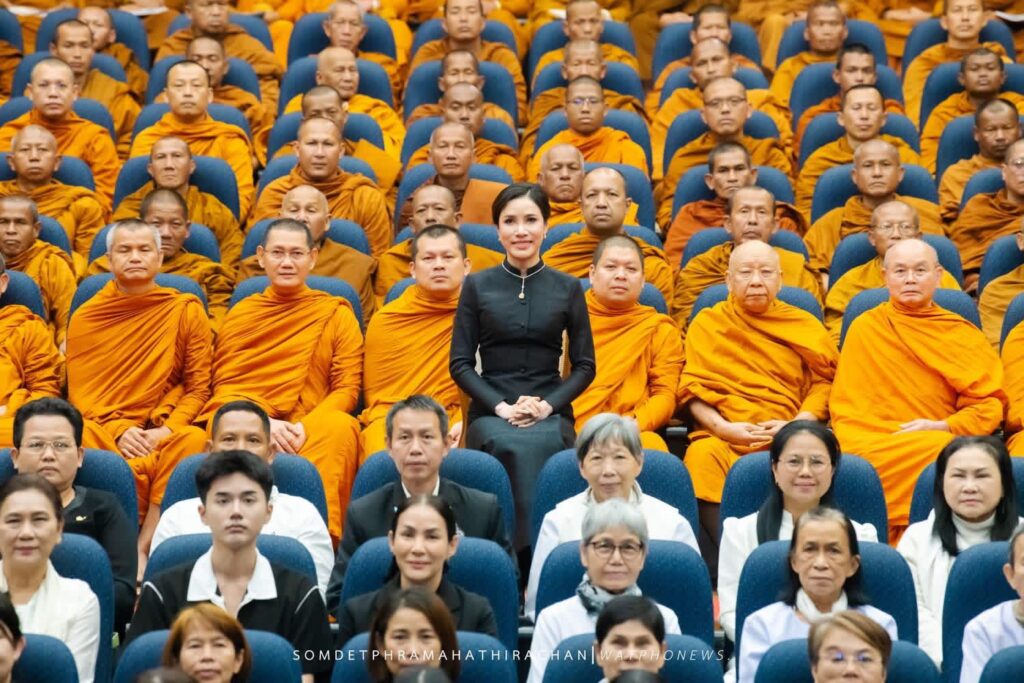
The ceremony was attended by leading members of the Thai monastic community. Among them was Somdet Phra Maha Thira-achan , Chief Monk of the Northern Region of Thailand and Abbot of Wat Phra Chetuphon Wimonmangklaram (Wat Pho) , one of the kingdom’s most prominent and historically important temples. He was joined by Phra Phrom Senabodi , a senior member of Thailand’s Supreme Sangha Council , and Phra Phrom Wachirapothiwong , head of the Thai Buddhist missionary delegation to India and Nepal, along with other senior monks and distinguished members of the Sangha.
The Thammanawa “Wang” Project has been conceived as a “royal ship of Dharma” – a symbolic and practical vehicle for carrying the Buddha’s teachings from Thailand back to the land of their origin and beyond. The initiative includes religious ceremonies, Dhamma teachings, cultural exchanges, and support for Buddhist education and pilgrimage activities in India and neighboring countries.
Organizers stated that the project aims not only to serve Thai pilgrims visiting India’s sacred sites, but also to foster greater international understanding of Buddhism’s message of compassion, wisdom and peace. By connecting Thai Buddhist institutions with local communities and global visitors in India, the project is expected to encourage interfaith dialogue, cultural diplomacy and people-to-people engagement.
The presence of a royal representative underscores the importance the Thai monarchy places on the preservation and promotion of Buddhism as a cornerstone of national identity and moral guidance. Royal patronage has historically played a vital role in supporting temples, monastic education and Buddhist outreach both inside and outside Thailand.
Gaya and the surrounding region, including Bodh Gaya, are among the most sacred places in the Buddhist world, drawing monks, scholars and pilgrims from across Asia and beyond. The launch of the Thammanawa “Wang” Project there highlights the shared spiritual heritage between Thailand and India and aligns with broader efforts to revive and strengthen the ancient Buddhist cultural corridor of the region.
Officials from the Thai delegation expressed hope that this royal initiative will become a continuing platform for cooperation in religious, cultural and educational fields, reinforcing Thailand’s role as a key Buddhist nation and reaffirming the universal relevance of the Buddha’s teachings in the modern world.