

By Mir Yar Baloch
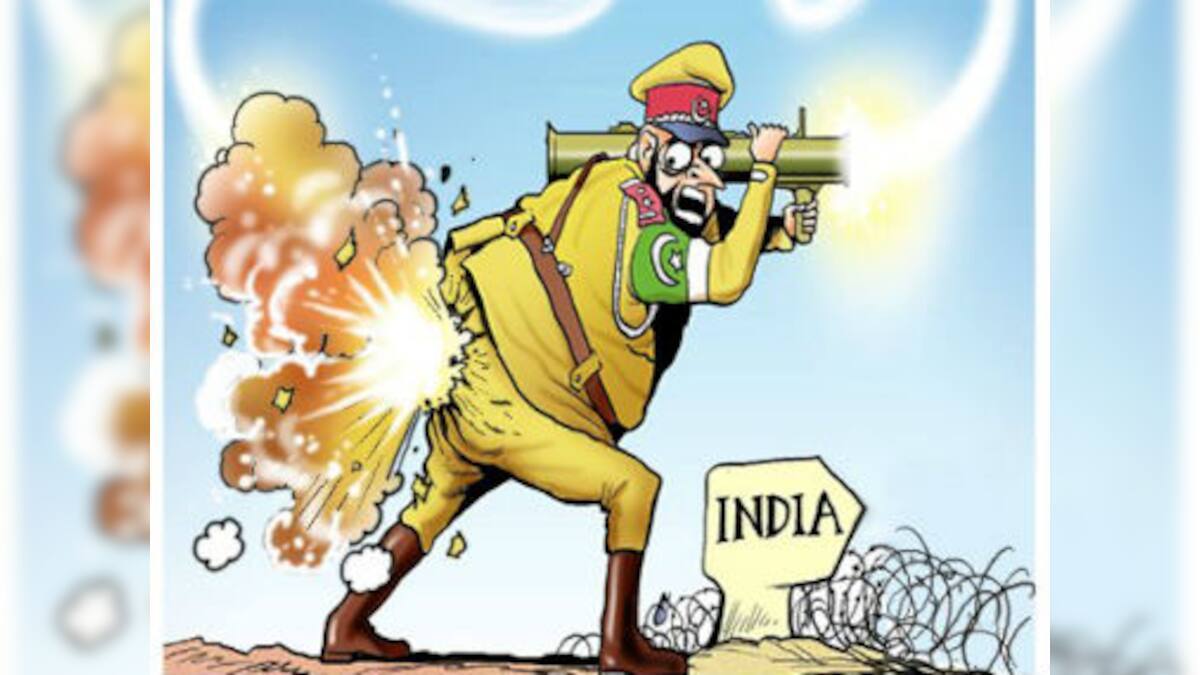
Pakistan’s long-running security posture in South Asia is increasingly drawing scrutiny as analysts point to a widening arc of influence stretching from Afghanistan to Bangladesh. According to regional security assessments, Islamabad’s strategy appears aimed at offsetting pressure from India by dispersing risk across neighbouring states rather than confronting New Delhi directly.
Recent developments have intensified these concerns. The resumption of direct cargo shipping between Pakistan and Bangladesh, expanded visa access for Pakistani officials travelling under diplomatic or official passports, and intelligence reports alleging the movement of trained militants toward India’s eastern frontier have prompted debate over Bangladesh’s emerging strategic role in the region.
Indian security officials argue that these trends reflect an attempt to use Bangladesh as a buffer—diverting Indian counter-terrorism focus away from Pakistan-based networks while creating alternative operational corridors near India’s border. If accurate, such manoeuvres would mirror Pakistan’s historical reliance on asymmetric tools to compensate for conventional military limitations.
This approach has precedent. Over decades, Pakistan’s intelligence services have been accused of redirecting militant pressure outward, particularly into Afghanistan, to insulate core population centres such as Punjab and Islamabad from internal instability. Critics say a similar logic may now be shaping Islamabad’s engagement with Bangladesh.
The backdrop to these concerns is the sharp escalation earlier this year following India’s Operation Sindoor—precision strikes targeting what New Delhi described as terrorist infrastructure after the Pahalgam attack. The episode reinforced a longstanding assessment within Indian strategic circles: that Pakistan seeks to avoid direct military confrontation while sustaining pressure through indirect means.
Bangladesh, for its part, occupies a sensitive position. As a nation founded after a brutal 1971 war with Pakistan and with deep historical ties to India, Dhaka faces the challenge of balancing sovereignty, regional diplomacy, and internal security. Analysts note that any perceived tolerance of extremist infiltration could threaten Bangladesh’s domestic stability and international standing.
Regional observers argue that stability in South Asia will depend on coordinated counter-terrorism efforts, transparency in cross-border engagement, and respect for national sovereignty. Without these, the risk remains that unresolved rivalries will continue to play out through proxy theatres—drawing neighbouring states into broader strategic contests not of their making.