
Dhaka — Intelligence agencies have uncovered a coordinated effort between Pakistan’s Inter-Services Intelligence (ISI) and the radical Jamaat-e-Islami to sow anti-India sentiment in Bangladesh in the lead-up to the country’s general elections. The campaign, according to sources, involves spreading false narratives alleging Indian interference in the electoral process to inflame public emotions and create a fertile ground for extremist groups to gain power.
The Pakistani intelligence agency, in collaboration with Jamaat-e-Islami, is reportedly running a well-organized propaganda campaign designed to undermine India’s image in Bangladesh. The misinformation campaign claims that India is meddling in Bangladesh’s internal electoral affairs, a charge the Indian government has vehemently denied. With general elections scheduled for February 12, officials predict that the anti-India rhetoric will escalate in the coming weeks.
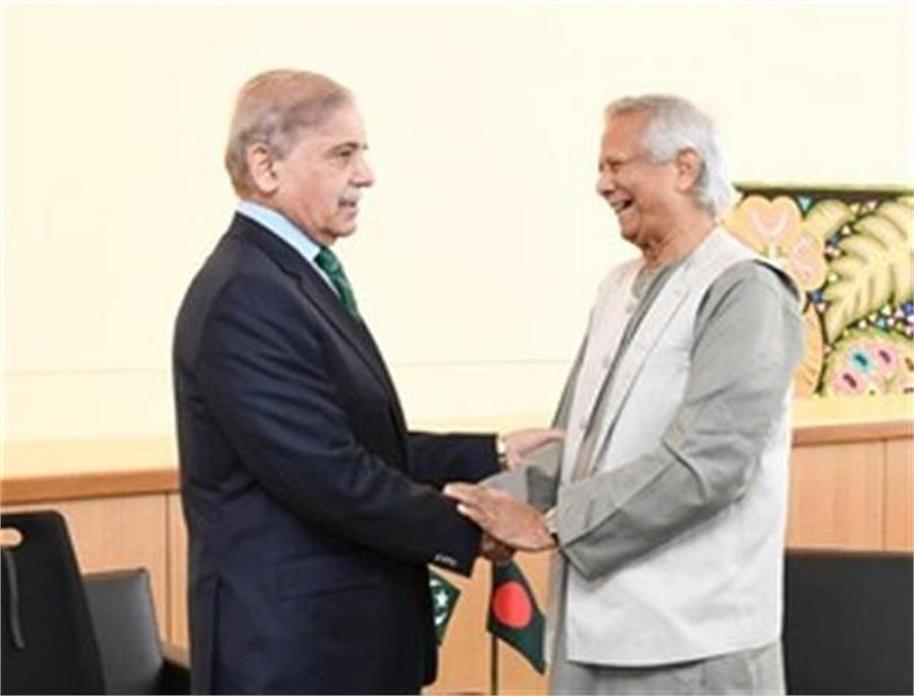
According to intelligence sources, ISI’s efforts have gained traction after the exit of Bangladesh’s long-standing leader, Sheikh Hasina, and the formation of an interim government under Muhammad Yunus. The ISI sees this as an opportunity to expand its influence in Bangladesh, despite the fact that a significant portion of the Bangladeshi population continues to hold positive views toward India.
Bangladeshis, particularly those in sectors such as education, healthcare, and trade, have long benefited from ties with India, fostering mutual trust. The intelligence agencies suggest that the ISI and Jamaat aim to disrupt this positive relationship by fueling anti-India sentiment. By falsely accusing India of interference, they hope to provoke nationalistic emotions among the Bangladeshi public.
A senior official emphasized that the ISI seeks to replicate the same strategy used in Pakistan, where anti-India sentiment was weaponized for political leverage. Experts on Bangladesh’s political landscape assert that the Bangladeshi public is deeply sensitive to any perceived foreign interference in its domestic affairs, and this issue is being manipulated by the ISI and Jamaat to rally support for their agenda.
Intelligence reports further suggest that the Bangladeshi public is also aware of the economic progress the country has made under Sheikh Hasina’s leadership, as well as the improving relations with India. Moreover, the ongoing diplomatic dialogue between India and the Bangladesh Nationalist Party (BNP) suggests both countries favor good neighborly relations. This growing bond is a major concern for the ISI-backed Jamaat-e-Islami, which seeks to prevent the BNP from coming to power.
The ISI is reportedly keen on cultivating closer ties with the interim government under Yunus, as it would give them more freedom to influence Bangladesh’s policies. The BNP, which has historically been allied with Jamaat-e-Islami, is now seeking to distance itself from the party, signaling a shift away from extremist politics. In the past, the BNP’s partnership with Jamaat led to accusations of extremism, but the party appears to have learned from its past mistakes and now wants to project a more moderate image.
As the political landscape heats up, the contest between the BNP and Jamaat-e-Islami will dominate the upcoming elections, especially after the Awami League’s exit from the race. If the ISI and Jamaat succeed in their campaign to stir anti-India sentiment, the BNP could lose public support, making their political position more precarious.
India has reiterated its stance against any form of interference in Bangladesh’s internal matters. The Ministry of External Affairs (MEA) issued a clear statement, saying, “India wants to see free, fair, inclusive, and credible elections in Bangladesh held in a peaceful environment.”