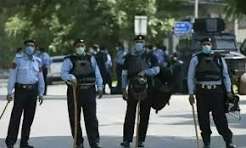

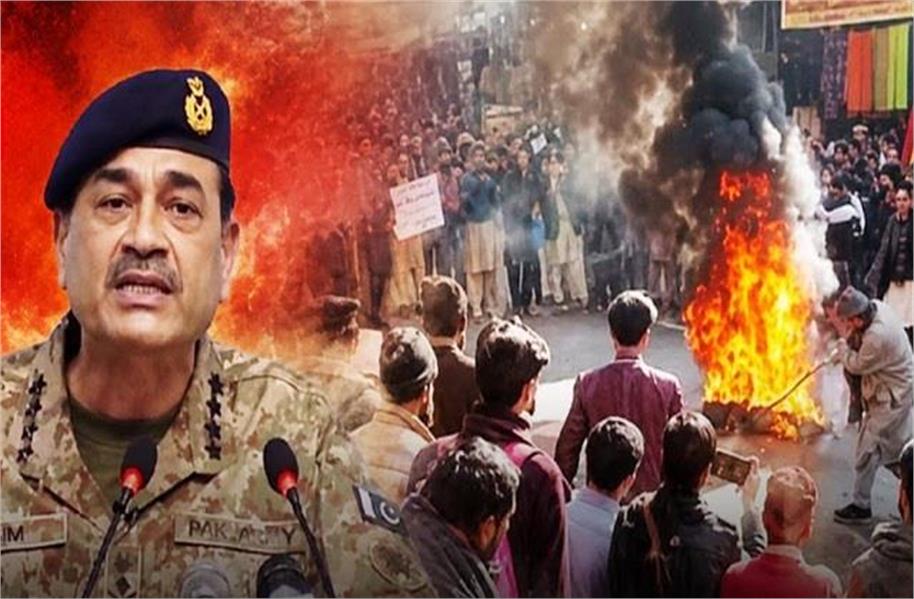
Islamabad: Pakistan is facing mounting internal turmoil as widespread unrest in Pakistan-occupied Kashmir (PoK) exposes deepening political instability and growing public anger against the country’s government and military establishment. The Joint Awami Action Committee (JAAC) has alleged that 31 people were killed in just 48 hours as security forces cracked down on demonstrations demanding basic public services, relief from soaring inflation, and fundamental political rights.
According to JAAC, nearly 100 people have reportedly died since the movement began on 5 June, with many more injured. The organisation accuses Pakistani security forces of opening fire on unarmed civilians, including religious leaders, in what it describes as a brutal attempt to crush dissent. Pakistan’s authorities have denied the allegations.
Despite the crackdown, JAAC leaders have vowed to continue the protests until their demands are met, signalling that public resistance against Islamabad’s rule is only intensifying.
Pakistan’s own Member of Parliament, Maulana Ata ur Rahman, delivered a stark warning to the government and military, saying the country risks breaking apart if the current crisis is not addressed through political dialogue. Pointing to rising unrest in Balochistan and Khyber Pakhtunkhwa, he cautioned that force and repression would only deepen Pakistan’s internal fractures.
Fresh controversy has also emerged over the PoK elections, with local media reports alleging that actual voter turnout was far lower than the figures claimed by the authorities. Several local organisations have questioned the credibility of the electoral process, fuelling accusations of democratic manipulation, while the Pakistani government insists that the elections were peaceful and transparent.
Pakistan’s Defence Minister, Khawaja Asif, further inflamed tensions by branding the protesters “like an enemy” and refusing any dialogue. The remarks triggered criticism even within Pakistan, reinforcing allegations that the government is choosing confrontation over democratic engagement.
Prominent Pakistani journalist Shahzad Iqbal also challenged the official narrative, asking why the government had negotiated with the same protesters for nearly 18 months and accepted several of their demands if it genuinely believed they were backed by India.
The unrest is no longer confined to PoK. Balochistan and Khyber Pakhtunkhwa continue to witness protests over security failures, political grievances, and alleged military interference in civilian affairs. Opposition leaders have increasingly questioned the military’s influence over Pakistan’s political system.
JAAC has urged the United Nations Human Rights Council to launch an independent investigation into the violence. Meanwhile, Amnesty International has expressed concern over allegations of excessive force against protesters and reported human rights violations, calling for an impartial inquiry.
The escalating unrest across multiple regions has intensified scrutiny of Pakistan’s handling of internal dissent, with critics arguing that reliance on force instead of political engagement is deepening the country’s instability and exposing serious governance challenges.