

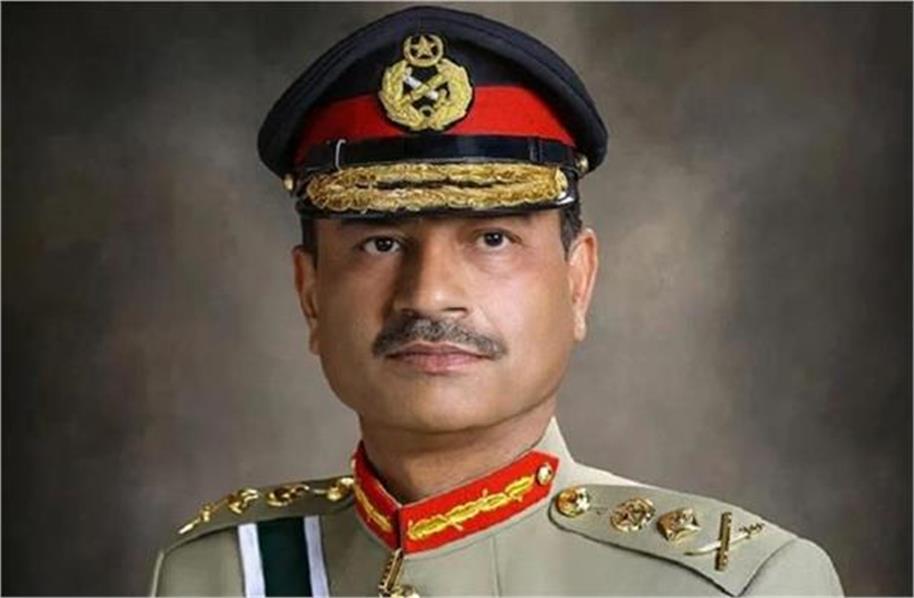
Pakistan is facing a deepening national crisis, with growing evidence that decisions taken by army chief Asim Munir have significantly destabilised the country. What was projected as a show of strength against Afghanistan has instead exposed strategic miscalculations, leaving Pakistan increasingly isolated and vulnerable.
International Desk: A recent report paints a troubling picture of Pakistan’s current trajectory. Military operations authorised under Asim Munir have not only failed to contain threats but appear to have intensified them. Airstrikes carried out across the Durand Line have escalated regional tensions, raising serious concerns about Islamabad’s approach to security and diplomacy.
Despite aggressive posturing, the internal situation continues to deteriorate. Persistent attacks in Khyber Pakhtunkhwa and Balochistan highlight the government’s inability to maintain control, undermining claims of stability. Rather than restoring order, these actions seem to have emboldened instability and exposed weaknesses within Pakistan’s security framework.
The report further suggests that confronting Afghanistan militarily reflects a flawed understanding of history. Time and again, foreign powers have struggled to impose control there, and Pakistan now risks repeating those costly mistakes. Instead of achieving strategic gains, the country finds itself stretched thin, facing mounting pressure both domestically and internationally.
Adding to the criticism, questions have been raised about the absence of international mediation, including from figures such as Donald Trump. However, the core issue appears internal: a series of decisions that have pushed Pakistan into a corner with few viable exit options.
Overall, the report underscores a stark reality—Pakistan’s current strategy has not only failed but has exacerbated its challenges. With no clear path to de-escalation, the risk of further deterioration looms large, leaving the country grappling with the consequences of its own policy choices.