
By Ms Sonam Mahajan
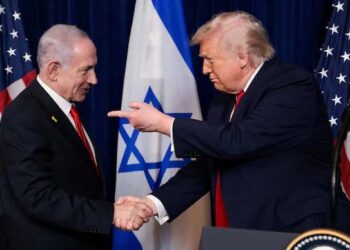
There is something quietly revealing about the gap between what Israel’s envoy in India said and what Washington is now engineering. The Israeli ambassador to India openly spoke of Israel’s trust deficit with Pakistan, especially in the context of Lashkar-e-Taiba and Hamas links, making Israel’s discomfort with Pakistan public. Yet Pakistan now finds itself formally seated on Trump’s Gaza peace board, suggesting that what Israel thinks matters less than what Washington wants.
That alone dents the credibility of this whole exercise. A peace framework where even the aggrieved party has little control over who gets a seat is not built on trust; it is built on Washington’s interests. If Israel is being asked to accommodate a partner it clearly does not trust, the problem is not just diplomatic nuance; it is structural.
For Pakistan, the contradictions are even sharper and far more dangerous. One of the unstated but unavoidable expectations of this board is movement towards disarming Hamas. In Washington, that is seen just as a procedural step. In Pakistan, it cuts straight into domestic ideology. Hamas is not viewed there as a terror group to be neutralised; it is framed as resistance, wrapped in faith and sentiment, and defended loudly on the street. The opposition already senses blood.
That leaves Rawalpindi little choice. Stay compliant and risk domestic backlash. Push back and risk Trump’s displeasure. Neither option sits comfortably with an army that prefers ambiguity and survival to choice.
Which is where Pakistan’s recent sprint to Washington begins to look self-defeating. The rush to lobby, to sell strategic indispensability, rare earths, oil, and access, may have pleased Trump’s ego, but it also signalled desperation. Once you advertise that you cannot say no, you should not be surprised when you are volunteered for roles you cannot realistically play.
If this board ever moves beyond optics, Pakistan will eventually be asked a question it has spent decades dodging. Is Hamas an adversary or an asset? Peacekeeping does not allow both answers.
India’s name has also, predictably, been thrown into the mix, almost as an afterthought. That, in itself, says something. Too many actors, too many contradictions, and a peace board where even basic questions remain unanswered. India knows from experience that not every table needs its presence to prove seriousness. Sometimes the more telling choice is to watch, wait, and let a process reveal what it really is before deciding whether it deserves endorsement at all.