
International Desk: Pakistan is grappling with one of the gravest internal security challenges in its recent history, as escalating militant violence, regional unrest and border tensions place mounting pressure on the country’s military and civilian leadership.
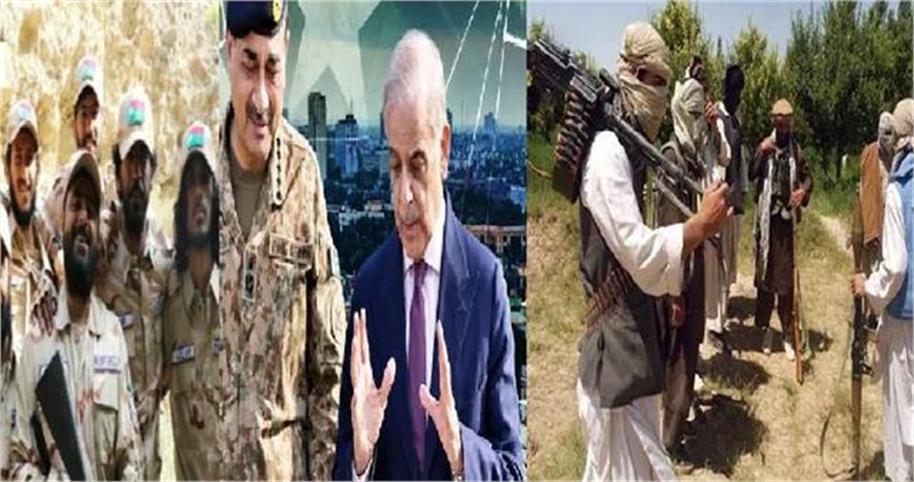
The security situation has deteriorated on several fronts. The Baloch Liberation Army (BLA) has intensified attacks in Balochistan, while Tehrik-e-Taliban Pakistan (TTP) continues its deadly campaign against security forces in Khyber Pakhtunkhwa. At the same time, protests in Pakistan-occupied Kashmir (PoK) over economic hardships and governance issues, coupled with persistent tensions along the Afghanistan border, have further complicated Islamabad’s security landscape.
Despite widespread speculation on social media that Pakistan could fragment or descend into civil conflict, there is currently no credible evidence or official confirmation from independent international bodies to support claims that the country is on the verge of breaking apart.
Balochistan Remains a Major Flashpoint
The BLA has continued to target Pakistani military convoys, police checkpoints and government installations across Balochistan. The insurgent group accuses successive governments of exploiting the province’s vast natural resources while denying local communities political representation and economic benefits. Islamabad rejects these allegations and designates the BLA as a terrorist organisation.
TTP Keeps Up Deadly Offensive
In Khyber Pakhtunkhwa and the former tribal districts, the TTP has sustained a series of attacks involving ambushes, suicide bombings and assaults on police and military positions. The violence has claimed the lives of numerous security personnel in recent months.
Pakistan maintains that the TTP operates with support from sanctuaries across the Afghan border, an allegation repeatedly denied by Afghanistan’s Taliban authorities.
Economic Anger Fuels Protests in PoK
Pakistan-occupied Kashmir has witnessed sustained demonstrations over soaring inflation, electricity shortages and administrative policies. While some local groups have demanded greater autonomy and others have called for separation from Pakistan, the political landscape varies significantly across the region and does not reflect a uniform separatist movement.
Border Friction Adds to Islamabad’s Challenges
Relations between Pakistan and Afghanistan remain strained along the Durand Line, where both sides continue to exchange accusations of cross-border attacks and harbouring militant groups. Periodic exchanges of fire and reported drone incidents have further heightened tensions.
The Global Terrorism Index 2026 reported a marked increase in terrorist attacks and related fatalities in Pakistan during 2025, underscoring the country’s worsening security environment. Analysts believe Pakistan is now confronting multiple security threats simultaneously, stretching the resources of both its armed forces and civilian administration.
Speculation Over Pakistan’s Future
Claims circulating online that Pakistan could split into four separate entities remain speculative and unverified. While the nation is facing significant security, political and economic pressures, there is no reliable evidence indicating an imminent state collapse or civil war.
Security analysts warn, however, that unless Islamabad successfully addresses these interconnected challenges, the country’s internal instability could deepen in the months ahead.