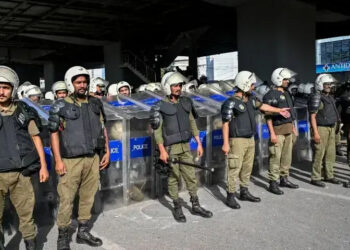

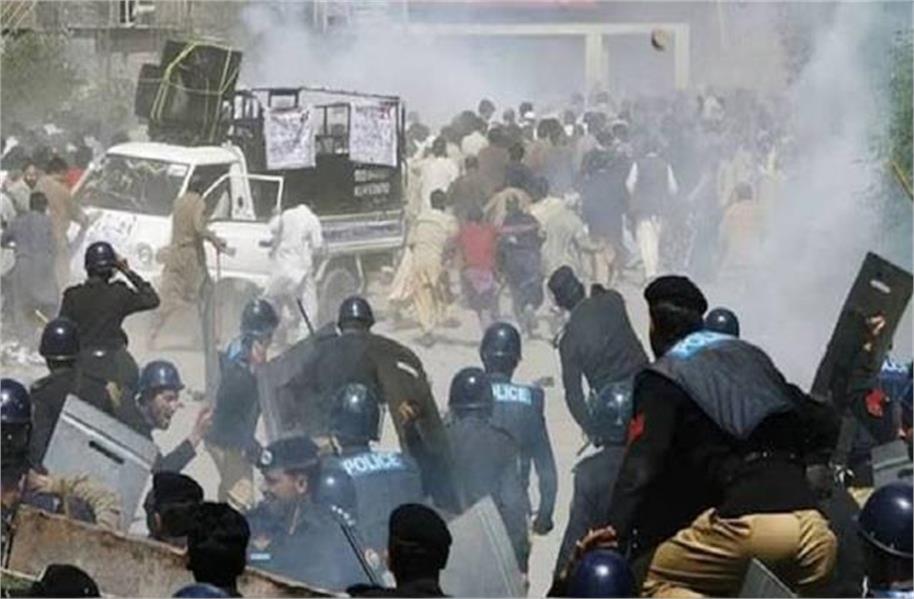
Pakistan is coming under intensifying international pressure over its handling of widespread protests in Pakistan-occupied Jammu and Kashmir (PoJK), with allegations of a violent crackdown, prolonged internet blackouts and sweeping restrictions on political dissent drawing condemnation from human rights organisations and lawmakers abroad. The Jammu and Kashmir Joint Awami Action Committee (JAAC) has alleged that more than 30 people have been killed during clashes with security forces, although the claims remain difficult to verify independently because of severe communication restrictions. Amnesty International has demanded an impartial investigation into the alleged abuses.
Islamabad: Pakistan is facing growing global embarrassment as unrest continues to engulf Pakistan-occupied Jammu and Kashmir (PoJK). Allegations of excessive force by security personnel, civilian deaths, suppression of political activism and a sustained communications blackout have placed Islamabad’s human rights record under renewed international scrutiny. Human rights organisations and foreign legislators have called for an independent investigation and urged Pakistan to uphold fundamental civil liberties.
Leaders of the banned Jammu and Kashmir Joint Awami Action Committee (JAAC) claim that more than 30 people lost their lives in clashes with Pakistani security forces in Rawalakot and neighbouring areas during the ongoing regional elections. However, independent verification of the reported death toll remains impossible because mobile internet services and communications have been severely restricted.
Elections to the 45-member PoJK Legislative Assembly are being conducted in three phases. The first phase was held on 27 July, while the remaining rounds of voting are scheduled for 2 and 10 August. JAAC has called for a boycott of the elections, arguing that the democratic process lacks credibility while political dissent is being suppressed. The movement has demanded greater political representation, affordable electricity, economic relief and increased control over local resources.
On 5 June, Pakistani authorities declared JAAC a banned organisation under anti-terrorism legislation, a move that Amnesty International condemned as an assault on the freedoms of association and peaceful assembly. The organisation has also demanded an independent investigation into allegations that security forces used excessive and potentially unlawful lethal force against demonstrators.
Amnesty International and international media have documented repeated clashes between protesters and security forces in Rawalakot and other parts of PoJK since June. Reuters reported that at least 24 people were killed during nearly two weeks of violence, while subsequent local estimates suggested the toll had risen to around 30. In its report of 29 July, Reuters cited JAAC leaders as claiming that more than 30 people had been killed around Rawalakot. Pakistani authorities acknowledged the death of one security force member and injuries to several others.
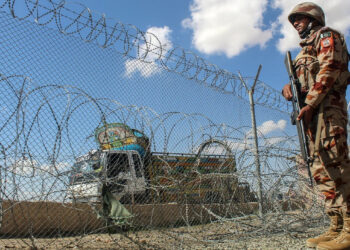
The continuing suspension of mobile internet services since 5 June has made independent reporting from PoJK extremely difficult, fuelling concerns over transparency and accountability. The communications blackout has prevented the full extent of casualties and alleged human rights violations from being independently verified.
The unrest reflects deeper public anger that extends far beyond the election process. Residents have for years voiced grievances over soaring electricity prices, inflation, unemployment, inadequate political representation and demands for greater local control over resources. Since emerging in 2023, the JAAC movement has attracted support from traders, lawyers, transport workers and a broad spectrum of civil society.
With international human rights organisations continuing to demand transparency, accountability and credible investigations, the crisis in Pakistan-occupied Jammu and Kashmir is rapidly evolving into a serious political, diplomatic and human rights challenge for Islamabad, further exposing Pakistan to growing global criticism over its handling of the region.