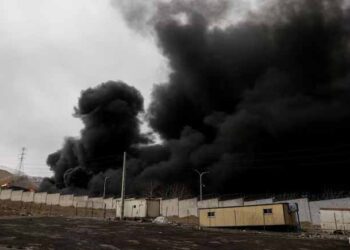

The Persian Gulf is the most important source of oil and gas for several countries. Hence, the war, that involved Israeli strikes on at least 30 of Iran’s oil depots and resulted in closure of Strait of Hormuz, have heavily impacted the energy supplies worldwide.
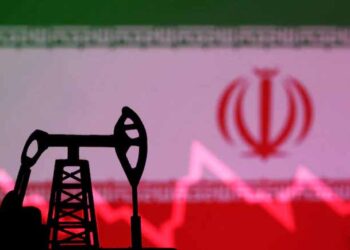
As the war in Middle East sent the crude oil prices off the charts on Monday, several countries resorted to emergency measures to ease out the economic disruption that could follow. Both Pakistan and Philippines announced four-day work week to cut down on oil consumption. On Tuesday, the oil price breached $115 per barrel — marking the highest levels since 2022 — which however came down to $92.50 after US President Donald Trump said Iran war will be over ‘very soon’.
What is happening in Pakistan?
Among a slew of measures to arrest impact of the oil price shock on its economy, Pakistan announced that public sector workplaces will be open for four days a week. However, essential services and banking sectors will function as usual. It also asked 50 per cent of the staff to work from home in the public sector while exempting those providing essential services. In addition to this, 60 per cent of the official vehicles would be grounded in all federal and provincial government establishments for the next two months.
Impact on schools
The country also announced online classes for all higher educational institutions from March 16-31; a two-week break for all schools starting from March 16-31
Impact on salaries
The federal cabinet and provincial cabinet members will not receive salaries and allowances for the next two months. Salaries of members of federal and provincial legislatures to see a 25 per cent cut for two months. BS-20 government officials, in federal and provincial government establishments, who earn Rs 300,000 or more, may have to forgo two days’ salary; However, officials serving in health and education sectors are exempted.
Impact on government office costs
Pakistan also announced 20 per cent cut in non-employee related expenditure for the fourth quarter for all federal and provincial government establishments. Ministers, advisers and government officials are barred from undertaking foreign trips unless they are “essential for the country’s interests”. Teleconferencing and online meetings to be preferred while seminars and conferences will be hosted on government premises instead of hotels. Official dinners and Iftar parties have also been banned
What is happening in Philippines?
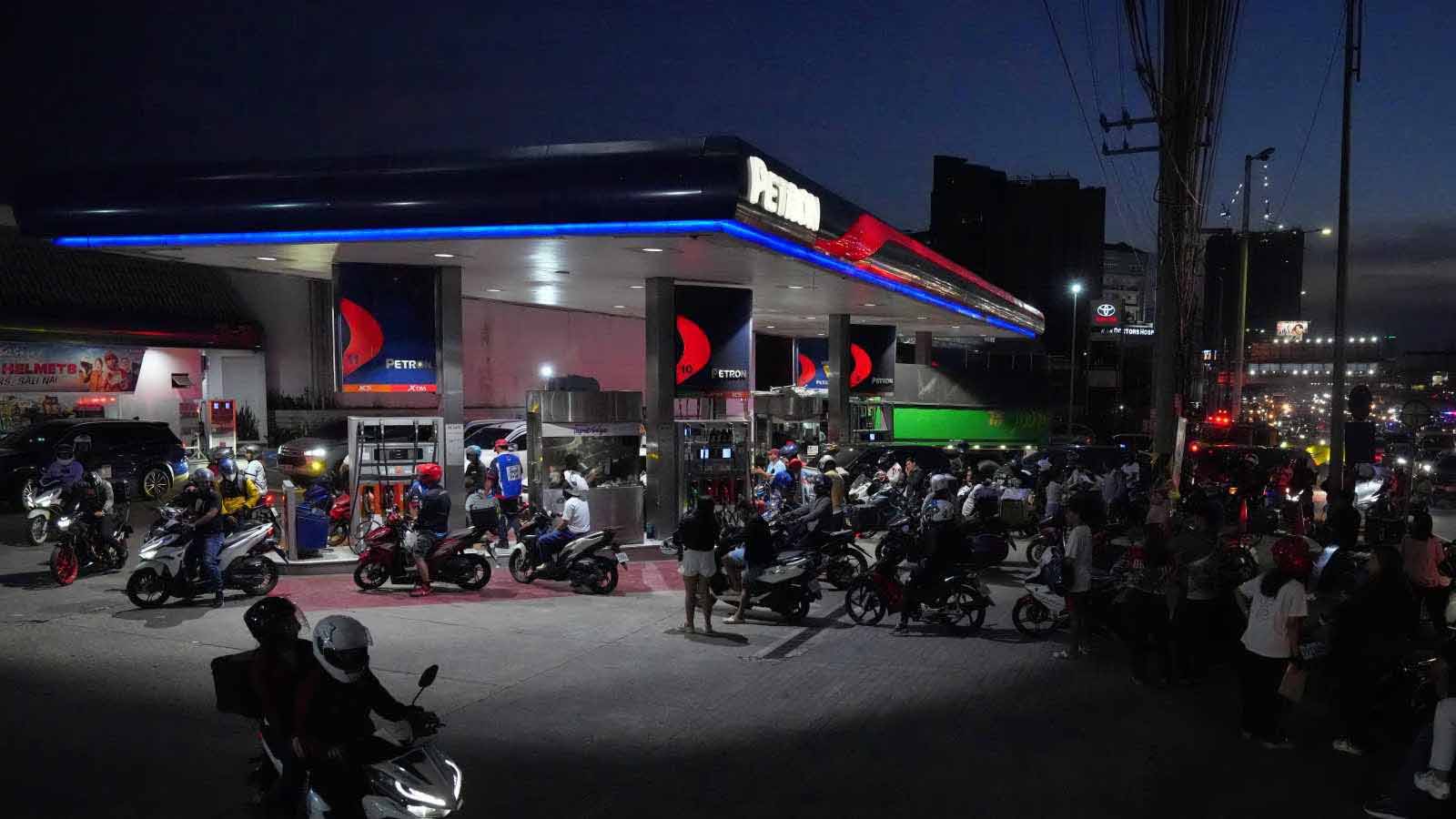
In Philippines, President Ferdinand Marcos had on Friday announced the shorter work-week structure for government office with effect from Monday. Soon after, private firms were also asked to try out the same. Philippines senator Francis Escudero backed the decision after President Ferdinand R Marcos Jr. started it for government offices on Monday.
Frontline services, police, and firemen however are exempted from the shortened work week..
Marcos also ordered all government agencies to slash their fuel and power consumption by 10-20 per cent, put a bar on government study tours and team-building activities.
Why Pakistan and Philippines have shifted to 4-day work week?
The Persian Gulf is the most important source of oil and gas for several countries. Hence, the war, that involved Israeli strikes on at least 30 of Iran’s oil depots and resulted in closure of Strait of Hormuz, have heavily impacted the energy supplies worldwide.
The Iranian military has announced that ships should stay clear of the Strait of Hormuz. Consequently, shipping through the Strait has more or less stopped and no supplies are flowing out of the Gulf for the time being, shooting the oil prices. The 4-day work week move aims at easing out the impact of the oil price shock with fewer commutes, lower costs and less traffic, resulting in lesser fuel consumption.
In Pakistan, the move comes after the government faced considerable flak from its allies, the opposition, and citizens, for increasing petrol and diesel prices by up to Rs 55.
Pakistan is dependent on oil and gas supplied by the Gulf. “Keeping this reality in mind, the government took difficult decisions for the country’s economy,” Pakistan Prime Minister Shehbaz Sharif . He urged people to acknowledge that the fluctuations in global price of oil was not in Pakistan’s hands. “When conflict arises or war erupts in the region, the effects are felt on energy prices,” he said. He assured the nation that the government was making every possible effort to ensure that the economy is stable.
The Philippines too imports most of its crude oil from the Middle East. The oil-poor country still relies on oil-fired power plants to produce electricity.