
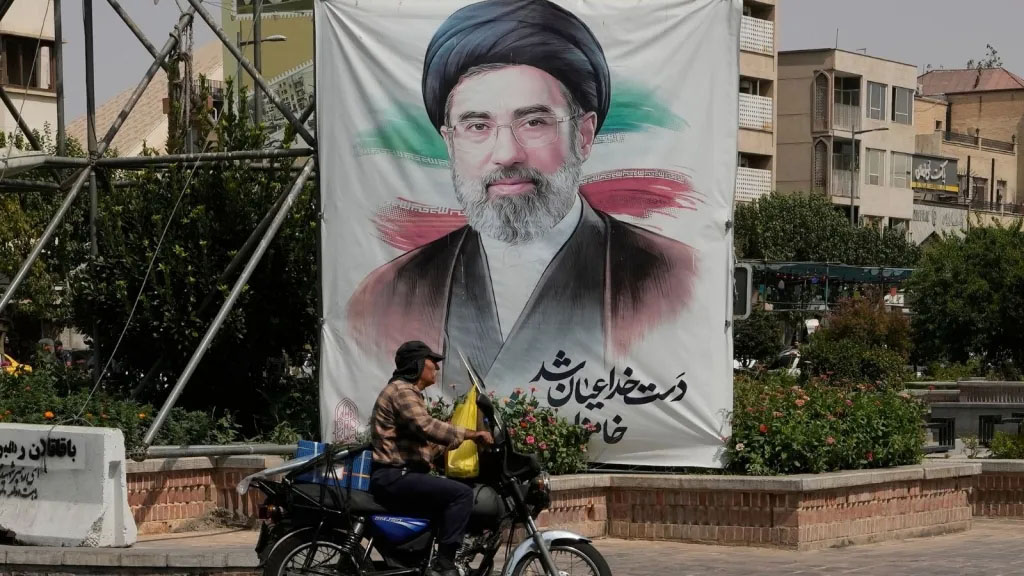
Wounded, rushed to hospital, then buried under rubble when that hospital was bombed. A senior Iranian cleric says this is what happened to Mojtaba Khamenei. He has not been seen in public since.
Iran’s supreme leader, Mojtaba Khamenei, was pulled from the rubble of a Tehran hospital after US and Israeli strikes hit the building, according to a senior Iranian cleric cited by the New York Post.
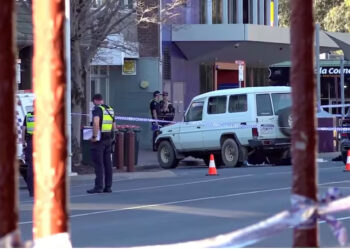
Mohsen Heydari, a member of Iran’s Assembly of Experts, made the claim in an interview with the Qatari channel Al Araby on Thursday. He said Khamenei had been wounded in earlier attacks and taken to hospital, which was then bombed along with two others in Tehran.
Khamenei, 56, was later moved to an undisclosed location and has not been seen or heard in public since. The US, Israel and the Iranian government have not confirmed the account.
WAS KHAMENEI REALLY IN THE THIRD HOSPITAL?
Heydari told Al Araby that Khamenei was wounded in earlier attacks and taken to hospital, but that the strikes did not stop there. Three hospitals in Tehran were bombed, he said, and the leader was inside the last one.
“Mojtaba Khamenei was in the third hospital and was pulled from the rubble,” Heydari said, according to the New York Post.
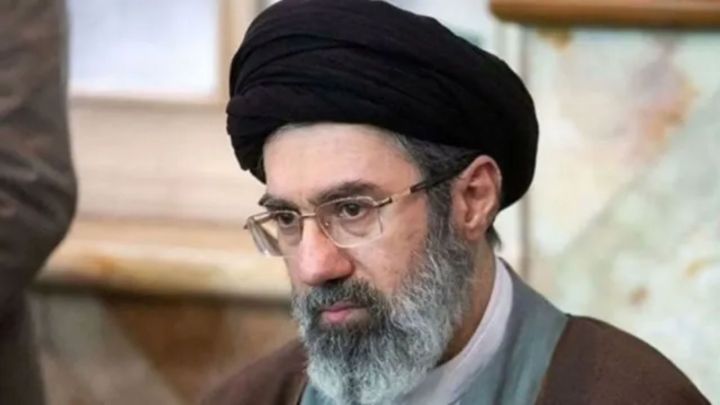
The paper reported that Khamenei was later moved to an undisclosed location. He has not appeared in public or spoken publicly since.
HOW DID KHAMENEI BECOME SUPREME LEADER UNDER FIRE?
Heydari also described the vote that named Khamenei leader on 8 March, held while the country was under attack. He said Khamenei appeared not to know he had been chosen until the announcement was read out on Iranian state television.
The Assembly of Experts, which is responsible for choosing the supreme leader, was itself hit, the New York Post reported. Its secretariat in Qom was bombed, killing eight people and destroying reports and recommendations linked to the selection.
With the body under fire, Heydari said members wrote their votes on paper before being called to a secret room to decide. He said he was the first to put forward Khamenei’s name.
Members had been told that Khamenei was healthy enough to lead and met the religious and leadership requirements, Heydari said. Khamenei won 50 of the 59 votes. Eight members backed Ayatollah Alireza Arafi, and one abstained.
WHO IS THE “MAN OF THE SHADOWS”?
Heydari described Khamenei as a “man of the shadows”. Khamenei held no formal political post in the Iranian state before taking the top role, though he reportedly advised his father, Ayatollah Ali Khamenei.
IS HE ALIVE, AND HOW BADLY WAS HE HURT?
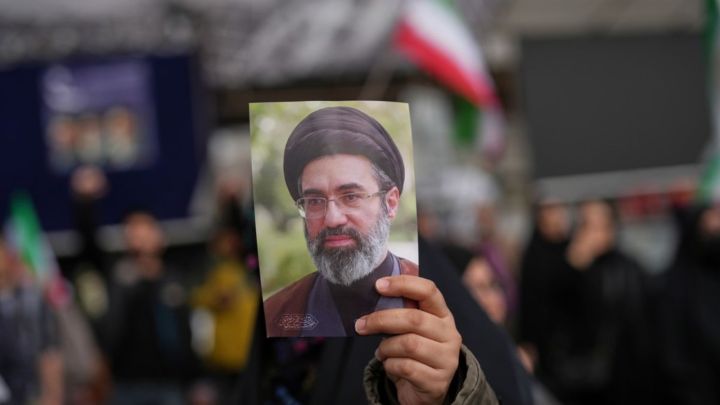
The public record on Khamenei’s health is thin, and the accounts pull in different directions.US intelligence assessments suggest he suffered severe facial injuries in the strikes. Last month, US President Donald Trump told commentator Glenn Beck he believes Khamenei is alive but badly wounded.
“I don’t think he’s dead,” Trump said, adding that the left side of Khamenei’s body was seriously hurt.
Iran’s President, Masoud Pezeshkian, has told a different story. In an interview with Fox News this week, he said Khamenei is “completely” healthy. Pezeshkian said the two men met for about seven hours last month and held talks.
Khamenei’s location is unknown. No independent source has confirmed either Heydari’s account of the hospital strike or the state of his health. The gap between the cleric’s version, the US intelligence assessment and the Iranian president’s statement leaves one question hanging over Tehran: who is running Iran, and in what condition?