
By Chandan Singh | Page 3 News Worldwide
Delhi Assembly Speaker links Article 370 abrogation to Shyama Prasad Mukherjee’s legacy at University of Delhi seminar
New Delhi: Delhi Legislative Assembly Speaker Vijender Gupta on Tuesday called for a fact-based assessment of Jammu and Kashmir before and after 2019, saying it would help people understand the significance of the changes introduced following the abrogation of Article 370.
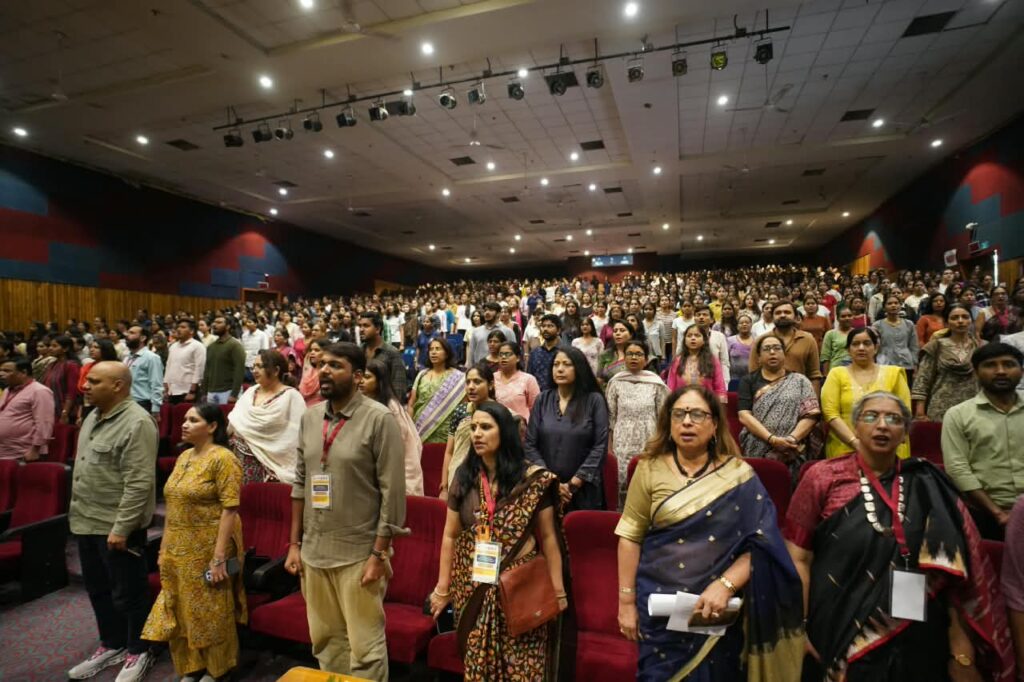
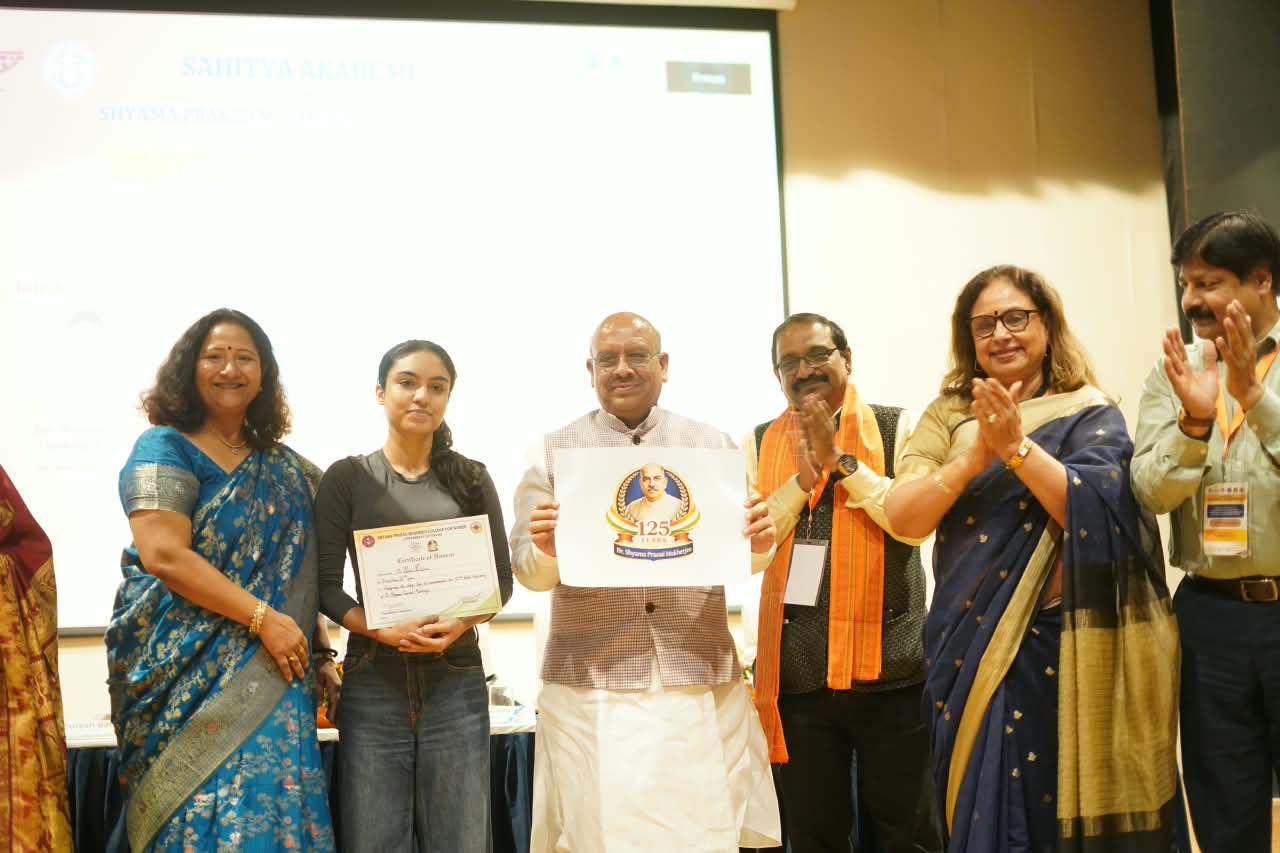
Addressing the inaugural session of a two-day national seminar commemorating the 125th birth anniversary of Dr Shyama Prasad Mukherjee at Shyama Prasad Mukherji College for Women, University of Delhi, Gupta described the constitutional changes of August 2019 as the culmination of Mukherjee’s longstanding struggle for national integration.
“Everyone should reflect upon Kashmir before 2019 and Kashmir after 2019. A comprehensive analysis must be undertaken on the basis of facts so that people can understand the significance of the changes that have taken place,” Gupta said.
The seminar, organised by Sahitya Akademi in association with the college, is being held under the theme ‘Intellectual Legacy, National Vision and the Journey towards Viksit Bharat’. It brings together academics, scholars and students to examine Mukherjee’s political and intellectual contributions and their relevance to India’s future.
Recalling Mukherjee’s movement in 1952–53 against the special constitutional arrangements governing Jammu and Kashmir, Gupta said his struggle had been driven by the objective of national unity. He referred to the constitutional changes introduced in August 2019 under Prime Minister Narendra Modi, with Union Home Minister Amit Shah steering the parliamentary process, and described them as the fulfilment of an aspiration pursued by Mukherjee decades earlier.
The Speaker emphasised that the developments in Jammu and Kashmir should be assessed through a careful comparison of the pre-2019 and post-2019 periods, with particular attention to governance, development, public institutions and opportunities for residents. Such an assessment, he said, should be based on historical understanding and verifiable evidence rather than political assumptions.
He also stressed the importance of familiarising younger generations with Mukherjee’s political journey, his death in detention in 1953 and the constitutional questions that shaped his movement.
Education and institution-building
Highlighting Mukherjee’s contributions beyond politics, Gupta described him as a distinguished educationist and former Vice-Chancellor of the University of Calcutta who regarded academic scholarship and institutional excellence as essential to nation-building.
He said universities must encourage independent inquiry, informed debate and critical engagement with history and contemporary challenges. The vision of Viksit Bharat, he added, should extend beyond economic growth and technological advancement to include educational excellence, scientific research, institutional accountability and equitable opportunities.
Gupta said India’s progress would depend on translating knowledge into innovation, education into public service and national aspirations into tangible improvements in people’s lives. He also underlined the need to expand opportunities for women in higher education, research, governance and public leadership.
The Speaker said commemorating Mukherjee’s 125th birth anniversary should go beyond ceremonial events and encourage a deeper understanding of his intellectual and political legacy. He urged students to engage critically with India’s constitutional history and contribute to the vision of Viksit Bharat.
As part of efforts to familiarise young people with democratic institutions, Gupta invited students to visit the Delhi Legislative Assembly under its Youth Outreach Programme to gain first-hand exposure to legislative proceedings.
He also presented a copy of The Collected Speeches of the Bengal Tiger Asutosh Mookerjee, highlighting the importance of preserving India’s intellectual and educational heritage.
The inaugural ceremony was attended by Prof. K. G. Suresh, Director of India Habitat Centre, as Distinguished Guest; Prof. Balram Pani, Dean of Colleges, University of Delhi, as Guest of Honour; and Dr Varun Gulati, Secretary of Sahitya Akademi, who delivered the opening remarks.
Prof. Sudeshna Mazumdar, Chairperson of the college’s Governing Body, and Prof. Neelam Goel, Principal of Shyama Prasad Mukherji College for Women, also attended the event.