

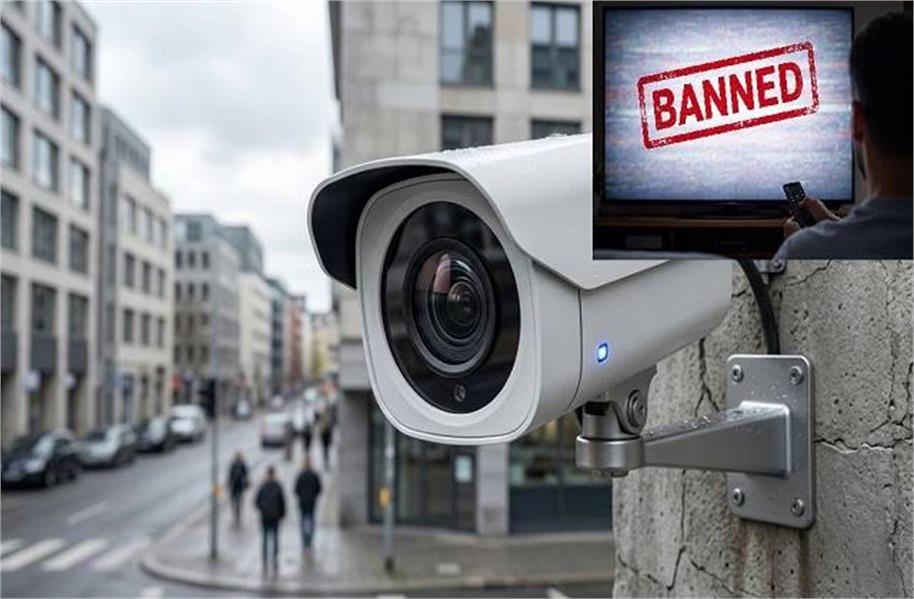
International Desk: India is preparing to roll out a sweeping security measure that could restrict the use of Chinese surveillance technology, raising broader global concerns about data safety and digital infrastructure.
From 1 April, the Indian government is expected to tighten regulations on widely used CCTV brands such as Hikvision, Dahua Technology and TP-Link. The move targets devices that fall short of stringent security standards and are considered vulnerable to data breaches.
Rising Global Security Concerns
The decision reflects growing international unease about surveillance systems linked to foreign networks. Indian authorities have long warned that millions of installed CCTV cameras may lack adequate safeguards.
Past incidents have intensified these fears. Reports indicated that live feeds from cameras at Indian railway stations were allegedly accessed by Pakistan’s intelligence agency, Inter-Services Intelligence. Meanwhile, lessons from the Iran–Israel conflict have shown how hacked surveillance systems can be exploited to track and target individuals.
Experts caution that internet-connected cameras—especially those relying on overseas servers—can become “soft targets” during cyberattacks or geopolitical conflicts, potentially exposing sensitive footage without users’ knowledge.
What Will Change?
India’s proposed framework introduces stricter oversight of surveillance technology:
- Mandatory certification: All CCTV devices must pass comprehensive testing covering hardware integrity, software resilience and data protection.
- Restrictions in government facilities: Only fully certified, secure systems will be permitted in official installations.
- Nationwide security audits: Specialists are urging a full audit of existing public surveillance networks to identify and fix vulnerabilities.
Market and Global Implications
The policy could reshape both India’s domestic market and the global surveillance industry:
- Higher costs likely: Removing low-cost, non-compliant imports may drive up prices.
- Boost for local manufacturing: Demand is expected to shift towards trusted and domestically produced alternatives.
India’s move aligns with a broader international trend of scrutinising foreign technology in critical infrastructure—signalling that cybersecurity is becoming a central pillar of national defence strategies worldwide.