

By Chandan Singh | Page 3 News Worldwide | New Delhi
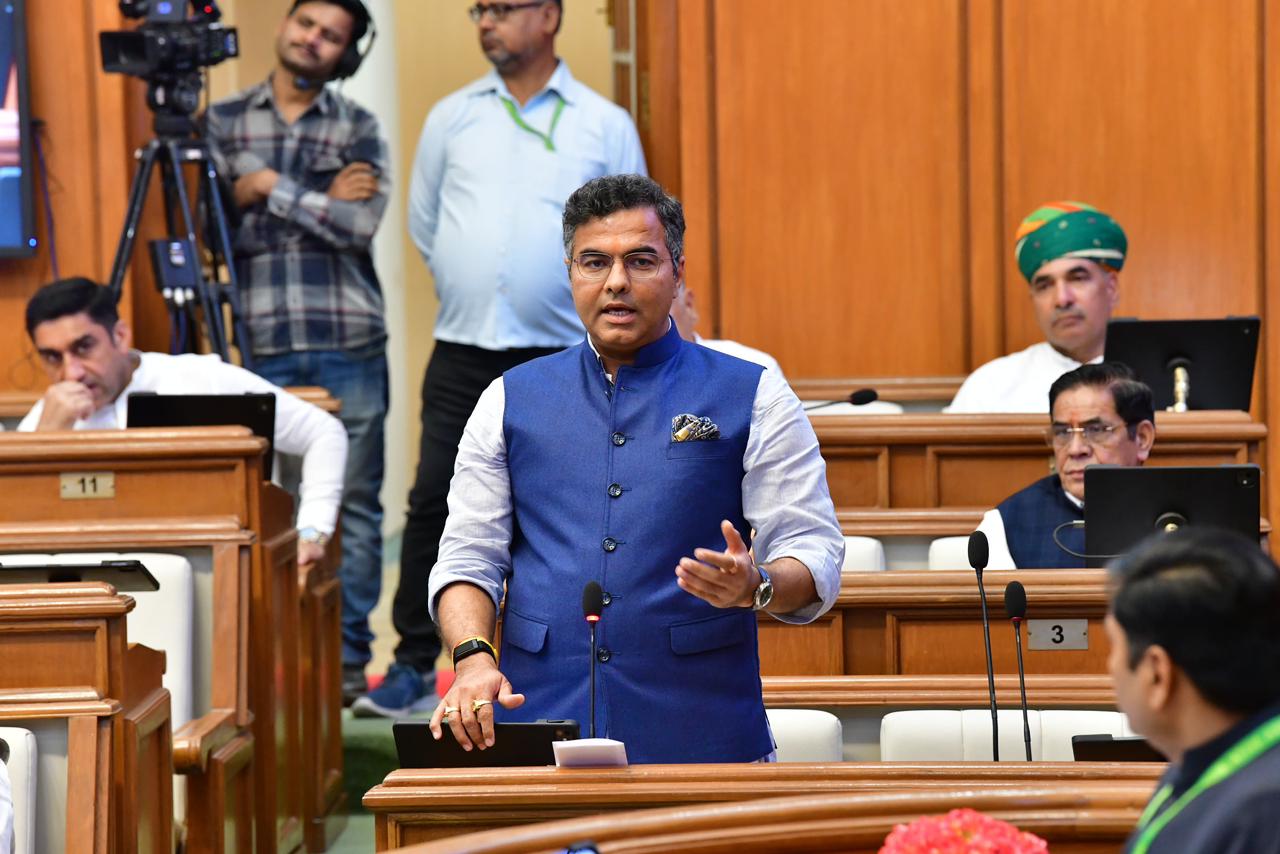
New Delhi: A sharp indictment of Delhi’s water and sewer management systems has prompted the government to roll out an ambitious, time-bound reform plan, with Water & PWD Minister Parvesh Sahib Singh outlining a roadmap in the Delhi Legislative Assembly on Friday.
Addressing the House, the minister cited findings of the Comptroller and Auditor General of India (CAG), which flagged years of systemic lapses in water supply planning, sewage treatment, and the long-delayed cleaning of the Yamuna river.
Assembly Debate Highlights Public Distress
The discussion reflected widespread public grievances, as legislators raised concerns over erratic water supply, inadequate sewer networks, and deteriorating local infrastructure. However, Singh criticised the opposition for walking out during the debate, calling it a “missed opportunity for accountability” on critical civic issues.
CAG Findings Reveal Deep Structural Gaps
The audit report paints a grim picture of the capital’s infrastructure:
- Over 200 million gallons per day (MGD) of untreated sewage flowing into the Yamuna River
- More than 1,000 colonies lacking proper sewer networks
- Sewage Treatment Plants failing to meet environmental standards
- Non-Revenue Water (NRW) losses surging to 45–53%
- Absence of scientific planning for water demand and waste treatment
“These are documented findings, not mere allegations,” the minister stressed.
Demand-Supply Gap Worsens Water Crisis
Delhi’s daily water requirement stands at around 1,200 MGD, against a supply of nearly 1,000 MGD, leaving a persistent shortfall. The situation is compounded by inefficiencies in distribution, with NRW losses in the capital far exceeding global benchmarks of 15%.
Additionally, nearly 30 lakh households still lack formal water connections, contributing to illegal extraction and revenue losses.
Yamuna Cleaning Push Gains Momentum
Reiterating the government’s commitment to rejuvenating the Yamuna, Singh identified untreated sewage as the primary cause of pollution.
Key measures announced include:
- Construction and upgradation of 35 Sewage Treatment Plants (STPs)
- Expansion of treatment capacity to 1,500 MGD
- In-situ treatment of major drains, including the Najafgarh drain
- Strict monitoring of sewage discharge
The minister expressed confidence that within 2 to 2.5 years, Delhi will achieve treatment capacity exceeding total sewage generation.
Sewer Expansion to Cover Unauthorized Colonies
To bridge long-standing infrastructure gaps:
- Sewer projects have begun in over 400 colonies
- All 1,799 unauthorized colonies targeted for coverage
- More than 180 km of sewer lines laid in the past year
A major reform includes dismantling the informal septic tank disposal network, replacing it with a centralized and transparent system managed by the Delhi Jal Board.
Boost to Drinking Water Infrastructure
Efforts are also underway to enhance water supply:
- Additional capacity of 36 MGD being created
- Stalled projects such as Chandrawal and Wazirabad revived
- Improved inter-state coordination for water sharing
The minister acknowledged support from the Centre in expediting funding and clearances.
Focus on Reuse and Sustainability
The government plans to promote reuse of treated water for parks, horticulture, and construction, aiming to reduce dependence on potable water sources.
“Delhi does not lack water; it suffered from lack of planning,” Singh said, asserting that the coming years would bring visible transformation through improved governance, infrastructure, and accountability.
The government, he added, remains committed to delivering “a clean Yamuna, modern sewer systems, and reliable drinking water” for the capital.