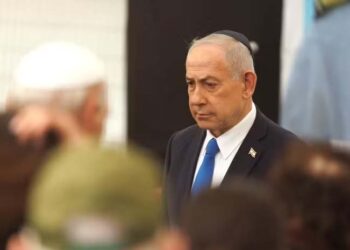

Report: Page3News
In mid-March 2026, amid escalated conflict in West Asia, the Embassy of Iran in New Delhi posted on its official X account (@Iran_in_India) details of a State Bank of India account (Account Name: Embassy of Iran; Account Number: 11084232535; IFS Code: SBIN0000691) for humanitarian donations. The appeal cited “repeated requests from charitable and benevolent members among our Indian brothers and sisters” to aid Iranian civilians affected by the ongoing war. It later advised cash donations or in-person delivery due to reported online transfer issues, while thanking donors and providing a WhatsApp number for receipts.
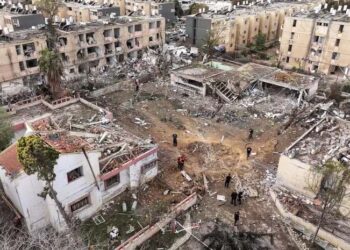
This followed US-Israeli strikes on Iran (including the reported assassination of Supreme Leader Ayatollah Ali Khamenei) and Iranian retaliatory barrages involving hundreds of ballistic missiles and over 1,700 drones targeting civilian targets, and government installations of Gulf states (UAE alone reported intercepting a large share of these).
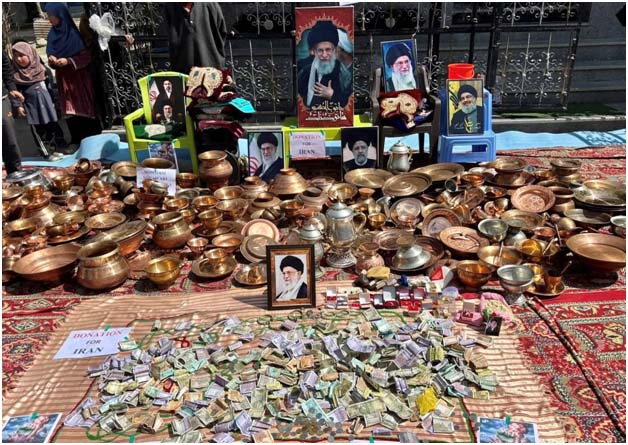
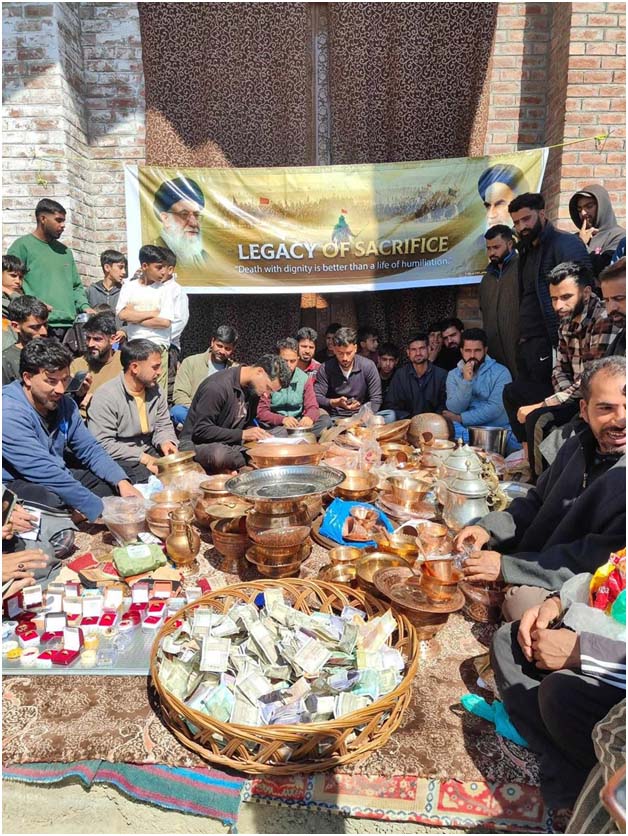
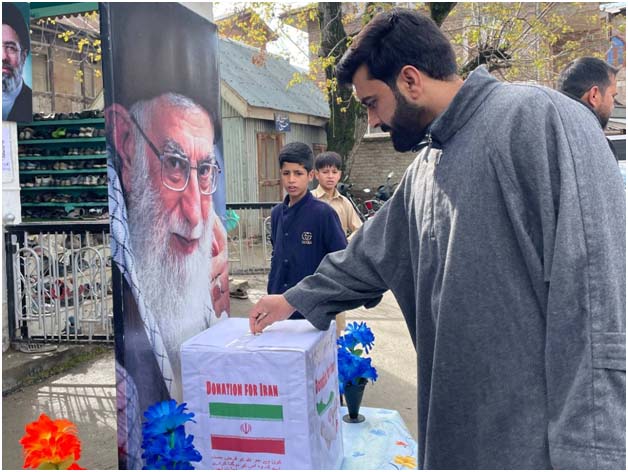
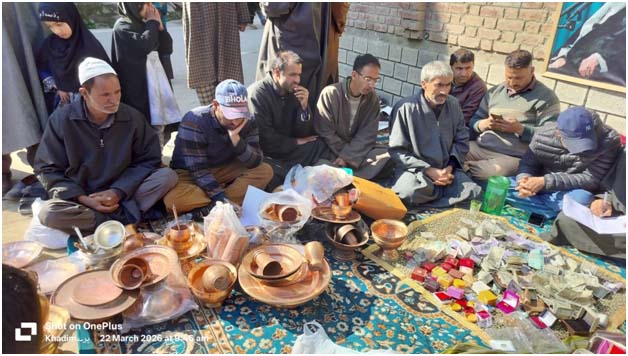
Scale and Nature of Collections in Indian KashmirShia communities in the Kashmir Valley particularly in Shia-concentrated districts like Budgam and Baramulla launched immediate post-Eid door-to-door collections. Reports and viral videos on social media shows cash, gold/silver jewelry (including women donating personal items), copper utensils, household goods, bicycles, goats, shawls, and children’s piggy banks/Eidi money being gathered at mosques and local centers. One viral case involved a Kashmiri man donating ₹1.5 lakh. Social media and local outlets described widespread participation, with some unverified claims of crores raised collectively.
The Iranian Embassy in India publicly thanked Indian (including Kashmiri) donors, stating the “kindness will never be forgotten.” Protests mourning Khamenei and supporting Iran also occurred in Srinagar, Budgam, and other areas, with Iranian flags and portraits prominent.
Why Prominent in Indian Kashmir Shias, Not Elsewhere?
Shia populations exist across the Gulf (Bahrain, Kuwait, UAE, Oman, Qatar, Saudi Arabia, Iraq), Afghanistan (Hazaras), Balochistan, and Europe. Yet no comparable public, large-scale donation drives from these groups were reported as of March 2026. Pakistan’s Shia community held protests and expressed anxiety over Iran’s crisis, but focused on solidarity rallies rather than mass collections for Tehran. Shias of the Gulf states face political constraints from governments aligned against Iran. Afghan Shias have historically been recipients of Iranian aid rather than donors. European/North American Shia networks sometimes fundraise for proxy-related causes (e.g., Pakistani groups linked to Hamas, Hezbollah), but not openly to Iran’s embassy in this instance.
Iran’s Finances: Does It “Need” Donations?
Iran generates substantial oil revenue (despite sanctions, via shadow sales to China and others), funds an advanced ballistic missile program, drone factories, and extensive proxy networks (e.g., Hezbollah estimated at hundreds of millions annually, plus support for Houthis, Iraqi militias, Hamas is also recipient of a huge funds from Tehran etc.). Its military budget has grown significantly. However, heavy sanctions, war damage, inflation, and prioritization of IRGC/proxy activities strain the civilian economy.
Critics note the irony: a state capable of large-scale missile/drone barrages and proxy funding seeks public donations. The amounts raised in Kashmir (even if crores of rupees) are symbolically significant but negligible compared to state revenues or military spending
Are Funds Really for Humanitarian Aid, or will contribute in future Conflict/Terror activities in India
Iran has still billion of dollar cash and online transactions being distributed globally. The ISI deliberately initiated this campaign to pave the way for fund distribution. These funds will probably go to the anti-India Jihadist forces, the sleeper cells of the ISI and IRGC.
Israel, USA and the Gulf states are at war against Iran and at this moment funds collection from Shia community of India’s would send a wrong message to the Gulf States and Israel. Pakistan and Iran wants to distort the image of India in the Gulf States and Israel over Shia support from Kashmir. India’s strong ties with Gulf States (remittances, trade, and energy) and Israel (defense, tech) make such campaigns diplomatically sensitive and fund collections for Iran would jeopardize India’s relations with her allies.
Selective Solidarity: The Baloch Contrast
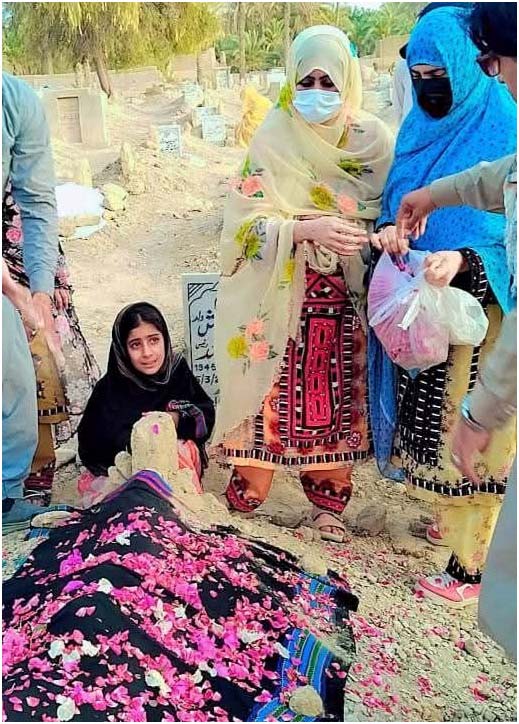
A pointed critique is the absence of similar Kashmir Shia mobilization for other Muslim causes. In September 2022, IRGC forces in Zahedan (Sistan-Baluchistan) killed dozens to over 100 (mostly Baloch Sunnis) in a single day during protests (“Bloody Friday”), with ongoing executions, displacements, and repression documented by human rights groups. Kashmir Shias mounted no notable protests or fundraisers. Similarly, Baloch civilians in Pakistan have faced decades of reported abuses (bombings, abductions, killings by security forces). No equivalent Kashmir campaigns emerged. This highlights sectarian prioritization: transnational Shia identity and allegiance to Iran’s leadership supersede broader human rights or pan-Muslim concerns when the perpetrator is Tehran or a close ally.