
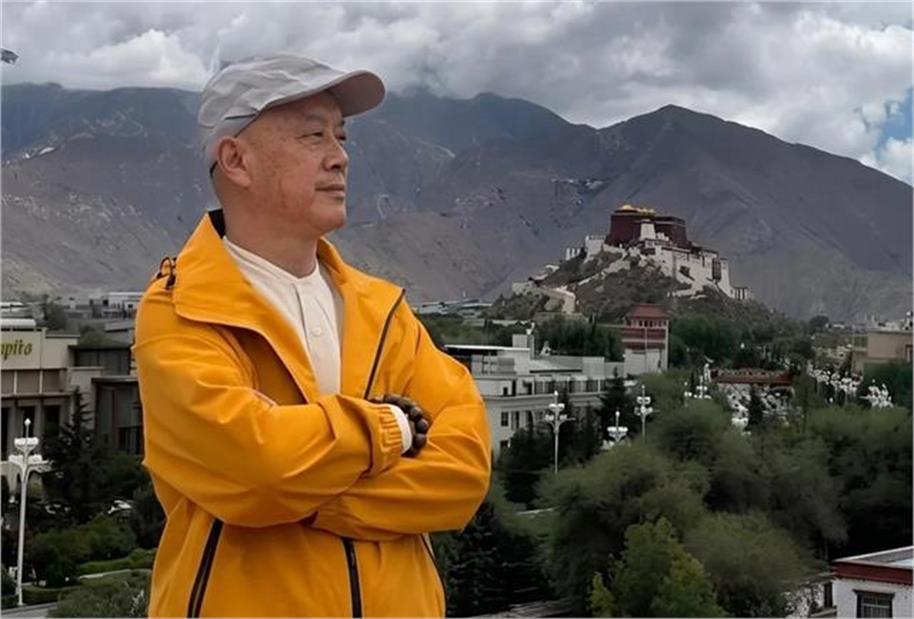
International Desk: Chinese authorities have detained Zhang Yi, a prominent Chinese democracy activist and former leader of the 1989 Tiananmen Square pro-democracy movement, in Lhasa, the capital of Tibet, after he allegedly showed a Tibetan monk a photograph of the Dalai Lama on his mobile phone.
According to reports, the incident occurred on 1 July, the same day China implemented a new law aimed at promoting ethnic unity and national integration. Zhang had travelled to Sera Monastery in Lhasa with his brother, Zhang Xuan, during a visit to the Tibetan capital.
Reports state that Zhang attempted to borrow a prayer mat at the monastery. Facing language barriers while communicating with a Tibetan monk, he allegedly displayed a photograph of the Dalai Lama on his mobile phone to explain himself. No further exchange reportedly took place.
Later that evening, Chinese police detained both brothers. While Zhang Xuan was released after providing a statement, officials informed the family that Zhang Yi would remain in 15 days of administrative detention.
However, on 18 July, authorities reportedly upgraded the case, placing Zhang under criminal detention on suspicion of incitement, thereby extending his custody. Officials have also asked the family to send money to cover his food and accommodation expenses during his detention.
Human rights organisations believe Zhang may have been targeted under China’s newly enacted ethnic unity law, which came into force on the day of his arrest. Chinese authorities have not disclosed the precise legal grounds for his detention or revealed where he is currently being held.
Zhang Yi has long been considered a politically sensitive figure by Beijing. He previously served time in prison for his role in the 1989 Tiananmen Square pro-democracy protests and has continued to advocate for civil liberties and democratic reforms since his release, remaining under close official scrutiny.
China enforces strict controls in Tibet over any public display or possession of images and materials associated with the Dalai Lama, who continues to be regarded as an extremely sensitive political figure by the Chinese government.