
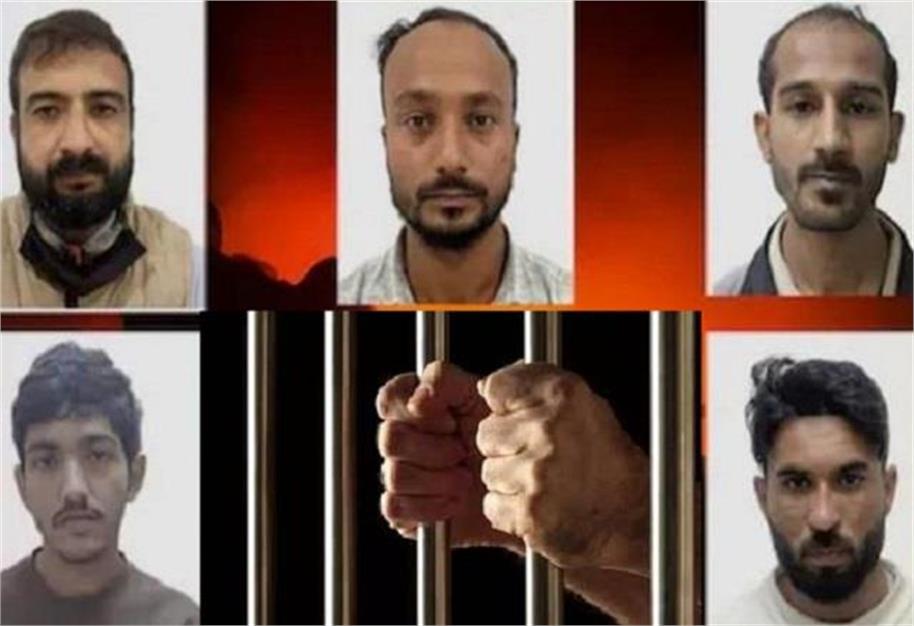
The arrest of five Pakistani nationals in Bahrain for filming and sharing videos linked to Iranian attacks has renewed scrutiny over Pakistan’s ability to monitor and support its citizens abroad.
Authorities in Bahrain detained the men after they allegedly recorded footage related to the ongoing conflict in West Asia and circulated the material on social media. Officials said the clips risked spreading fear among residents and undermining public order.
According to a report by the Pakistani newspaper Dawn, Bahrain police arrested six Asian nationals on 10 March, including five Pakistanis. The individuals are accused of recording scenes following Iranian strikes and sharing them online.
In a statement, the Bahrain Police Media Centre said the suspects had distributed videos that “glorify hostile acts and could harm the country’s security and public order.” Officials added that the content was capable of misleading the public and fuelling panic during an already tense regional situation.
The episode has once again drawn attention to the conduct of some overseas Pakistanis on digital platforms and the difficulties foreign governments face in curbing the spread of sensitive or inflammatory content during periods of geopolitical instability.
At the same time, legal experts say the case exposes weaknesses in Islamabad’s response when its citizens are detained abroad. Rights advocates argue that Pakistan’s authorities have often been slow to provide timely consular access and legal assistance to nationals facing charges in foreign jurisdictions.
Rimsha Asif, a lawyer and advocacy officer with Justice Project Pakistan, said the government should urgently ensure consular access, legal support and interpreters for the detainees. She also called for families to be informed and for the prisoners to be allowed communication with relatives.
Diplomatic sources say Pakistan’s foreign ministry must first determine the legal grounds under which the arrests were made before attempting to pursue any formal intervention with Bahraini authorities.
A further complication is the absence of a prisoner transfer agreement between Pakistan and Bahrain. If convicted, the detainees would be required to serve their sentences in Bahraini prisons rather than in Pakistan.
The case also highlights a broader concern surrounding Pakistani nationals detained abroad. Reports indicate that more than 23,000 Pakistanis are currently imprisoned in jails around the world, many struggling with unfamiliar legal systems and limited support from their government.
Analysts say the growing number underscores the need for stronger oversight of migrant communities, clearer guidance for citizens overseas and more robust diplomatic mechanisms to deal with legal crises involving Pakistani nationals.