
LONDON: Security analysts and exiled Baloch activists have sounded fresh alarm after Iran publicly offered Pakistan what it described as a diplomatic and financial “blank cheque” during high-level meetings in Rawalpindi — a gesture they claim could accelerate nuclear instability across the Middle East.
Iran’s National Security Council chief, Ali Larijani, met Pakistan’s army chief, Field Marshal Syed Asim Munir, praising Pakistan as “dear and honourable” and signalling Tehran’s desire for deeper strategic cooperation. Pakistan insists the talks centred on counterterrorism and border security, but critics argue the timing raises troubling questions.
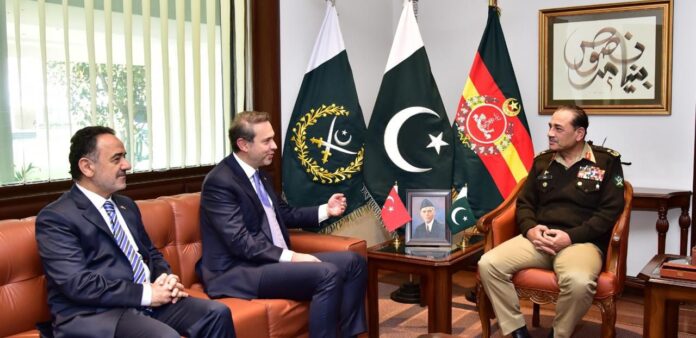
According to Baloch political groups and several independent analysts, the move may indicate a willingness by Pakistan to share sensitive expertise or technology with Iran, which has long faced suspicion over its nuclear intentions. These warnings intensified after Türkiye’s Energy Minister, Alparslan Bayraktar, also held talks with Munir in Rawalpindi. While both governments framed the discussions as energy-related, observers say Ankara may also be seeking access to nuclear capabilities through Pakistan.
Exiled Baloch activists warn that a Pakistan–Iran–Türkiye alignment could “reshape the nuclear landscape of the region,” with one analyst calling Tehran’s “blank cheque” an attempt to bankroll Islamabad for strategic favours. They argue Pakistan’s economic crisis and proliferation history make such fears difficult to dismiss.
Experts also point to renewed ISIS propaganda claiming the group could obtain a nuclear device from Pakistan — rhetoric widely rejected by intelligence agencies but enough to heighten concerns over regional militancy and nuclear security.
European security researchers warn that any expansion of Pakistan’s nuclear footprint to Iran or Türkiye could trigger a destabilising arms race. Western diplomats say UK and EU policymakers are now debating whether stronger pressure on Islamabad is needed.
While no government has confirmed the allegations, analysts agree on one point: Iran’s dramatic overture has revived global questions about Pakistan’s nuclear intentions — and the world may not be able to ignore them much longer.