
Beijing: In a move that raises fresh concerns over Pakistan’s growing dependence, China has once again stepped in with promises of continued economic and strategic backing—fueling fears of deepening financial entanglement rather than genuine recovery.
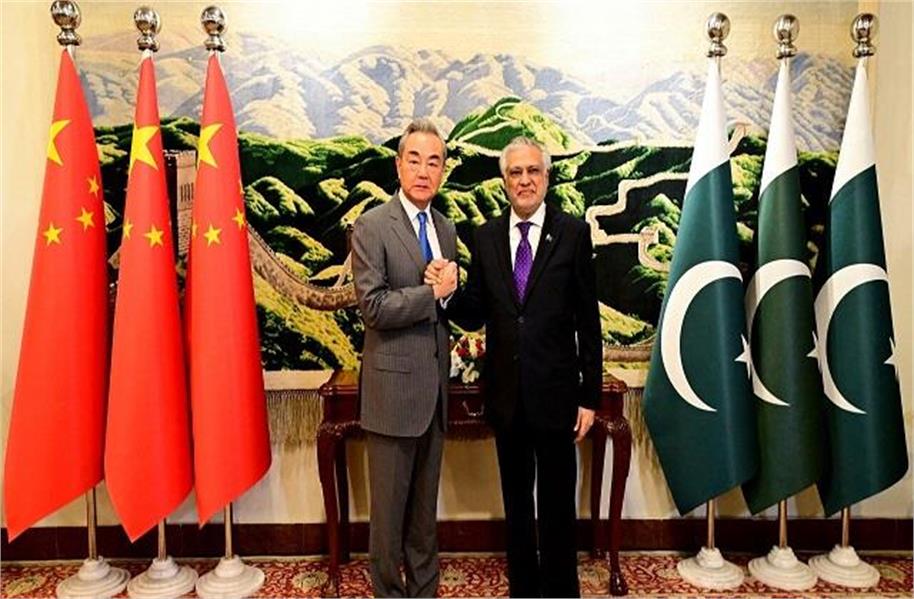
At a high-level meeting, Pakistan’s Prime Minister Shehbaz Sharif met Chinese Ambassador Jiang Zaidong to discuss the future of the controversial China-Pakistan Economic Corridor (CPEC), alongside broader investment and regional cooperation.
While Beijing projected confidence, critics argue the repeated assurances mask a harsher reality: Pakistan’s economy remains heavily reliant on Chinese loans and investments, many of which have been criticised globally for creating long-term debt burdens. The presence of senior officials, including Deputy Prime Minister and Foreign Minister Ishaq Dar, highlighted the urgency of Islamabad’s financial distress.
China’s praise for Pakistan’s so-called “economic stability” has also drawn scepticism, with analysts pointing out that structural weaknesses, rising inflation, and mounting external debt continue to plague the country. Far from stabilising the economy, Beijing’s financial lifeline is increasingly being viewed as a strategic lever to expand its influence in the region.
Prime Minister Sharif’s commitment to fast-track the second phase of CPEC—covering agriculture, industry, and infrastructure—has further intensified concerns that Pakistan may be doubling down on projects that have yet to deliver broad-based economic benefits. Several CPEC ventures have already faced delays, cost overruns, and questions over transparency.
China’s renewed push to expand trade and investment is being interpreted by some observers as an attempt to consolidate its economic foothold rather than foster equitable growth. The deepening engagement risks limiting Pakistan’s policy autonomy while tying its economic future more closely to Beijing’s strategic interests.
Even as both nations marked 75 years of diplomatic ties with promises of stronger cooperation, the optics of the meeting underscored a widening imbalance—where Pakistan appears increasingly dependent, and China increasingly dominant.
Discussions on regional issues, including tensions in West Asia, saw Pakistan projecting a “constructive role.” However, critics argue that Islamabad’s credibility on the global stage remains under scrutiny, with its foreign policy often overshadowed by economic vulnerability and strategic reliance on Beijing.
As Pakistan navigates one of its most severe economic crises in recent years, China’s “support” is being viewed less as a rescue and more as a reinforcement of a complex—and potentially costly—partnership.