
By Chandan Singh | Page 3 News Worldwide
Balochistan’s patriotic community has expressed deep disappointment with the portrayal of their land and people in the recently released film Dhurandar. The movie has sparked controversy for its negative depiction of the relationship between Balochistan and India, focusing more on criminals than on the true spirit of Baloch resistance and its ongoing fight for freedom.
Baloch nationalist groups have strongly criticized the film for misrepresenting the values and struggles of the Baloch people. A key point of contention is the way the film presents the Baloch as being aligned with gangsters, which they argue undermines the genuine political and cultural aspirations of the people of Balochistan.
Balochistan Is Not Defined by Gangsters
Critics have been quick to point out that Balochistan is not represented by “gangsters,” but by individuals who are fighting for their freedom and autonomy. They firmly reject the movie’s suggestion that Baloch people celebrated the 26/11 Mumbai terror attacks, a tragedy that affected both India and Balochistan. “We too are victims of Pakistan-sponsored terrorism,” said a Baloch nationalist leader. “Our struggle is one for justice, not violence.”
The movie also falsely portrays Baloch freedom fighters as being involved with anti-India elements, including selling weapons to them. According to critics, this portrayal is not only inaccurate but also deeply insulting. “Baloch freedom fighters are always in shortage of weapons,” said one critic. “If we had the resources, we would have defeated Pakistan’s occupying forces long ago.”
Baloch People Not Motivated by Religion
Another major issue with Dhurandar is its portrayal of Baloch freedom fighters as religiously motivated, chanting Islamic slogans like “Allah O Akbar,” and collaborating with Pakistan’s intelligence agency, the ISI, to harm Indian interests. Baloch activists have strongly rejected this narrative, emphasizing that their movement is secular and driven by a desire for freedom, not religious extremism.
“Baloch are not religiously motivated,” one activist stated. “We do not chant Islamic slogans or work with ISI. Our fight is against an oppressive regime, not against a neighboring country.”
Economic Realities Misrepresented
The movie’s portrayal of Balochistan’s economic situation also raised concerns. The film suggests that Baloch gangsters are involved in printing fake currency, an accusation that critics argue oversimplifies the complex economic challenges faced by the region. “If Baloch gangsters had the money to print fake currency, Balochistan wouldn’t be so impoverished,” said a regional economist. “The reality is that it is Pakistan and its intelligence agencies that fuel the illegal activities such as drug smuggling and weapons trafficking in the region.”
Betrayal Is Not in the Baloch Dictionary
Perhaps the most controversial line in the film comes from a statement by a police officer, SP Chaudhary Aslam: “Magar Mach Pe Bhrosa Kar Sakte Hain, Baloch Pe Nahi.” This, critics say, is completely at odds with the core values of Baloch culture, which prides itself on loyalty and honor. “It is well-known in Baloch culture that even a glass of water, when given in good faith, is repaid with a lifetime of loyalty,” one cultural expert said. “The idea that Baloch people betray their allies is utterly false.”
A Missed Opportunity for Cultural Representation
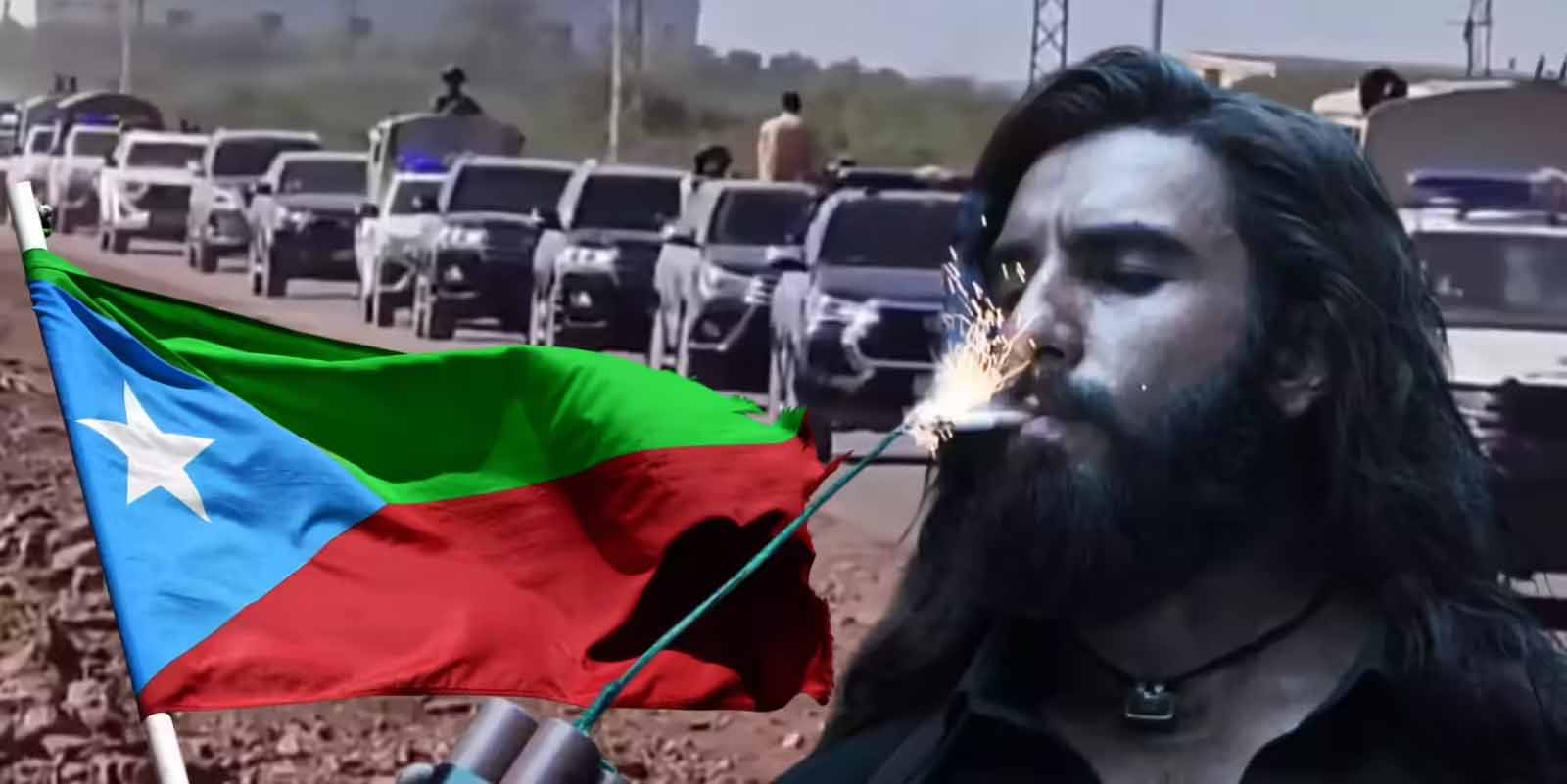
Despite these criticisms, there are some positive aspects of Dhurandar that cannot be ignored. The film did make an attempt to highlight the oppression and injustices faced by the people of Balochistan under Pakistani rule. Akshaye Khanna’s portrayal of a Baloch character, dressed in traditional Balochi attire, was widely praised for its authenticity and respect for the region’s culture.
The cast, overall, received commendations for their performances, with many praising the actors’ dedication to portraying Balochistan’s struggle in a more nuanced light.
A Call for a More Authentic Story
However, the overwhelming sentiment is that the movie does not do justice to the true history and aspirations of the Baloch people. Activists are now calling for a new film that will accurately represent the Baloch struggle, their friendship with neighboring nations like India, and the longstanding bonds of loyalty and trust that define Baloch culture.
“There is a need for a film that shows the true spirit of Balochistan—our loyalty, our friendship, and our relentless fight for freedom against a common enemy, Pakistan,” said a local filmmaker. “It’s time for the world to understand the real Balochistan and its people.”
In conclusion, while Dhurandar succeeded in some respects—especially in highlighting the plight of the Baloch people—it ultimately failed to capture the true essence of their struggle for independence and their commitment to justice. As one Baloch activist put it, “The fight for freedom is not a story of gangsters, but of patriots who will never betray their cause.”