
By Chandan Singh | Page 3 News Worldwide | New Delhi
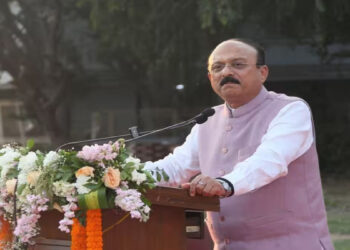
New Delhi: Delhi Higher Education Minister Shri Ashish Sood on Saturday launched the Seva-First Innovation Challenge 2026 at Delhi Technological University (DTU), unveiling a ₹2-crore prize pool, structured mentorship and government handholding to help young innovators turn real-world problems into practical, technology-driven solutions.
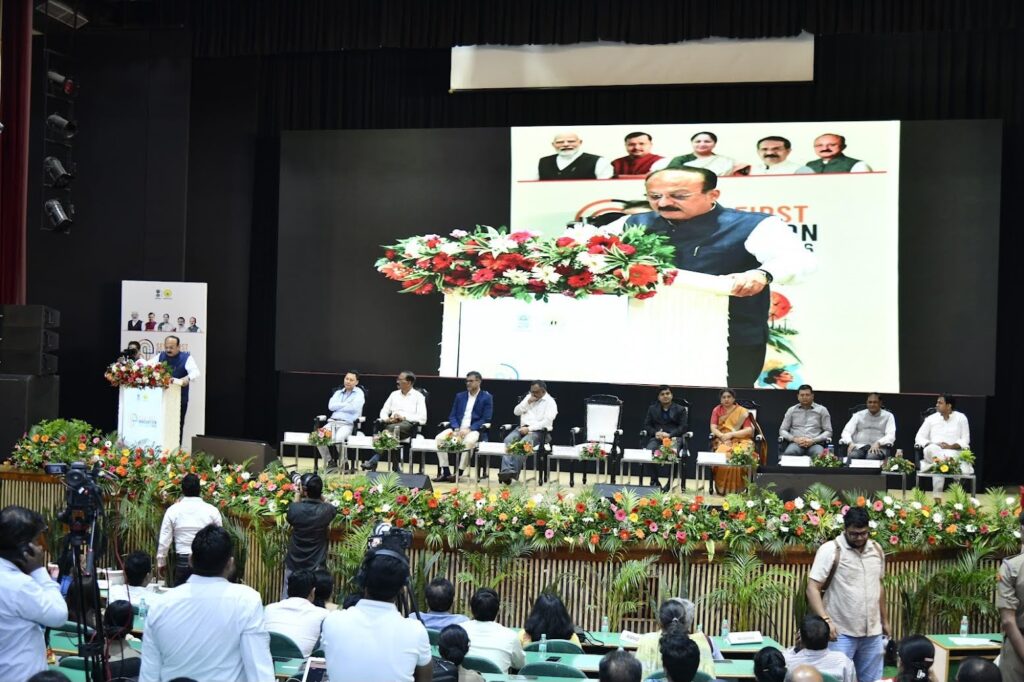
Addressing participants at DTU, Sood said the initiative was built around a simple idea — “serve society by finding solutions to real-world problems.” The 100-day challenge will encourage students to move beyond classrooms and identify challenges in areas including agriculture, waste management, education and rural development.
With DTU as the anchor university, the initiative will cover the northern region, including Haryana, Punjab, Jammu & Kashmir, Himachal Pradesh, Uttarakhand, Chandigarh and Ladakh. Students from universities, industries, startups, schools, ITIs and polytechnics will participate by identifying challenges, developing innovative ideas and prototypes, validating them and working towards practical implementation.
Sood said the programme was not merely aimed at creating a handful of startups but at strengthening Delhi’s wider innovation and entrepreneurship ecosystem. The Delhi Government will provide necessary handholding, while promising ideas will receive mentorship and, where required, assistance in accessing funding through the startup ecosystem and government policies.
Highlighting the Delhi Startup Policy, Sood said its target is to create 10,000 startups and four lakh jobs in Delhi. He said the Seva-First Innovation Challenge would provide young people with an opportunity to transform innovative ideas into viable solutions and enterprises with social impact.
‘Viksit Bharat’ Through People’s Participation
Drawing inspiration from Prime Minister Narendra Modi’s 25-year journey of people-first and technology-enabled governance, Sood said the vision of a Viksit Bharat by 2047 could not remain merely a government initiative and needed to become a people’s movement.
He described Modi as a “Pradhan Sevak” and said young people had been placed at the centre of the nation-building mission. Sood also highlighted India’s transformation from having fewer than 500 registered startups before 2014 to becoming the world’s third-largest startup ecosystem, saying the country’s youth were increasingly looking beyond employment towards entrepreneurship and job creation.
Focus on Villages and Agriculture
Sood placed particular emphasis on rural innovation and agricultural challenges, praising DTU’s plans to send engineering students into villages from the 2027–28 academic year to identify local problems and develop practical technological solutions.
“If a farmer around you is struggling, don’t just notice it; solve it,” Sood said, stressing that addressing agricultural and clean-energy challenges through practical innovation represented the essence of Seva.
The launch also featured the announcement of the Rural Technology and Community Engagement Programme (RTCEP) on Engineering, Entrepreneurship and Social Transformation for Rural India. The programme will be offered by DTU from the next academic session and will extend engineering and innovation support to rural communities.
Startup Leaders to Mentor Young Innovators
The challenge will also provide participants access to prominent entrepreneurs and startup leaders. The jury and mentorship ecosystem includes Viraj Bahl of Veeba, Akash Gupta of Zypp, Swati Bhargava of CashKaro and Puneet Gupta of AstroTalk.
Concluding the launch, Sood urged students and professors to replace cynicism with accountability and action. He said patriotism could also be demonstrated on university campuses, in neighbourhoods and within communities by actively addressing real problems and contributing to society.
The ₹2-crore prize pool, mentorship network and government support are intended to give young innovators a platform to develop ideas into practical solutions with wider social impact.