
Mark Carney India visit begins February 26, with meetings in Mumbai and New Delhi, including talks with PM Narendra Modi on trade and defence.
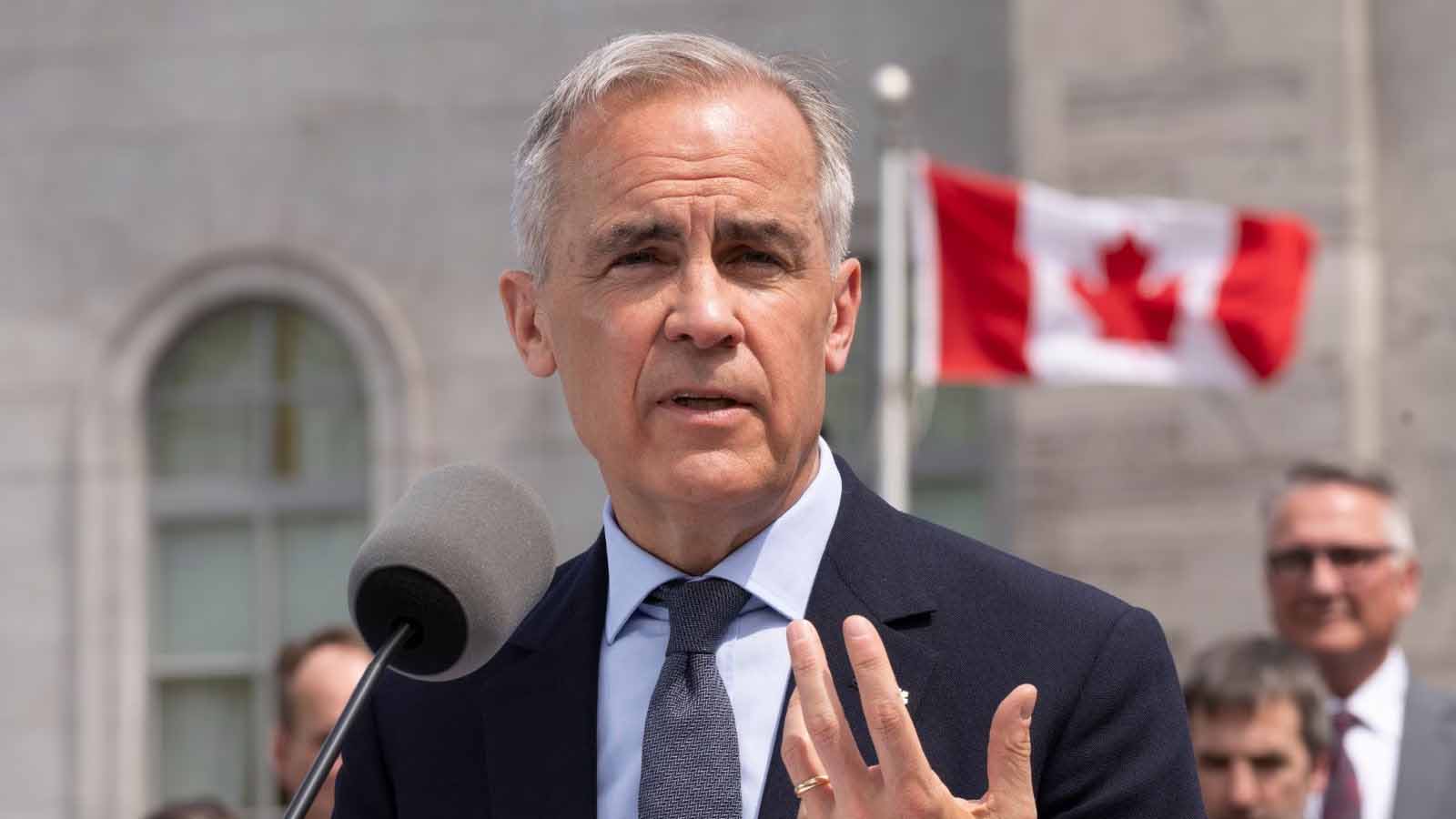
Canada Prime Minister Mark Carney has announced that he will travel to India, Australia and Japan from February 26 to March 7, the Canadian government has said.
In a press release, the Canadian government said that PM Carney will first visit Mumbai and then head to New Delhi where he will meet Prime Minister Narendra Modi.
The Canadian government added that PM Carney’s visit will have focus on businesses across trade, energy, technology, and defence.
Apart from PM Modi, Canadian PM Carney is set to meet Australian Prime Minister Anthony Albanese and Japanese Prime Minister Sanae Takaichi during his visits to the three countries, the government statement added.
“The leaders will focus on elevating and expanding the Canada-India relationship, with ambitious new partnerships in trade, energy, technology and artificial intelligence (AI), talent and culture, and defence,” the press release stated.
WHAT CANADA PM CARNEY HAS SAID?
Carney’s government further said that the Liberal leader will meet business leaders to identify business opportunities in Canada and create new partnerships between businesses in both India and Canada.
PM Carney, in a statement said, “In a more uncertain world, Canada is focused on what we can control. We are diversifying our trade and attracting massive new investment to create new opportunities for our workers and businesses. We are forging new partnerships abroad to create greater certainty, security and prosperity at home.”
INDIA-CANADA TRADE FACTS
Canada’s seventh largest goods and services trading partner was India in 2024, wherein the two way trade between the two countries was nearly $31 billion, the Canadian government informed.
During the 2025 G20 Leader’s Summit, New Delhi and Ottawa agreed to formally launch negotiations for an ambitious Comprehensive Economic Partnership Agreement (CEPA) which aims to double the two way trade between the two nations to $70 billion by 2030.