
By Mir Yar Baloch
Leaders from the self-declared Republic of Balochistan have issued an explosive appeal to Washington, urging the Trump Administration to place Pakistan at the highest tier of its terrorism-watch lists—citing decades of allegations linking Islamabad’s powerful intelligence agencies to extremist networks.
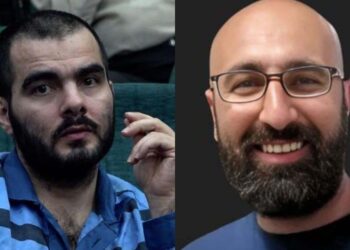
The dramatic call comes as a newly circulated video shows cleric Mufti Abdul Raheem—described by Baloch activists as an “ISI mouthpiece”—claiming he held the personal contact number of senior Al-Qaeda figure Abu Hafs al-Mauritani and met Osama bin Laden multiple times in Afghanistan prior to the 9/11 attacks.
Watch Video Here:
Call for U.S. Reassessment
In a statement shared across social media, Baloch representatives urged the White House, the FBI, the CIA, and other U.S. institutions to “urgently reassess Pakistan’s role in global security.”
They argue that numerous analysts, former intelligence officials, and Western security experts have long warned that elements within Pakistan’s Inter-Services Intelligence (ISI) have maintained deep links with militant groups, including Al-Qaeda and the Taliban.
Longstanding Allegations
For years, Pakistan has faced accusations—strongly denied by Islamabad—of offering sanctuary or passive support to extremist factions. The most glaring example, critics argue, was the discovery of Osama bin Laden living in Abbottabad, just a short distance from Pakistan’s military academy.
Baloch leaders say the mystery surrounding how the world’s most wanted terrorist lived undetected for years has never been satisfactorily resolved.
Public statements from key Pakistani figures have further inflamed global suspicion.
- Former President and Army Chief Pervez Musharraf once referred to figures such as Hafiz Saeed and Osama bin Laden as “heroes of Pakistan.”
- Former Prime Minister Imran Khan notoriously described bin Laden as a “martyr,” a remark that drew international condemnation.
Former ISI Chiefs Add Fuel to the Fire
Even retired ISI officials have made eyebrow-raising comments:
- Gen. Hamid Gul, in a televised debate, said history would credit the ISI with defeating both the Soviet Union and—“indirectly”—the United States in Afghanistan.
- Former ISI director Asad Durrani told Al Jazeera that Pakistan had “fooled” the U.S. during the Afghanistan war, allegedly taking billions in aid while maintaining contacts with the Taliban and other militant groups.
Such statements, Baloch representatives argue, paint a troubling picture that U.S. policymakers can no longer ignore.
Appeal to Washington
The Balochistan leadership has tagged senior American officials and agencies—including @realDonaldTrump, @FBI, @CIA, @StateDept_NEA, @POTUS, and @WhiteHouse—calling on them to incorporate these allegations into future counterterror strategies.
They insist that with new evidence publicly emerging, the time has come for a full and uncompromising reassessment of Pakistan’s global security role.