
London / Middle East: The Republic of Balochistan has issued a direct appeal to Gulf leaders, calling for support in what it describes as the struggle for the independence of “Iranian-occupied Balochistan” amid escalating tensions between Iran and several Gulf states.
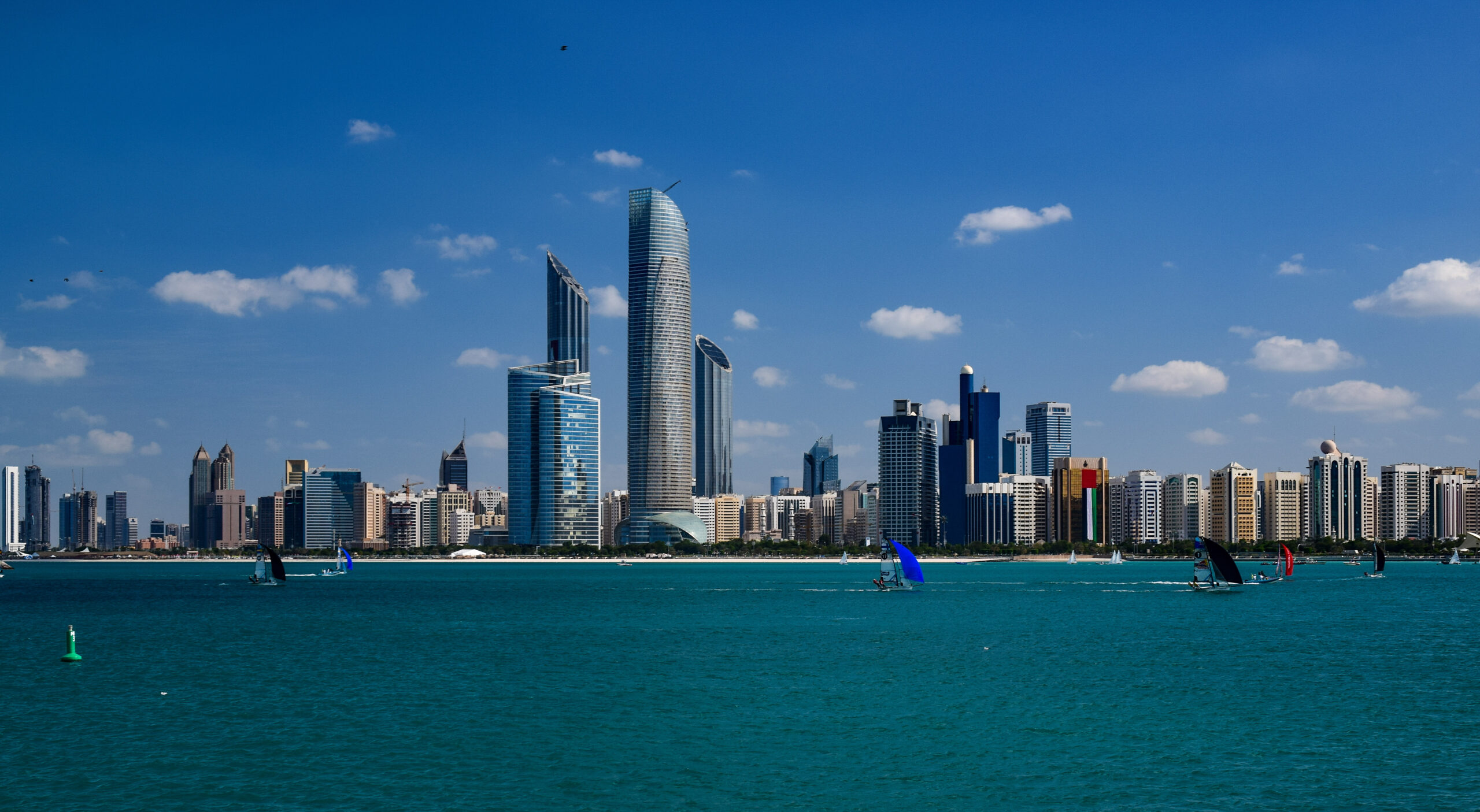
In a message addressed to Mohamed bin Zayed Al Nahyan, President of the United Arab Emirates and Ruler of Abu Dhabi, Baloch representatives urged Arab leadership to take a more assertive stance against Tehran’s regional policies and alleged proxy conflicts.
The letter argues that Gulf nations facing security threats from Iran should recognise the independence and security of Balochistan and consider declaring the maritime and airspace of Balochistan, Al-Ahwaz and Kurdistan a no-fly zone for Iranian forces. It also calls for the provision of anti-aircraft and defence systems to Baloch, Kurdish and Arab groups.
According to the statement, Gulf countries could convene an emergency summit involving the leadership of Balochistan, Kurdistan and Al-Ahwaz to organise an international conference and create a regional alliance directed against Iran and Pakistan. The document further proposes opening diplomatic missions for these movements worldwide.
The appeal also links the question of Balochistan’s independence to wider geopolitical interests. It states that such a development would align with the strategic interests of the United States, citing concerns about China’s expanding presence in key ports such as Gwadar Port and Chabahar Port, which lie close to major maritime trade routes.
The message also suggests that an independent Balochistan would benefit India by providing potential access and basing opportunities through Gwadar and Chabahar, thereby strengthening the security of Indian maritime trade routes in the Arabian Sea.
In addition, the statement claims that if Balochistan and Sindh were to separate from Pakistan, the remaining territory centred on Punjab would become landlocked and lose direct access to the sea, significantly altering the region’s naval balance.
Baloch leaders warned Gulf states that delays in forming a united front could leave countries such as the UAE, Saudi Arabia and others vulnerable to potential Iranian missile attacks that could damage regional economies, security and infrastructure.
The message concludes by asserting that Balochistan, Kurdistan and Al-Ahwaz could become strategic partners for Gulf nations and that the opportunity to reshape regional alliances should not be missed.