
Open letter from Mir Yar Baloch seeks direct engagement with Starlink over licensing and connectivity across the disputed territory
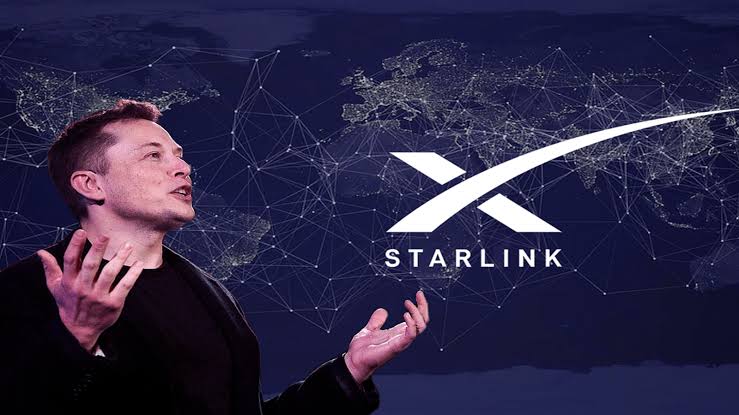
New York: The Republic of Balochistan has appealed to SpaceX chief executive Elon Musk to enable Starlink satellite internet services across Balochistan, alleging prolonged internet restrictions and an information blackout that have affected education, healthcare, business and communication with the outside world.
In an open letter dated 9 October 2026, signed by Mir Yar Baloch on behalf of what the letter describes as the Republic of Balochistan, the group urged Starlink to engage directly with Baloch leadership over licensing, regulatory arrangements and the practical requirements for launching services in the territory.
The letter, addressed to Musk at SpaceX, said satellite internet could provide an alternative means of communication in areas where conventional telecommunications infrastructure was unavailable, unreliable or restricted. It also expressed the group’s willingness to grant Starlink a licence to operate across the territory, describing the proposed coverage as extending from Gwadar to Chabahar.
The appeal centres on allegations that internet restrictions imposed by Pakistani military and intelligence agencies have isolated Baloch communities from international information networks. The letter claims that such restrictions have persisted for approximately two decades in parts of Balochistan, disrupting online education, access to medical research, commercial transactions and communication between families.
It further alleges that journalists and human rights advocates face difficulties documenting events in the region, with photographs, videos and reports about military operations and alleged abuses sometimes taking months to reach the outside world.
Allegations of restrictions on students and activists
The letter raises concerns about the alleged militarisation of educational institutions, claiming that security personnel are present at universities and medical facilities and that student hostels have faced raids. It also alleges that books have been confiscated and students detained.
On political freedoms, the appeal refers to Baloch Yakjehti Committee activists Gul Zadi Baloch, Dr Mahrang Baloch and Sibghatullah Shah Ji Baloch, claiming they received life sentences following proceedings the letter describes as faceless trials.
These allegations are presented in the appeal and have not been independently verified for this report.
Starlink urged to address connectivity concerns
The letter argues that internet access is essential not only for technological development but also for education, healthcare, journalism and the ability of communities to communicate internationally. It describes social media as one of the few remaining channels through which Baloch people can share information and draw attention to their concerns.
It also claims that accounts associated with Baloch activists and representatives have faced mass reporting, restrictions and suspensions on social media platforms.
Addressing Musk, the appeal calls for urgent consideration of Starlink deployment and direct discussions with Baloch representatives on the arrangements required to provide the service.
The letter also challenges Islamabad’s authority over Balochistan’s internal affairs and calls for Pakistan to refrain from involvement in the territory’s defence, security, trade, diplomatic relations and political matters.
The appeal represents the position of its signatories. It does not establish that Starlink has agreed to provide services, that a licence has been approved or that a deployment decision has been made.
Source: Open letter issued by the Republic of Balochistan and signed by Mir Yar Baloch, dated 9 October 2026; Truth Social post.