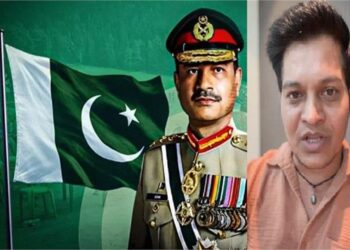

In a recent interview widely circulated on social media, Baloch historian Dr. Farooq Baloch emphasized what he described as the centuries-long and often overlooked role of Baloch women in the cultural, political and defensive history of Balochistan. The conversation, published by Gidaan TV, has drawn renewed attention to the region’s historical narratives and contemporary political discourse.
Dr. Baloch argued that Baloch women have been central figures in the preservation of Baloch identity, contributing not only to the defense of their communities but also to literature, medicine and early forms of state organization. “When Europe was in the dark age, Baloch females were poets, authors and doctors,” he asserted, underscoring what he sees as a longstanding tradition of intellectual and civic engagement among women in Baloch society.
The historian also reiterated a common theme within Baloch nationalist circles: the portrayal of the Baloch as a people who “never surrendered” throughout their history. The interview was shared online by several prominent activists, including Hyrbyair Marri, a leader associated with the Free Balochistan Movement.
A short video clip of the interview, posted on X, has generated discussion among supporters of the movement and observers of South Asian politics. It comes amid ongoing debates over cultural rights, political autonomy and historical representation in the region.
Hashtags such as #History, #FreeBalochistanMovement and #BalochWomen accompanied the circulation of the clip, reflecting growing attempts by activists to frame Baloch historical narratives within global conversations around identity, autonomy and women’s contributions to political life.