
By Chandan Singh | Page 3 News Worldwide | New Delhi
New Delhi: Delhi has made significant progress in its drive to clear the towering garbage mountains at Okhla, Bhalswa and Ghazipur, with around 2.16 crore metric tonnes of waste processed and 100 acres of land reclaimed, according to the Delhi Government.
The initiative, being implemented under Chief Minister Rekha Gupta’s scientific roadmap and time-bound approach, aims not only to eliminate existing landfill mountains but also to prevent fresh accumulation of waste in the national capital.
Of the total waste processed, around 70 lakh metric tonnes has been cleared at Okhla, reclaiming 35 acres. At Bhalswa, approximately 102 lakh metric tonnes has been processed and 45 acres reclaimed, while Ghazipur has seen around 44 lakh metric tonnes processed, reclaiming another 20 acres.
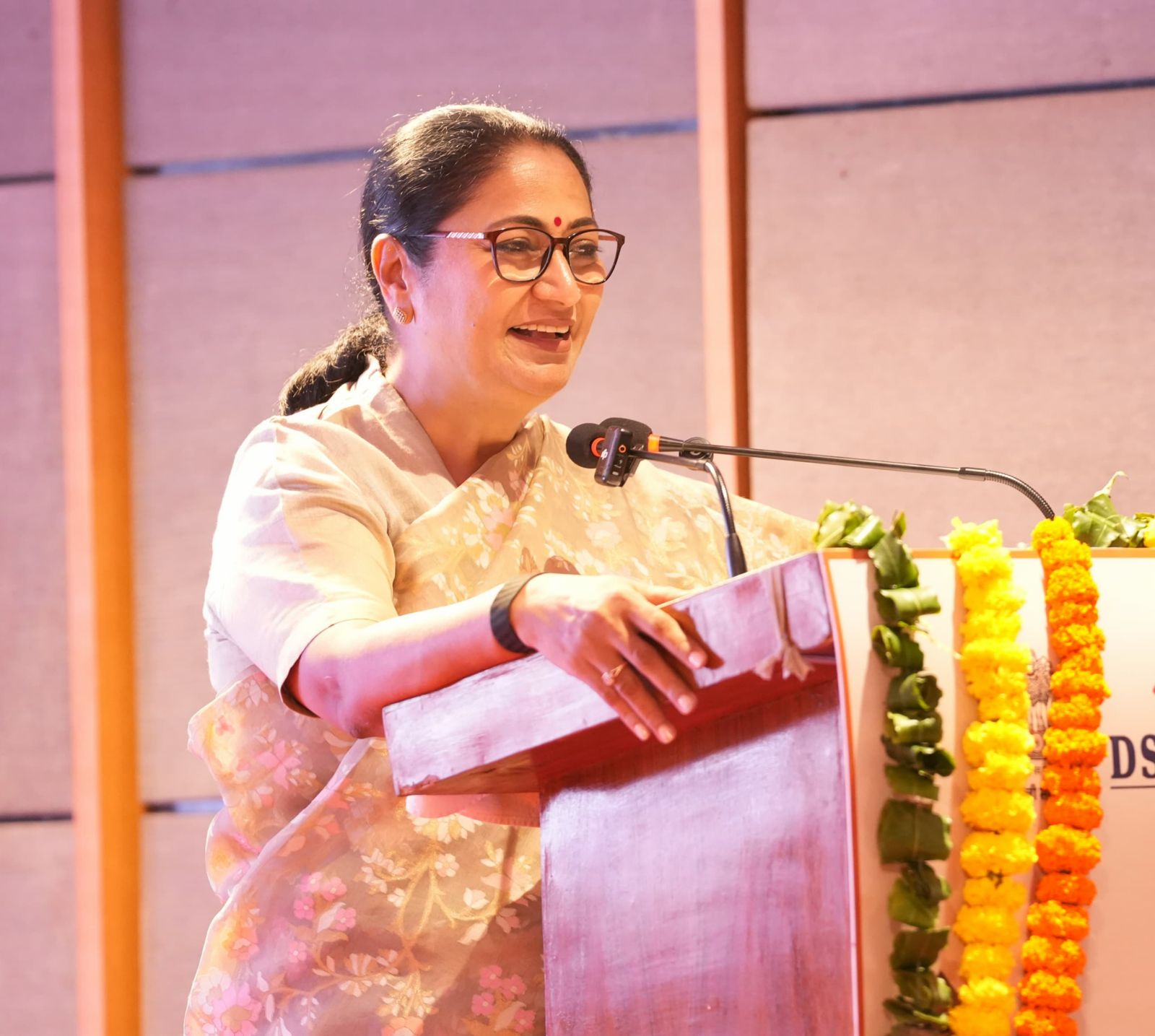
Chief Minister Rekha Gupta said the garbage mountains had remained a longstanding problem for Delhi residents and asserted that her government was working to fulfil its commitment through scientific waste management and a time-bound strategy.
She said the impact was increasingly visible to people living near and travelling through the landfill areas, with improved surroundings and better prospects for a healthier living environment.
The government is also putting recovered inert material to productive use. At Ghazipur, processed material has been used for filling low-lying areas and preparing road bases, linking landfill remediation with infrastructure requirements.
The Chief Minister said Delhi was simultaneously preparing for future waste generation, with plans for four new Waste-to-Energy plants. Once operational, these facilities are expected to strengthen the city’s capacity to process the waste generated daily and prevent the emergence of new garbage mountains.
The Delhi Government said its broader objective is to establish a system in which waste generated each day is processed on a daily basis, alongside scientific management of different categories of waste.
Calling the progress a significant transformation, Gupta said the reclamation of 100 acres from the landfill sites demonstrated how government priorities could change through public mandate and translate into visible work on the ground.