
By Chandan Singh | Page 3 News Worldwide | New Delhi
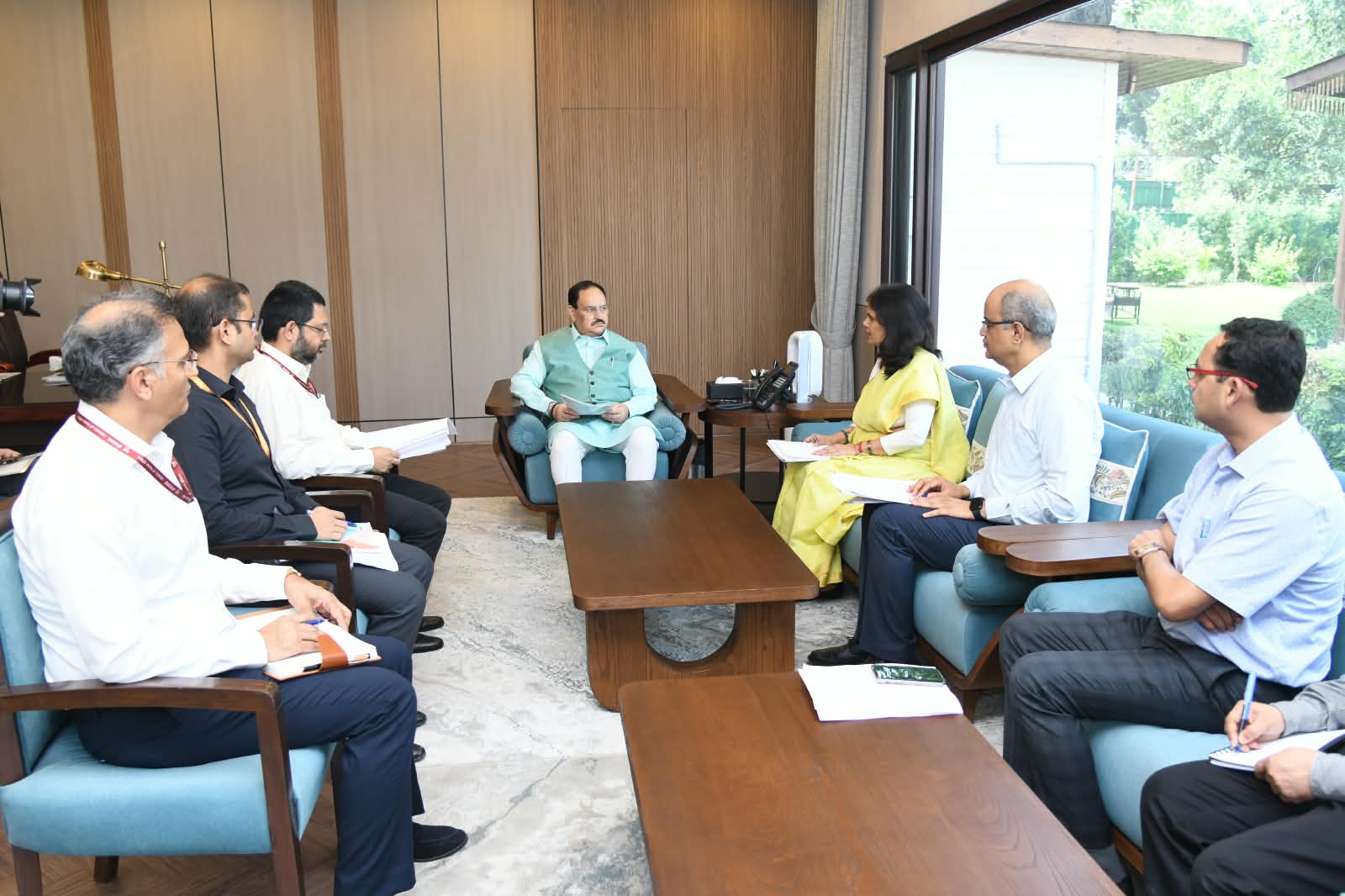
NEW DELHI: Delhi is fully prepared to tackle seasonal and vector-borne diseases, with no shortage of hospital beds, doctors, medicines or essential medical equipment, Delhi Health Minister Dr. Pankaj Kumar Singh said after a high-level health review chaired by Union Health and Family Welfare Minister J.P. Nadda.
The meeting reviewed Delhi’s preparedness for influenza, dengue and malaria, along with hospital capacity, disease surveillance and treatment arrangements.
“Delhi is fully prepared to deal with the present health situation. There is no shortage of beds, doctors, medicines or essential medical equipment, and every patient will receive timely and appropriate treatment,” Dr. Singh said.
H1N1 remains predominant
Seasonal influenza remained the key focus of the review. Delhi has reported 2,392 influenza-A cases in 2026, including 1,777 H1N1 cases. The figures also include 37 H1 cases, 138 H3 cases and 440 other cases.
The Delhi State Health Mission is maintaining close surveillance through the Integrated Disease Surveillance Programme, with daily monitoring of influenza-like illness (ILI), severe acute respiratory infections (SARI) and influenza cases through the IDSP-IHIP portal.
Advisories have been issued to district health authorities and hospitals for screening, reporting and monitoring. Technical guidelines covering patient categorisation, treatment protocols, ventilatory management, masks and home care have also been circulated.
Healthcare workers are being sensitised and trained on symptoms and follow-up protocols, while daily reviews with Chief District Medical Officers are continuing.
Dengue, malaria under watch
Delhi has reported 246 dengue cases and 80 malaria cases, with zero deaths from either disease. Chikungunya cases stood at 19, also with zero deaths.
As part of vector-control efforts, local bodies have conducted 2.38 crore house visits, sprayed 3.20 lakh houses, identified 91,217 mosquito-positive houses, issued 74,591 legal notices and initiated 6,724 prosecutions.
Delhi has 35 designated Sentinel Surveillance Hospitals, along with two Apex Referral Laboratories at AIIMS and NCDC and a Malaria Reference Laboratory at MAMC.
Hospitals have been directed to maintain mosquito-free premises, ensure timely reporting and keep adequate diagnostic kits, medicines, IV fluids, blood products and dedicated beds wherever required.
Delhi’s malaria Annual Parasite Incidence remains below one, placing the city in the pre-elimination phase. The “Test, Track and Treat” strategy is being implemented under the 2025–27 malaria elimination plan.
‘No need for panic’
Dr. Singh said the Delhi Government was continuously monitoring patient numbers and strengthening hospital arrangements according to requirements.
“We have shared the complete preparedness report of Delhi with the Hon’ble Union Health Minister Shri J.P. Nadda Ji, including arrangements for beds, doctors, medicines and other essential facilities,” he said, adding that the Centre had assured Delhi of all necessary support.
The minister urged citizens to maintain respiratory hygiene, wear masks in crowded places, practise hand hygiene, avoid close contact with people suffering from respiratory illnesses and consult doctors instead of self-medicating.
“Public health preparedness is a continuous process. Our priority is early detection, timely treatment and continuous monitoring. Delhi’s hospitals and health machinery are ready, and the Government will take every necessary step to ensure the safety and health of its citizens,” Dr. Singh said.