
Dhaka: Bangladesh has sought to reassure India that its renewed push to resolve the long-running Teesta water-sharing dispute, including a China-backed river restoration project, is not aimed at damaging bilateral relations.
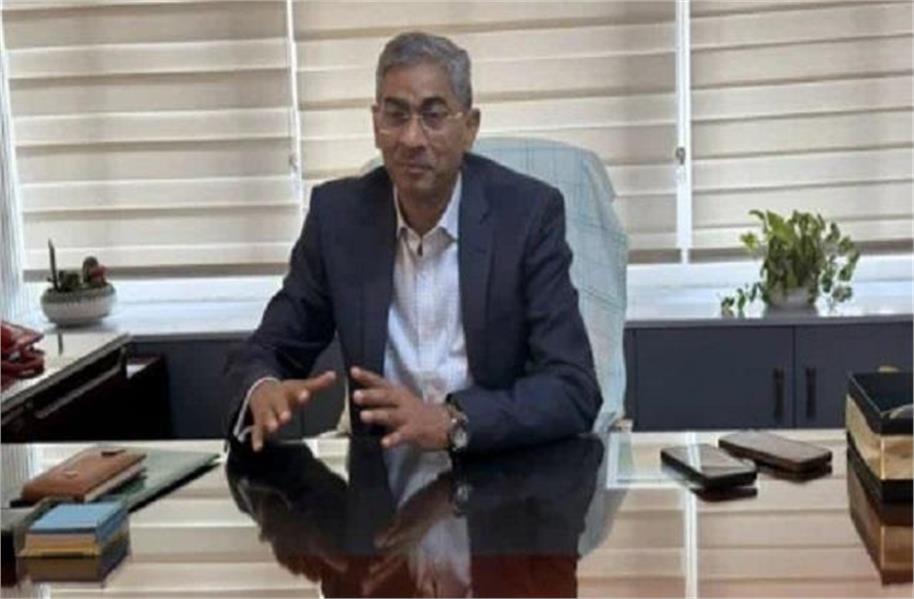
Water Resources Minister Shahiduddin Chowdhury Annie said Bangladesh considers India a friendly neighbour and does not want disagreements over the Teesta to undermine the relationship. He urged New Delhi to recognise Dhaka’s interests while pursuing its own priorities.
“Just as they have their own interests, we have our interests too,” Annie said at a seminar in Dhaka organised by TBSNews.net. “A friend should protect the interests of another friend. We never want our friendly relations with them to deteriorate.”
His comments came as Bangladesh intensifies efforts to address the Teesta’s long-standing problems, including seasonal flooding, river erosion and water shortages in the dry months. Dhaka is also considering the Teesta River Comprehensive Management and Restoration Project with Chinese cooperation.
Annie said the government had held a series of seminars and consultations following the February elections to obtain expert views on the proposed project. A detailed study based on those recommendations, he said, would help the government determine the next steps.
The minister described the project as a major challenge, particularly for residents of five to six northern districts who have endured river erosion and other difficulties for years.
“If we fail to implement it, the losses and difficulties faced by families in these areas will continue to increase,” Annie said, stressing the need to overcome the challenge.
Teesta Dispute Decades Old
The Teesta has remained one of the most sensitive issues in India-Bangladesh water cooperation for decades. Originating in the Himalayas, the river flows through Sikkim and West Bengal before entering Bangladesh and eventually joining the Jamuna River, known as the Brahmaputra.
For northern Bangladesh, the Teesta is vital to agriculture and livelihoods. In West Bengal, its waters are important for irrigation and power generation, with several hydropower projects located in its upper catchment.
India and Bangladesh began negotiations over Teesta water sharing in the 1980s. An interim arrangement reached in 1983 proposed 39 per cent of the water for India and 36 per cent for Bangladesh, leaving 25 per cent unallocated.
A draft interim agreement was prepared in 2011 with a proposed formula for dry-season water sharing. However, it was not signed following opposition from the West Bengal government, which expressed concerns about the impact on the state’s water availability.
Annie said Prime Minister Tariq Rahman regularly reviews the Teesta project and that progress is discussed by relevant departments and at inter-ministerial meetings. He described an agreement as an “urgent need”.
“Whether we call it the Teesta Treaty, the Teesta Master Plan or whatever is necessary to implement this project, we will move forward towards its implementation,” he said.
China’s Role Adds Strategic Dimension
The involvement of China has added a wider strategic dimension to the Teesta dispute. During Rahman’s official visit to China in June, he held high-level discussions with Chinese leaders, with Beijing pledging to complete a technical feasibility study for the proposed Teesta restoration project.
For India, China’s growing involvement in northern Bangladesh is particularly sensitive because the region is close to the Siliguri Corridor, the narrow land link connecting India’s north-eastern states with the rest of the country.
India has maintained that the Teesta issue should be addressed through consultations with all relevant stakeholders, including West Bengal. External Affairs Ministry spokesperson Randhir Jaiswal said in July that India had already conveyed its position to Bangladesh on the proposed Teesta project.
He said India would consider all developments connected with the project as part of its broader approach to the Teesta issue.
Separate from Ganga Water Treaty
The Teesta dispute is separate from the India-Bangladesh Ganga Water Sharing Treaty. The two countries signed the 30-year agreement in 1996, with the treaty scheduled to expire in December 2026.
India and Bangladesh share 54 transboundary rivers, with water-related matters addressed through the Joint Rivers Commission.
Bangladesh’s latest position indicates that while Dhaka is determined to pursue a solution to the Teesta crisis — including through Chinese cooperation — it is also keen to prevent the project from turning into a fresh source of confrontation with New Delhi.