
By Chandan Singh | Page 3 News Worldwide | New Delhi
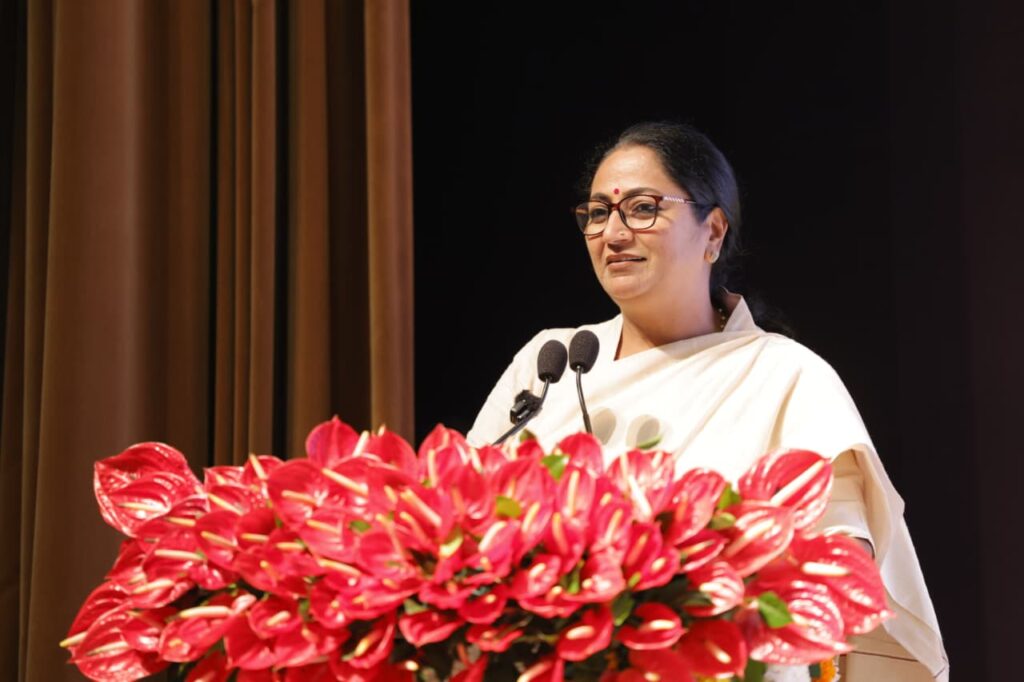
NEW DELHI: Delhi Chief Minister Rekha Gupta on Monday launched the ‘Delhi Ko Kude Se Azadi-Swachhta Abhiyan 2026’, a major cleanliness campaign aimed at making the capital cleaner, improving waste management and turning sanitation into a people-driven movement.
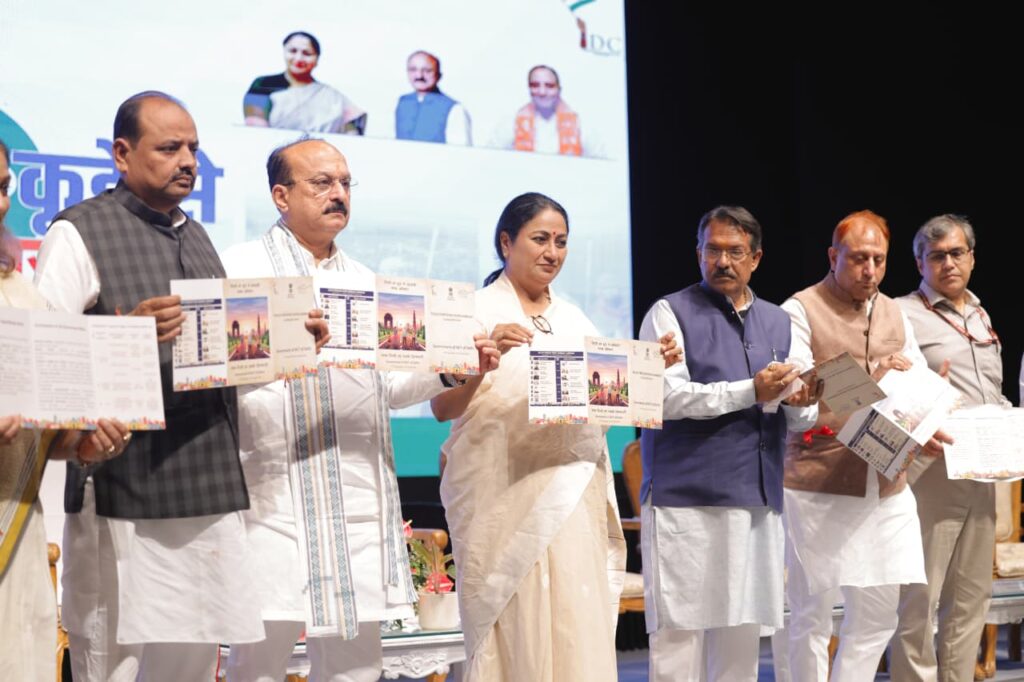
Launched at the Kedarnath Sahni Auditorium at the Delhi Municipal Corporation headquarters, the campaign will continue until October 2, 2026. A brochure outlining the campaign was also released.
Union Minister of State Harsh Malhotra, Delhi Urban Development Minister Ashish Sood, Mayor Pravesh Wahi, Chief Whip and MLA Abhay Verma and other officials attended the launch.
Cleanliness to become a people’s movement
Malhotra said the campaign was not merely about improving sanitation systems but about making cleanliness part of people’s everyday thinking and behaviour. He recalled Mahatma Gandhi’s emphasis on cleanliness and Prime Minister Narendra Modi’s call to transform sanitation into a national movement.
He said the Delhi government under Chief Minister Rekha Gupta had given special attention to strengthening the Municipal Corporation financially and supporting faster work in sanitation and other civic areas.
Chief Minister Gupta said cleanliness was “not the responsibility of any one department or agency”, but a shared responsibility of every citizen.
She said the campaign would bring together government departments, local bodies, market associations, resident welfare associations, educational institutions, industrial organisations, voluntary groups and citizens.
“Delhi Ko Kude Se Azadi” is aimed not merely at conducting cleanliness drives but at making cleanliness part of citizens’ daily behaviour and lifestyle, she said.
Cleanest wards to get major incentives
Gupta announced a 12-month cleanliness competition among wards, with the cleanest ward each month eligible for an incentive of ₹1 crore.
A ward that continues to perform exceptionally well may receive an additional incentive of up to ₹2 crore, with a ward potentially receiving up to ₹12 crore in CMDF funds over the year.
Performance will be assessed through reports from an independent agency, official reports and complaints received from citizens and social media. A ward may be disqualified if garbage-related complaints are found to be valid.
Four Cs to drive waste management
The Chief Minister highlighted the Four Cs — Collection, Cleaning, Conversion and Circular Economy — as the campaign’s core approach.
Waste segregation at source, proper collection, scientific processing and disposal will be prioritised, alongside efforts to convert waste into resources and promote green fuel and a circular economy.
The government is also developing 70 mechanical sweeping machines, additional litter-picker vehicles for every ward and 125 secondary collection centres for construction and demolition waste.
Slums, schools, parks and hospitals in focus
Special cleanliness drives will be held in slum clusters on August 23 and 30 and September 6 and 13. Public toilets will receive special attention every Saturday and Sunday.
A green-waste removal campaign will run in parks from September 1 to 10, while government hospitals will witness special cleanliness drives on September 17.
From September 17 to October 2, the ‘Mera School, Sabse Sundar’ competition will focus on the upkeep and beautification of government schools. A zero-waste campus campaign will also be introduced in schools.
Urban Development Minister Ashish Sood said the initiative was intended to change not only the appearance of Delhi but also citizens’ habits and their approach to cleanliness.
MCD steps up garbage management
Mayor Pravesh Wahi said the Municipal Corporation of Delhi had made significant progress in addressing the city’s garbage mountains, with the Okhla and Bhalswa sites nearing elimination.
He said improved coordination between the Delhi government and the civic body was strengthening waste management, sanitation and maintenance of public spaces.
The campaign will focus on identifying garbage-sensitive locations, regular cleaning, source segregation, timely collection and scientific waste processing.
Daily and weekly cleanliness drives planned
Under the campaign action plan, daily activities will include cleaning garbage-sensitive spots, roads and footpaths, cleanliness pledges, night-time market cleaning, school awareness sessions, tree plantation, pothole repairs, footpath and central-verge beautification, and cleaning of public and community toilets.
Weekly activities will include removal of unauthorised posters and writing on Mondays, cleaning of community centres and back lanes on Tuesdays, cleaning of railway tracks and the Ring Road on Wednesdays, inspections of bulk waste generators on Thursdays, office cleaning and ward reviews on Fridays, and special drives in slum and JJ clusters on Saturdays.
The Delhi government has directed the NDMC, MCD and Delhi Cantonment Board, along with other concerned departments and local bodies, to prepare detailed action plans and ensure time-bound, result-oriented implementation.
The campaign will also promote waste segregation, reduction of single-use plastic, scientific solid-waste disposal, composting, park maintenance, green public spaces, drain and water-body cleaning, awareness programmes and participation by RWAs, markets, schools, industries, voluntary organisations and community groups.
Chief Minister Gupta stressed that making Delhi clean and garbage-free would ultimately depend on citizens treating cleanliness as their own responsibility.