

Written by: S. Jagjit Singh
The modern education system is opening new pathways for knowledge, skills, and innovation. However, alongside these advancements, it has also brought forward a reality that cannot be ignored. The relentless race for marks, ranks, and success has affected the innocence, mental peace, and emotional well-being of many students. The true purpose of education is not merely to secure high scores in examinations but to nurture individuals who can face life’s challenges with courage, resilience, and self-confidence.
Today, the journey from secondary school to higher education has become an increasingly sensitive phase in a student’s life. Career anxiety, social comparison, growing competition, and the burden of expectations are silently overwhelming many young minds. We often measure students by their achievements but seldom take the time to understand their emotions. When a child begins to believe that their identity is defined only by marks, even a single setback may seem like the end of everything.
The changing social and economic landscape has also placed immense pressure on parents. They work tirelessly to provide a better future for their children. Yet, in this pursuit, the very things children need the most-time, meaningful conversations, emotional support, and reassurance-are often missing. More than expensive facilities, children long for the presence, trust, and encouragement of their parents. Without these, loneliness, stress, and hopelessness can gradually take over their thoughts.
Another concerning reality is that many students today strive more to fulfil others’ expectations than to pursue their own dreams. When they feel unable to meet those expectations, they begin to see themselves as failures. In such moments of despair, some students make irreversible decisions that leave not only their families but society as a whole in profound grief. Every such tragedy reminds us that it is time to redefine the true meaning of education.
Encouragingly, the National Education Policy (NEP) 2020 has introduced a new vision for education. It shifts the focus from rote learning to understanding, creativity, life skills, resilience, mental well-being, and the holistic development of every learner. It represents a significant step towards making education more learner-centred and humane. However, the spirit of this policy has yet to reach every classroom and every student. It is hoped that its sincere and effective implementation will transform education from a race for marks into a journey of holistic growth.
The time has come to make psychological counselling, life skills education, emotional literacy, and positive motivation an integral part of our schools. The role of teachers can no longer remain limited to classroom instruction; they must also become mentors who understand the minds and emotions of their students. Likewise, parents should avoid comparing their children with others and instead recognise and nurture their individual abilities, interests, and aspirations.
Every child deserves to know that one examination, one result, or one failure does not determine the course of an entire life. Life is full of opportunities, and every individual has a unique path to success. True education teaches children how to rise after every fall, rather than living in constant fear of failure.
If we can assure our children that life is precious, that difficult times always pass, and that every failure carries the seed of a valuable lesson, then we will truly fulfil the purpose of education.
Let us build an education system where children are recognised not merely by their marks, but by their character, values, compassion, creativity, and humanity. Because, in the end, the greatest victory is not the victory of marks-it is the victory of life.
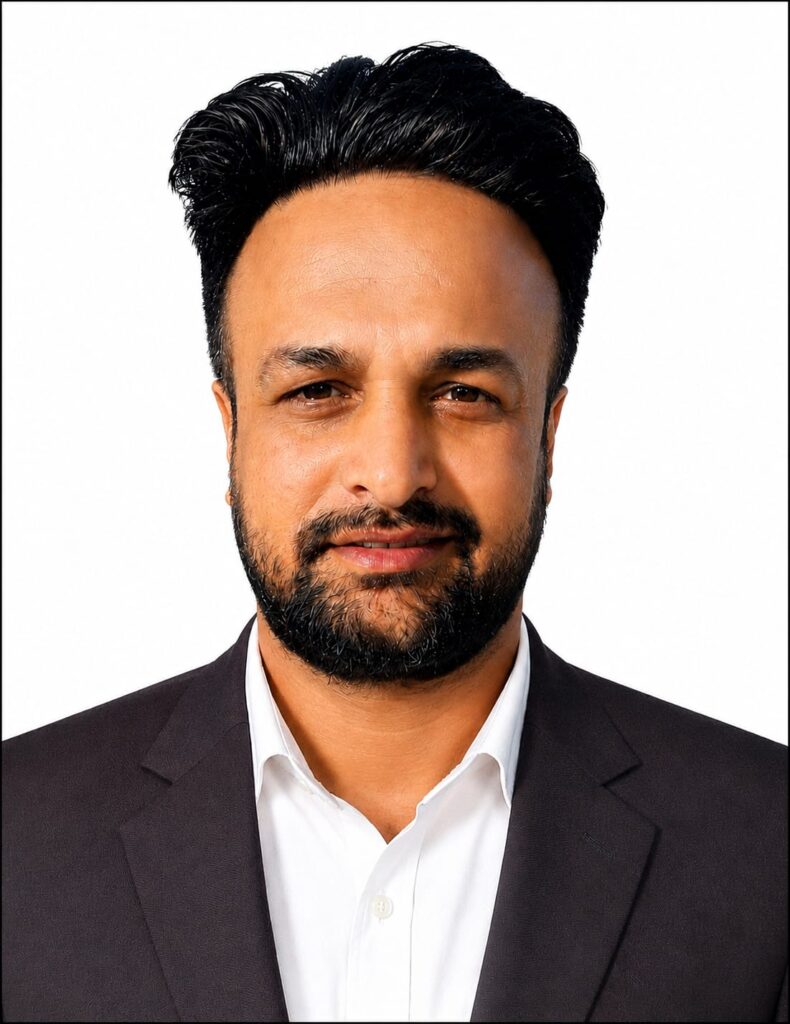
Science Master
Government High School, Raipur
