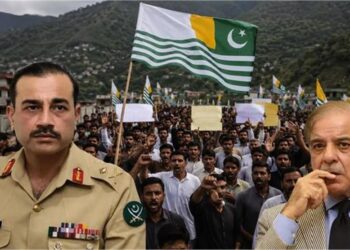

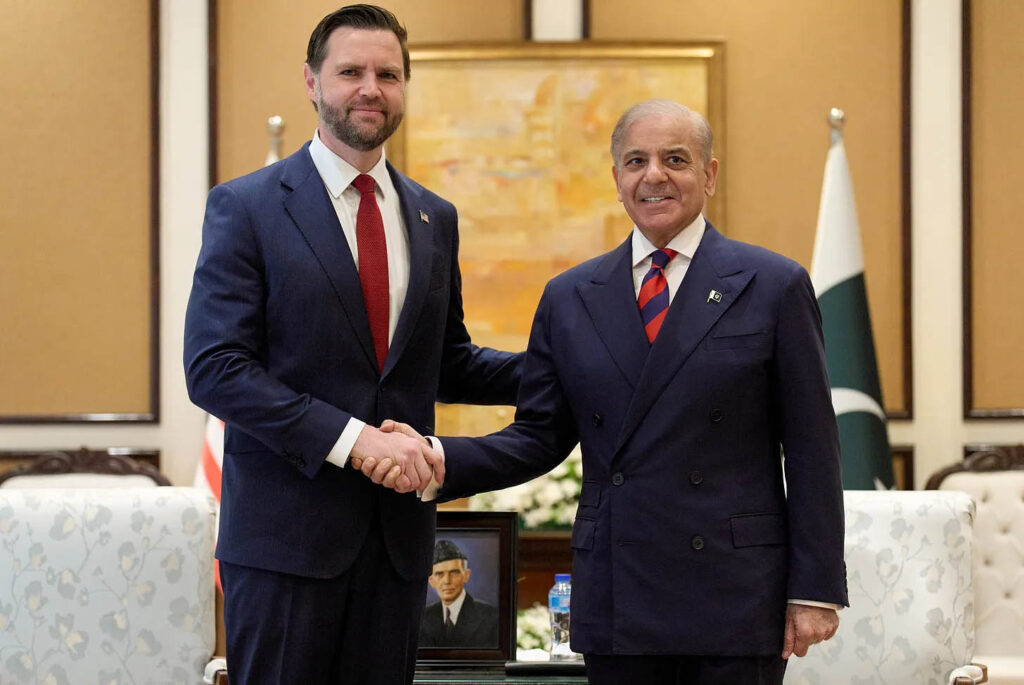
International News Desk: Pakistan’s ruling establishment is celebrating what it calls a historic diplomatic resurgence after positioning itself as a mediator between the United States and Iran. Prime Minister Shehbaz Sharif even described the role as one of the “shining moments” in Pakistan’s history, while former envoy Masood Khan claimed the country was “on cloud nine” over its sudden rise in Washington’s favor.
But behind the celebrations lies a far darker reality: Pakistan’s military-backed regime appears to have traded strategic independence for American approval, using diplomacy, propaganda, and political engineering to regain relevance on the global stage.
According to explosive claims and leaked accounts cited in the report, Pakistan’s military establishment aggressively pushed itself as a mediator in the U.S.-Iran conflict, despite Tehran reportedly distrusting Islamabad’s neutrality. Iranian officials allegedly questioned Pakistan’s credibility, accusing it of consistently prioritizing Washington’s interests over balanced diplomacy.
The controversy intensified after Pakistani military media channels allegedly circulated exaggerated claims about secret peace talks in Islamabad involving Iranian Foreign Minister Abbas Araghchi, U.S. envoy Steve Witkoff and even Jared Kushner. The narrative briefly boosted market confidence and generated international headlines before reportedly collapsing under scrutiny.
The report paints Pakistan’s military regime as a government desperate for Western legitimacy after years of political instability, economic collapse, and international isolation following the ouster of former Prime Minister Imran Khan in 2022.
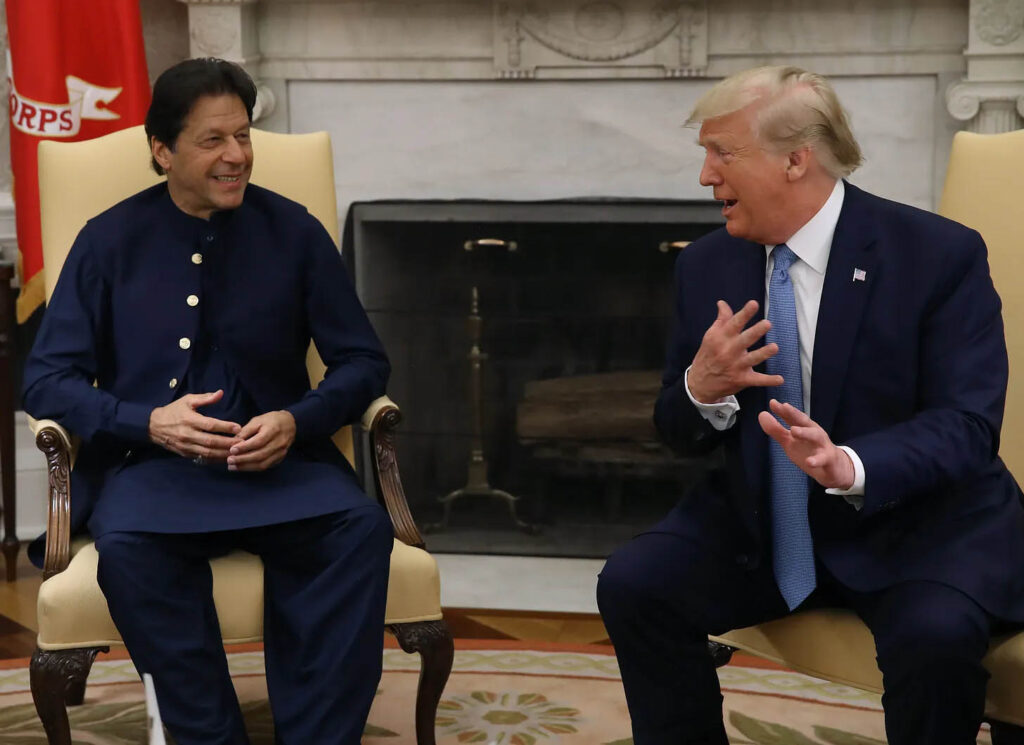
It further alleges that Washington’s relationship with Islamabad dramatically improved only after Khan’s removal, with Pakistan quickly aligning itself with U.S. geopolitical interests — from quietly supplying ammunition linked to the Ukraine war to reducing strategic dependence on China under pressure from American policymakers.
One of the most controversial allegations involves Pakistan’s nuclear establishment. The report claims former Army chief Qamar Javed Bajwa attempted to reassure Washington by limiting Pakistan’s missile posture and even discussing access related to sensitive nuclear facilities — claims that, if true, would raise serious concerns over sovereignty and national security.
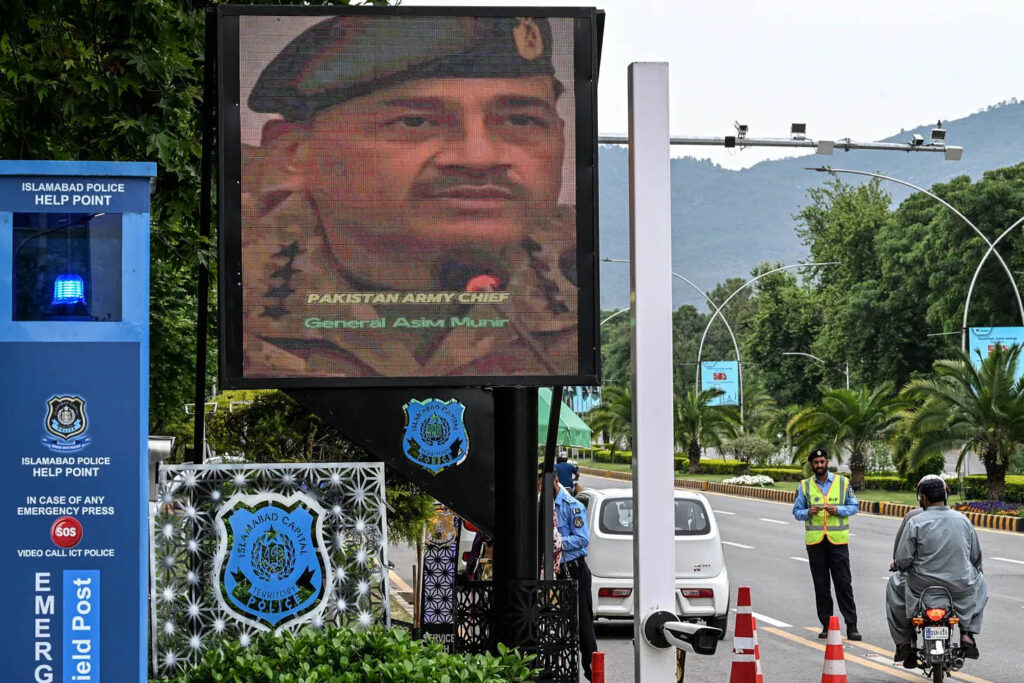
Under current Army chief Asim Munir, Pakistan is portrayed as moving even closer to the U.S. camp while relations with China reportedly cooled. Major projects linked to the China-Pakistan Economic Corridor stalled, tensions with Beijing increased, and Pakistan allegedly failed to deliver key security guarantees sought by China.
The report also claims Islamabad pursued closer ties with the Trump camp through cryptocurrency deals, rare earth mineral agreements, and expanded military cooperation, all aimed at keeping Pakistan strategically useful to Washington.
Critics argue the developments expose a harsh reality: Pakistan’s establishment may present itself as a rising diplomatic power, but behind the headlines it remains heavily dependent on foreign patronage, military control, and geopolitical bargaining for survival.
Despite Islamabad’s attempts to project itself as a global peacemaker, skepticism continues to grow internationally over whether Pakistan is acting as an independent mediator — or merely serving as a convenient extension of American strategic interests in the region.