
Pakistan’s worsening economic crisis has reached another alarming milestone, with petrol and diesel prices soaring to record-breaking levels. As inflation spirals out of control and foreign dependency grows, ordinary citizens are being forced to bear the cost of the government’s financial mismanagement and policy failures.
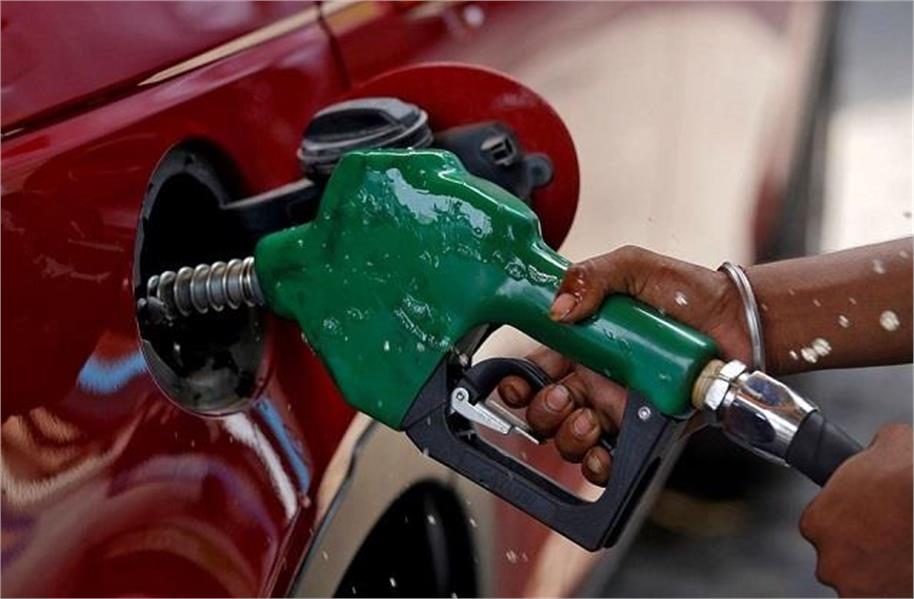
Islamabad: Pakistan, already battling severe economic instability, runaway inflation, and a collapsing currency, has once again shocked its citizens with a massive fuel price hike. The Shehbaz Sharif government has increased petrol and diesel prices for the second time within a single week, intensifying pressure on millions struggling to survive.
The latest surge comes amid growing geopolitical tensions linked to the US-Iran conflict, exposing Pakistan’s fragile economy and dangerous dependence on external factors.
Fuel Prices Cross Record Levels
According to Pakistan’s Energy Ministry, fuel prices have been raised by nearly 15 Pakistani rupees per litre, pushing rates to unprecedented highs:
- Petrol: increased from 399.86 PKR to 414.78 PKR per litre
- High-Speed Diesel (HSD): increased from 399.58 PKR to 414.58 PKR per litre
For a population already burdened by unemployment, inflation, and shrinking incomes, the latest hike has triggered widespread anger and frustration.
Public Suffers as Government Increases Taxes
Pakistani media reports reveal that over the past two weeks alone:
- Petrol prices have risen by 33.28 PKR per litre
- Diesel prices have jumped by 46.16 PKR per litre
Adding to public outrage, the government has also increased fuel levies by 13.91 PKR per litre, placing even greater financial pressure on citizens. Critics argue that instead of delivering economic relief, the government continues to rely on excessive taxation and repeated price hikes to keep the collapsing economy afloat.
IMF Bailout Highlights Pakistan’s Dependency
The sharp rise in fuel prices comes shortly after the International Monetary Fund (IMF) agreed to provide Pakistan with financial assistance worth 1.32 billion US dollars. The package includes:
- 1.1 billion dollars under the Extended Fund Facility
- 220 million dollars for environmental programmes
However, analysts believe these emergency funds come with strict economic conditions that are forcing Islamabad to repeatedly increase fuel prices, taxes, and utility costs.
The situation has once again highlighted Pakistan’s growing dependence on international bailouts and its inability to stabilise the economy without external support.
Long Queues, Shortages, and Rising Panic
Reports from across Pakistan indicate growing fears of fuel shortages, long queues at petrol pumps, and increasing public panic. With inflation already at painful levels, rising energy costs are now threatening transport, businesses, and household survival.
What was once described as a temporary economic slowdown is increasingly being viewed as a full-scale financial crisis, with ordinary Pakistanis paying the price for years of economic instability, debt dependence, and policy failures.