
Peshawar: Pakistan’s deepening security crisis has once again been brutally exposed after a prominent cleric was shot dead in broad daylight in Khyber Pakhtunkhwa, in an attack that also injured two police officers. The incident highlights the country’s persistent failure to rein in armed violence, even against high-profile religious figures.
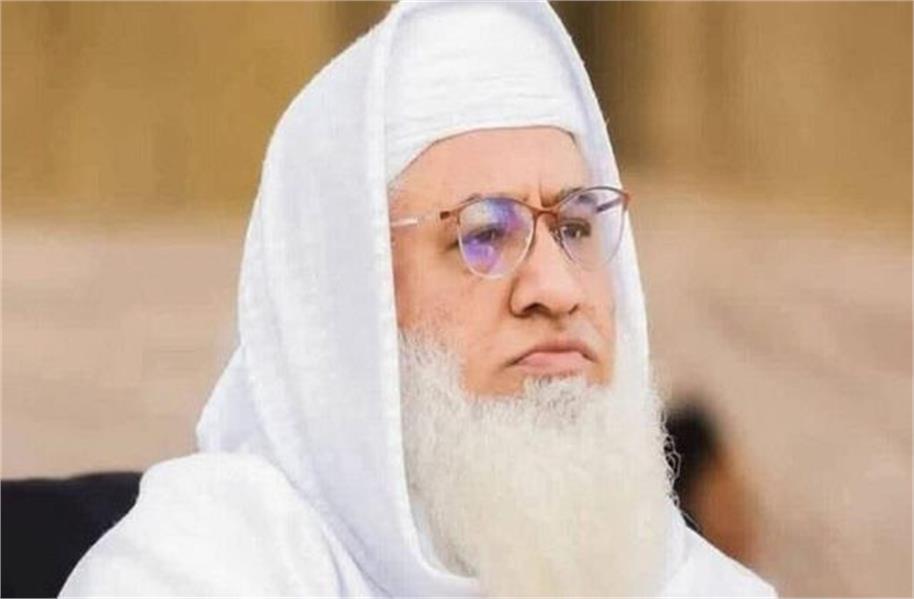
Police said senior religious scholar Maulana Mohammad Idris was assassinated in a targeted attack on Tuesday. Unidentified gunmen ambushed his vehicle in the Umerzai area of Charsadda district, opening fire with apparent ease despite the presence of security personnel. Two officers travelling with him were wounded.
Idris, widely regarded as a respected religious scholar, was reportedly en route to deliver a Dars-e-Hadith at Darul Uloom Umerzai when he was attacked. He sustained critical injuries and died before reaching the District Headquarters Hospital—raising serious questions about both security preparedness and emergency response.
His body was later taken to his ancestral village of Turangzai, where large crowds gathered amid anger and grief.
The killing quickly triggered protests, with hundreds marching towards Charsadda city and demanding immediate arrests. Demonstrators staged a sit-in at Farooq-e-Azam Chowk, reflecting growing public frustration over what many see as unchecked violence and ineffective policing.
Even as officials issued routine condemnations, the attack underscores a grim reality: targeted killings continue with alarming frequency in Pakistan, often with little accountability. Khyber Pakhtunkhwa Inspector General of Police Zulfiqar Hameed has sought a report, while Chief Minister Sohel Afridi has called for an inquiry—responses critics say have become predictable in the face of recurring bloodshed.