
International Desk: Fresh claims by former commando Lucky Bisht have intensified scrutiny of Balochistan, with the region once again emerging as a flashpoint exposing Islamabad’s weakening grip. Describing the situation as “close to freedom”, Bisht’s remarks underline what many observers see as Pakistan’s deepening crisis in the restive province.
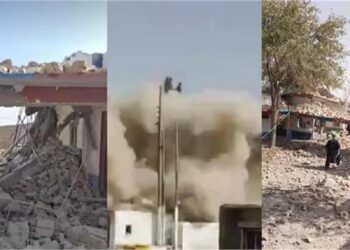
In a strongly worded social media post, Bisht asserted that Pakistan’s control over Balochistan is steadily eroding, with the region moving towards potential independence. He claimed that the Baloch Liberation Army has dramatically escalated its operations, carrying out 27 attacks in just 10 days, reportedly killing over 45 Pakistani soldiers. The claims paint a picture of a military increasingly on the defensive, with allegations that routine patrolling has become too risky for Pakistani forces.
Adding to Islamabad’s discomfort, Bisht alleged that the United States Department of State has withdrawn personnel from Lahore, while the UK has effectively labelled the entire region a “no-go zone” — a damning indictment of the security situation.
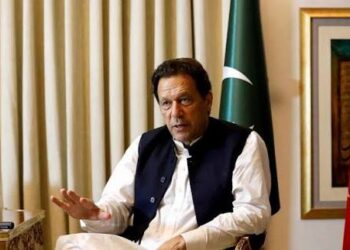
According to the post, intelligence inputs linked to agencies such as the Central Intelligence Agency and MI6 have heightened alarm within Pakistan’s top leadership, including Army Chief Asim Munir. If accurate, these developments suggest growing international concern over Pakistan’s ability to manage the crisis.
The unrest in Balochistan is far from new. For over seven decades, the region has witnessed repeated uprisings against what many locals describe as systemic neglect, exploitation, and heavy-handed military action. While Islamabad continues to frame the issue as one of counter-terrorism, critics argue that such an approach has only deepened alienation and fuelled further resistance.
Chinese Exit Signals Investor Alarm
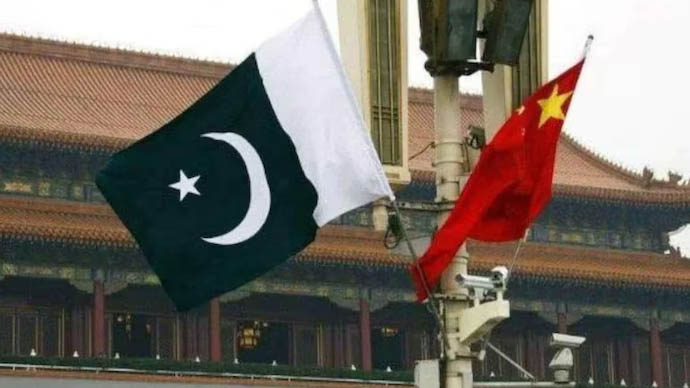
The situation has become even more precarious with China’s high-stakes investments under the China–Pakistan Economic Corridor coming under strain. The strategically vital Gwadar Port, once projected as a cornerstone of regional connectivity, is now increasingly seen as a vulnerability amid rising instability.
In a significant setback, Han Geng Trade Company has shut down its operations in Pakistan, citing an inability to function under prevailing conditions. The company pointed to bureaucratic hurdles, repeated export disruptions, and mounting financial losses despite complying with international norms — a stark reflection of the country’s deteriorating business environment.
Systemic Failures Exposed
The firm further highlighted spiralling operational costs, including wages, electricity, and penalties, stating that the challenges were rooted not just in logistics but in flawed governance and inconsistent policies. Its exit from Gwadar — a flagship CPEC hub — sends a troubling signal to global investors about Pakistan’s reliability as an investment destination.
In a candid warning, the company urged other investors to carefully assess Pakistan’s policy unpredictability and administrative inefficiencies before committing capital. It also apologised to its workforce, acknowledging that the situation had become untenable despite sustained efforts to continue operations.
A Long-Brewing Crisis
The roots of the conflict date back to 1947, when Balochistan’s accession to Pakistan was contested by sections of its leadership. The subsequent incorporation in 1948 triggered resentment that has since evolved into recurring insurgencies:
- 1948 – Initial resistance
- 1958–59 – Military crackdown
- 1973–77 – Large-scale insurgency with heavy casualties
- Post-2000 – Renewed militancy and intensified attacks
Fault Lines That Persist
At its core, the Balochistan crisis reflects deep structural issues — unequal resource distribution, political marginalisation, and allegations of state repression. Despite being rich in gas, gold, and copper, the province remains underdeveloped, fuelling anger among locals who claim they are denied both economic benefits and political voice.
Accusations of enforced disappearances and military excesses continue to surface, further damaging Islamabad’s credibility. With unrest intensifying and investor confidence wavering, Balochistan is increasingly seen not just as a regional challenge, but as a test of Pakistan’s stability itself.