
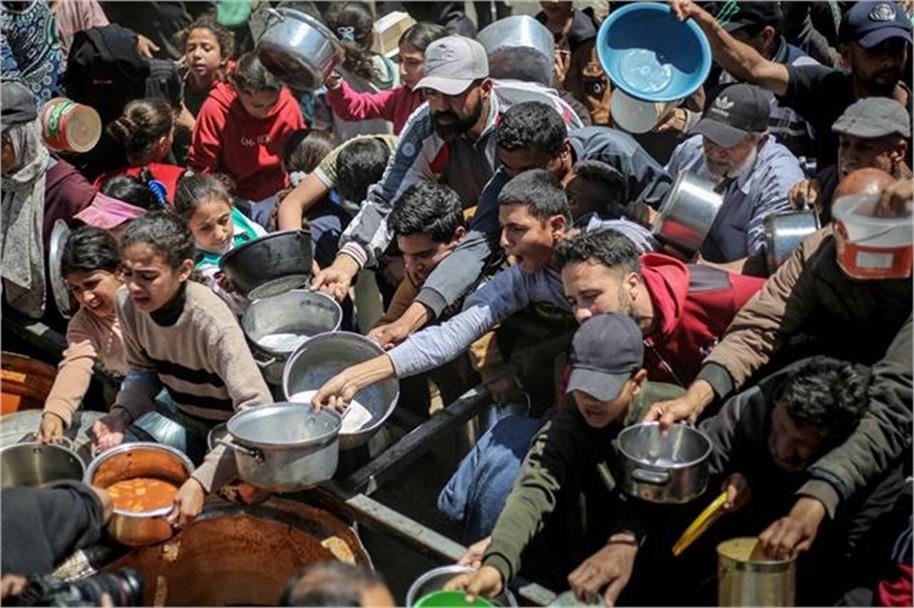
A 2026 United Nations report highlights a deepening food crisis across 10 countries, including Pakistan, where roughly 11 million people are at risk of starvation. The situation is being driven by climate-related disasters, rising inflation, widespread malnutrition and ongoing global conflicts.
International Desk: The United Nations’ 2026 Global Report on Food Crises identifies Pakistan as one of the countries facing the most severe levels of food insecurity. It estimates that around 11 million people lack adequate access to food and are nearing starvation. Of these, approximately 9.3 million fall under the “crisis” category, while 1.7 million are in an “emergency” phase—both considered critical stages just short of famine, where securing daily meals becomes extremely difficult.
Multiple factors have contributed to this worsening crisis. Devastating floods and erratic weather in 2025 destroyed crops on a massive scale, severely affecting food availability. At the same time, soaring inflation has made essential food items increasingly unaffordable for many households. The situation is further aggravated by malnutrition, limited access to clean water and fragile healthcare systems.
The report stresses that this crisis extends beyond Pakistan. Other countries facing similarly severe conditions include:
- Afghanistan
- Bangladesh
- Myanmar
- Nigeria
- Sudan
- Syria
- Yemen
- Democratic Republic of the Congo
Notably, one-third of the global population affected by acute food insecurity is concentrated in just three countries—Sudan, Nigeria and the Democratic Republic of the Congo—where the situation is especially critical. Worldwide, an estimated 266 million people are currently experiencing severe food insecurity, marking a sharp increase compared with previous years.
UN experts caution that this is no longer a short-term emergency but an entrenched global challenge. Without prompt and effective intervention, both hunger and inflation are expected to worsen in the months ahead.