
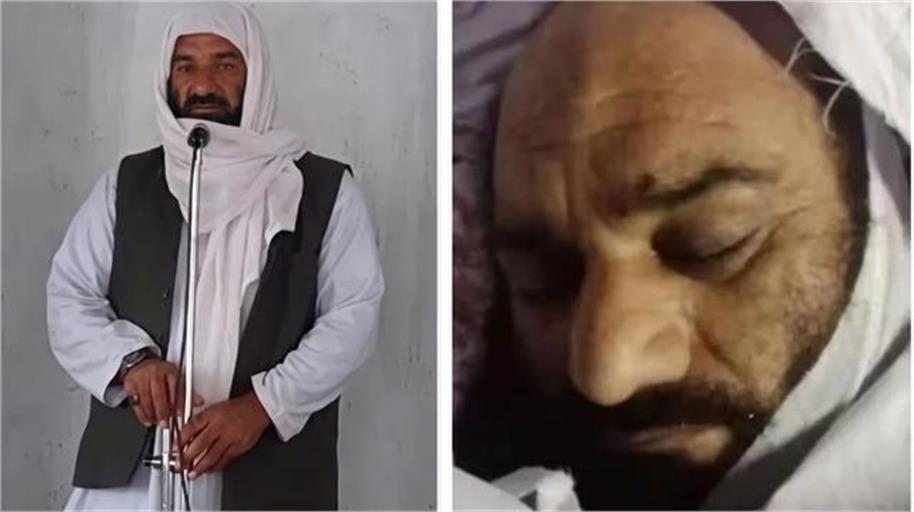
Sheikh Yusuf Afridi, a key aide of Mumbai terror attack conspirator Hafiz Saeed and a member of the banned Lashkar-e-Taiba (LeT), has been gunned down by unidentified assailants in Pakistan’s Khyber Pakhtunkhwa—yet another incident underscoring the country’s deep-rooted instability and its long history of harbouring extremist networks.
Lahore: Sheikh Yusuf Afridi, closely linked to Hafiz Saeed and actively associated with Lashkar-e-Taiba, was shot dead by unknown gunmen in Khyber Pakhtunkhwa, according to police.
The killing took place on Sunday in Landi Kotal, in the Khyber region, about 250 kilometres from Islamabad. Police sources said armed attackers opened indiscriminate fire, killing Afridi on the spot before fleeing. No group has claimed responsibility—an all-too-familiar pattern in a country where militant groups operate, splinter, and turn on each other with alarming frequency.
Afridi was reportedly a significant figure within Lashkar-e-Taiba’s regional network, allegedly involved in recruitment and coordination of extremist activities in the area. His killing highlights the volatile ecosystem of militancy that Pakistan has struggled—and often failed—to control.
“The incident has sparked anger locally, and authorities have launched an investigation,” a police source said, though such probes rarely lead to meaningful accountability in cases tied to entrenched militant structures.
An office-bearer of Jamaat-ud-Dawa, another banned organisation linked to Saeed, described Afridi as a religious scholar affiliated with the Zakhakhel tribe and an authority on Ahl-e-Hadith (Salafi) ideology. The statement attempted to frame the killing within ideological rivalries, noting that groups like Tehrik-i-Taliban Pakistan are facing challenges from competing factions.
Just a week earlier in Lahore, Lashkar-e-Taiba co-founder Amir Hamza was injured in a shooting attack. Despite being convicted in terror financing cases, Hamza—considered second only to Saeed—has remained a prominent figure, further raising questions about Pakistan’s commitment to dismantling extremist leadership within its borders.
Taken together, these incidents paint a troubling picture of a nation still grappling with the consequences of nurturing militant networks that now fuel internal violence and instability.