
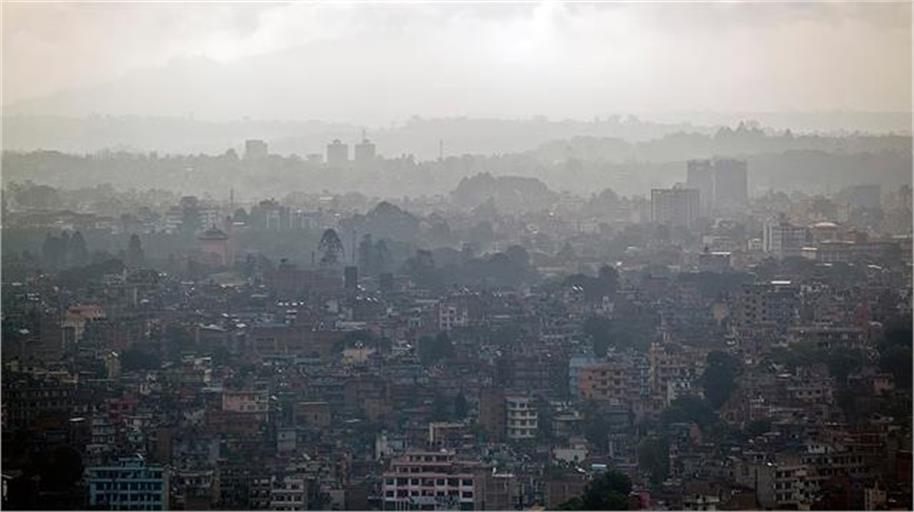
Nepal’s capital, Kathmandu, is grappling with a severe air pollution crisis, now ranked the second most polluted city globally after recording an Air Quality Index (AQI) of 247. This “very unhealthy” level poses serious and immediate health risks, with experts warning of a sharp rise in pollution-related diseases and deaths.
International Desk: Air quality in Kathmandu has deteriorated dramatically in the past 24 hours. Data from IQAir places the city just behind Lahore, which tops the global pollution chart with an AQI of 381—categorised as “hazardous”. Any AQI reading above 200 signals dangerously poor air, threatening both the general population and vulnerable groups, while levels above 300 are considered life-threatening.
At the heart of the crisis is PM2.5—microscopic pollutants capable of penetrating deep into the lungs and entering the bloodstream. These particles linger in the atmosphere, significantly increasing the risk of respiratory and cardiovascular illnesses.
Nepal’s pollution emergency has been steadily intensifying, driven by unchecked industrial emissions, rising vehicular pollution, household smoke, and rampant waste burning. Ageing, poorly maintained vehicles are compounding the problem. According to Nepal’s Health Ministry, air pollution claims around 42,000 lives each year, including 19% children under five and 27% elderly above 70—figures that underline a growing public health catastrophe and a dent in life expectancy.
Health experts warn that prolonged exposure to such toxic air can trigger chronic respiratory diseases, heart conditions, and other life-threatening ailments. Children, the elderly, and those with existing health issues remain most at risk. While authorities have advised residents to stay indoors, wear masks, and minimise exposure, environmental experts argue that only strict enforcement, better urban planning, improved traffic systems, and a decisive shift to clean energy can pull Kathmandu back from the brink.