
Pakistan’s long-accused militant infrastructure is reportedly showing signs of internal collapse, as bitter infighting within Lashkar-e-Taiba and growing friction between the Pakistan Army and the ISI expose cracks in the country’s security establishment.
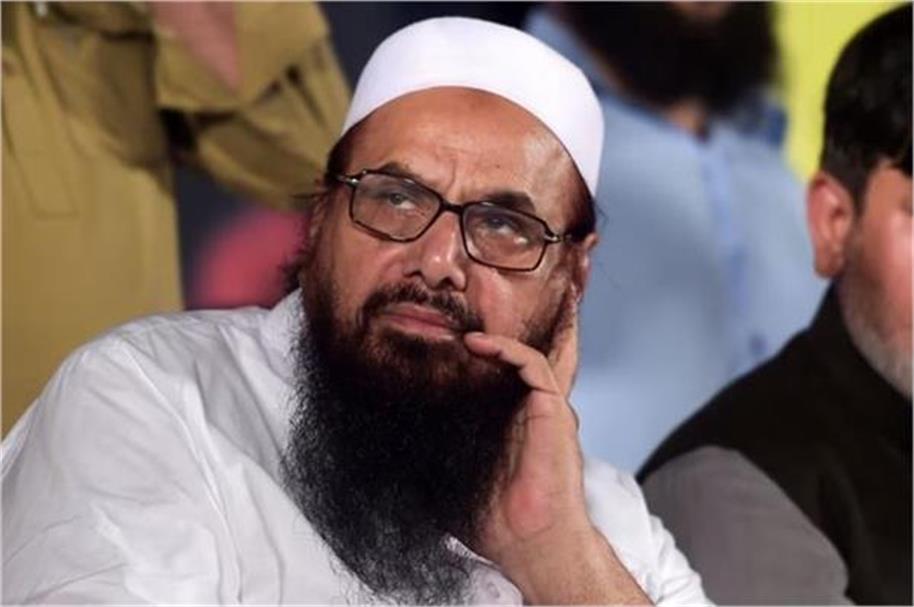
Islamabad: A serious power struggle is reportedly unfolding inside Pakistan’s militant network, with Hafiz Saeed’s leadership facing unprecedented challenge. Media reports indicate mounting pressure within Lashkar-e-Taiba to replace Saeed with Saifullah Kasuri, as younger elements push for a leadership overhaul.
Sources suggest Saeed, once considered untouchable, is increasingly being viewed by sections of the organisation as weakened and ineffective. The reported revolt has laid bare factional divisions, with one bloc rallying behind Kasuri while the old guard clings to the status quo.
At the same time, tensions are reportedly escalating between Army Chief Asim Munir and the ISI, with growing dissatisfaction inside the military over intelligence failures and the inability to contain rising threats, including the activities of the TTP and BLA.
The reported mysterious killings of anti-India militants inside Pakistan since 2023 have further fuelled scrutiny of the country’s security apparatus. What was once projected as a tightly controlled system now appears increasingly beset by mistrust, dysfunction and internal rivalry.
Saifullah Kasuri’s emergence as a challenger has reportedly intensified the crisis, turning what began as a leadership dispute into a wider battle over control of a militant network long viewed as intertwined with Pakistan’s security calculus.
Reports indicate the Pakistan Army is pushing for a new face to steady a deteriorating situation, while the ISI remains reluctant to abandon Hafiz Saeed, exposing a deeper institutional rift at the heart of the state’s security structure.
The turmoil is being seen as more than a dispute over succession. It points to a broader breakdown within Pakistan’s militant ecosystem, where pressure, infighting and competing power centres are eroding the very networks once used as strategic assets.
Far from projecting strength, the latest reports paint a picture of a system under strain — where militant factions are splintering, the Army and ISI are pulling in different directions, and Pakistan’s long-denied terror infrastructure appears increasingly unstable.