


An incident involving two Pakistani nationals caught stealing in Nepal has escalated into a serious security concern, with investigators probing whether the case points to something far more organised. With the open border between India and Nepal, agencies are treating the matter with urgency and caution.
International Desk: In Kapilvastu district, the arrest of two Pakistani women for theft has triggered alarm within security circles. What initially appeared to be a petty crime is now under deeper scrutiny. The women allegedly entered a jewellery shop posing as customers and stole valuables while pretending to inspect them. CCTV footage led to their identification and arrest.
The situation took a more sensitive turn when Pakistan passports were recovered, immediately raising questions about cross-border movement and intent. Investigators are now examining travel patterns, contacts, and whether this was an isolated act—or part of a coordinated effort.
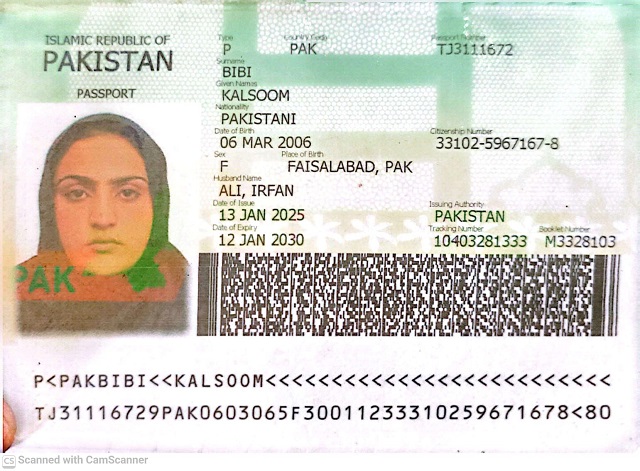
Security analysts point out that repeated incidents involving foreign nationals, particularly across multiple locations, can indicate reconnaissance, testing of local systems, or organised criminal activity rather than случай opportunistic theft. In a region with known vulnerabilities, such incidents cannot be dismissed lightly.
The open border between India and Nepal significantly amplifies the risk. Easy movement with minimal checks creates opportunities that can be exploited not just by petty criminals, but potentially by organised networks. This is precisely why agencies are now examining loopholes in visa-free travel, gaps in surveillance, and local enforcement challenges.
While there is no confirmed evidence at this stage linking the incident to any larger network or group, security experts warn against complacency. Speculation around possible links to extremist or state-backed elements remains unverified, but the pattern is enough to warrant a thorough, multi-agency investigation.
The message from this incident is clear: even seemingly minor crimes can expose deeper vulnerabilities. Strengthening border intelligence, tightening coordination between India and Nepal, and improving on-ground vigilance are no longer optional—they are urgent necessities.