
Interim govt led by Sushila Karki is seen as having let momentum built by September protests slip, by focusing on law and order, and not touching the hot issue of corruption.
On a visit to Nepal in 2018 when she was the prime minister of Myanmar, Aung San Suu Kyi remarked how excited she was to see several ex-PMs of the country together at a reception. “That is the beauty of democracy,” she said at a meeting the next day.
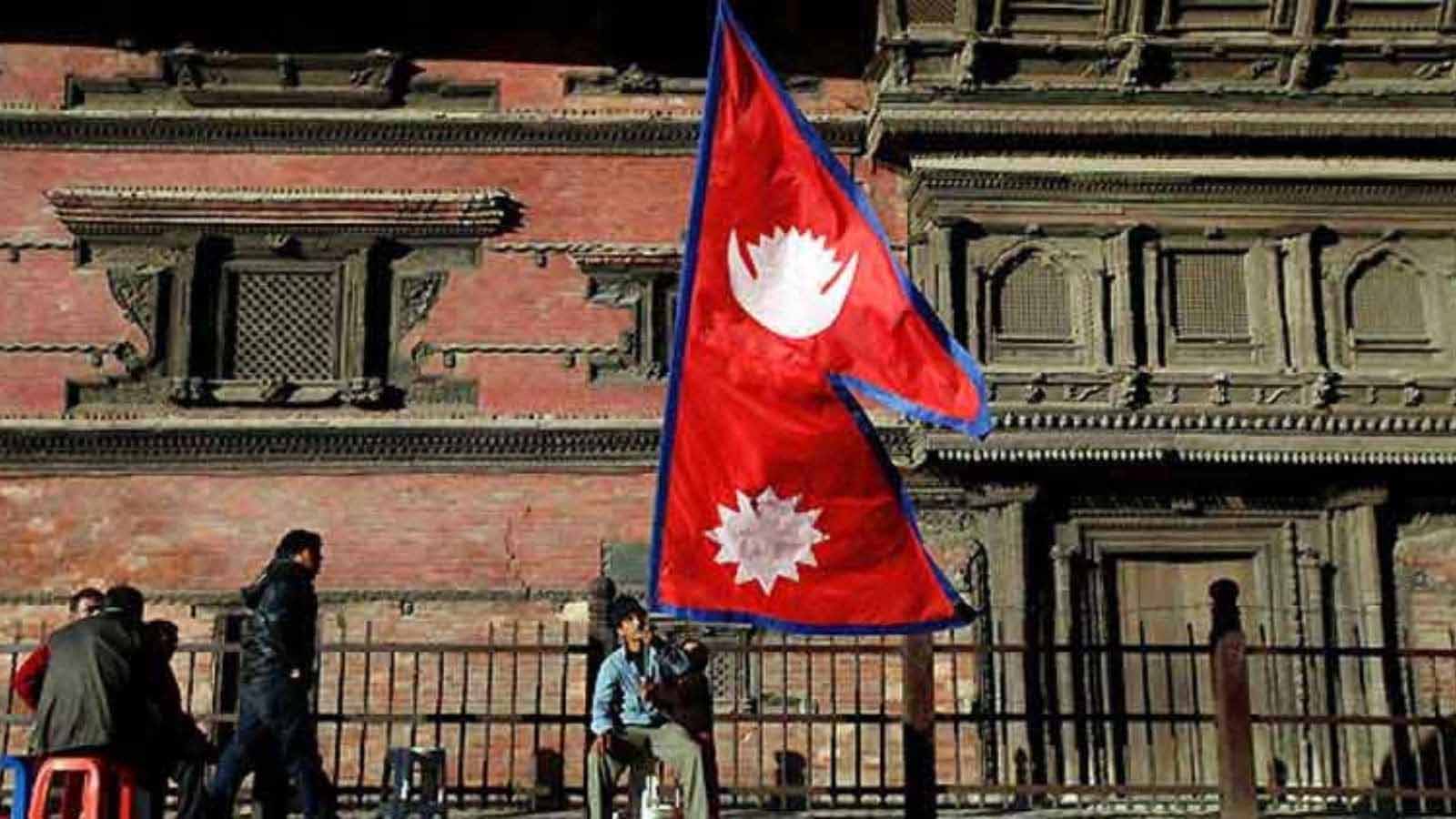
However, as Nepal votes on March 5 in its first elections since the September 2025 Gen Z protests that toppled the government, its long list of living former PMs is one of the concerns haunting it.
While the protests were targeted at the existing political system, six months later, at least half-a-dozen former PMs continue to play a prominent role in their parties and the nation’s politics.
The most prominent among them is five-time former PM and Nepali Congress chairman Sher Bahadur Deuba. In the September protests, the 79-year-old Deuba and his wife Arzu Rana Deuba – the then foreign minister – had been attacked and severely injured, with their house burnt to the ground.
In January, a rebel faction of the Nepali Congress led by Gagan Thapa, 50, seized control of the party via a “special convention”, with Deuba’s request to be allowed to continue till the elections rejected.
While the Nepali Congress is projecting Thapa as its PM candidate, Deuba’s clout endures. His loyalists comprise a lion’s share of the 110 nominees – out of total 275 in Parliament – put up by the Nepali Congress for election via the proportional representation route. Thapa called the shots in deciding candidates for the 165 remaining seats, for which voting will be held on March 5.
Last week, in a closely watched move, Deuba, who last held the PM’s post in December 2022, left for Singapore, saying he would return only after voting day, and telling his aides, “It seems elections will take place as scheduled.”
This was a pointed barb at apprehensions that March 5 will see widespread violence.
Another old-timer and multiple-time PM, K P Sharma Oli, has been playing into fears that the elections “may not be fair”. A long-time leader of the Communist Party of Nepal (Unified Marxist-Leninist) – CPN (UML) – the 74-year-old has refused to step down despite pressure from within the party, especially since the September protests.
Oli was the PM, with Nepali Congress support, when the protests happened and brought his government down. He remains hopeful of his party emerging as the single largest outfit and returning as PM.
Jhala Nath Khanal, another former PM (he led the country for a few months in 2011), is also a prominent face, having been a member of the Constitution-drafting committee when Nepal transitioned to a democracy in 1991. A former chairman of the CPN (UML), he split over differences with Oli over US funding for a project, and is now a member of the Nepali Communist Party, formed after the merger of multiple Communist parties.
However, Khanal has been keeping a low profile as he tends to his wife Rabi Kala Chitrakar, a well-regarded professor, who was set on fire during the September protests. She was flown to Delhi to receive treatment, and has made a slow medical recovery.
The couple’s supporters have been asking why those accused of attacking Chitrakar have not been brought to book but have instead had criminal charges against them dropped. Many see this as proof that the interim government led by former chief justice of Nepal Sushila Karki is hand in glove with the Gen Z protesters.
Another former PM whose role is being watched closely is 71-year-old Baburam Bhattarai, a former Maoist. Bhattarai, who was PM in 2011-13, filed his nomination but later announced he was withdrawing from the race, as he would rather play “the role of a guardian” in the post-election scenario. This is being seen as a euphemism for his desire to become the President.
Then there is Pushpa Kanal Dahal Prachanda, the chief of the Nepali Communist Party, 71, and Madhav Nepal, another former PM, 73. Prachanda, who led the Maoist insurgency in Nepal that lasted a decade (1996-2006), and has been PM three times (2008-09, and twice during 2016-17), has seen his popularity plunge.
Both Prachanda and Nepal are leaders of the Nepali Communist Party.
The main contender against these establishment figures is the Rashtriya Swatantra Party (RSP), founded in 2022 on a platform of anti-corruption and reform. Its chief and founder Rabi Lamichhane was among the 52 people cleared of organised crime and money laundering charges by the Karki government, a move that received much criticism and has been challenged in court.
The RSP prime ministerial candidate is Balendra Shah, the 35-year-old former Kathmandu Mayor, who is pitted against Oli from Jhapa-5 seat. Shah is seen as a charismatic leader with a broad appeal among youth and urban voters, and hence seen as the most acceptable face after the Gen Z protests. Most of the candidates fielded by the RSP are incidentally below 55 years of age.
Around 1.9 crore voters will be casting their ballots in the polls, with 60% of them belonging to the 18-49 age group, making Gen Z support crucial.
However, the Karki administration is accused of letting slip the momentum built by the September agitation, by focusing on law and order and ignoring the promise to battle corruption and bring the corrupt to book – as demanded by the Gen Z protesters.
An investigation report into the crackdown against the protesters on September 8, 2025, leading to 77 deaths, and into the attacks on private and government property the day after, remains under wraps.
The new government will hence start with these tricky issues on its agenda.
The Nepal Army will be overseeing voting, which will help settle fears regarding the 750 weapons snatched from police in the September protests, which remain missing.