

By Page3News International Desk, New York
February 5, 2026 — As Pakistan marks Kashmir Solidarity Day with choreographed rallies in Islamabad and other cities, the reality on the ground in Pakistan-occupied Jammu and Kashmir (PoJK) reveals a far more turbulent and complicated story than the official narrative suggests.
Across Pakistan’s administered territories — notably PoJK and Gilgit-Baltistan — residents have increasingly voiced grievances that go beyond solidarity with the broader Kashmir dispute to focus on local governance, economic marginalisation, and civil rights. Critics both within and outside the region argue that Islamabad’s annual observance risks highlighting deeper systemic issues that officials prefer to keep hidden.
From Public Spectacle to Public Discontent
Official events in Islamabad, featuring state officials and nationalist slogans, are designed to project unity with the Kashmiri cause. Yet, for many in PoJK, Solidarity Day has become emblematic of what local activists describe as “politics of deception” — a term gaining traction on social media and in diaspora commentaries. Local critics contend that annual rhetoric about defending Kashmiri rights rings hollow against persistent socio-economic neglect at home.
Recurring Unrest in PoJK
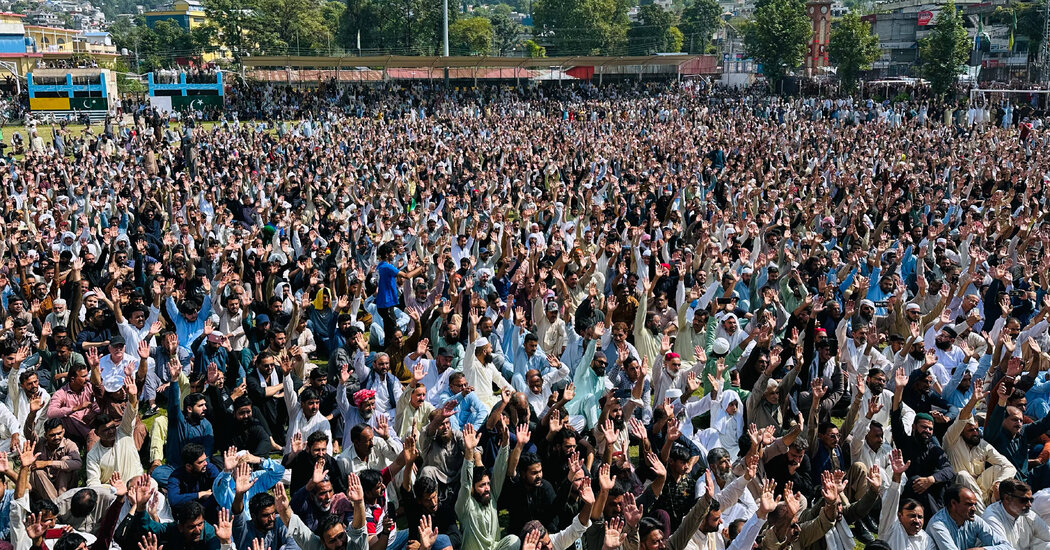
Recent years have seen waves of unrest in PoJK, driven by widespread frustration over unemployment, unreliable electricity, high living costs, and restricted political freedoms. In late 2025, mass protests broke out across Muzaffarabad and surrounding areas, led by the civil coalition Joint Awami Action Committee (JAAC) and other groups demanding structural reforms and better governance.
Security forces’ response to these demonstrations has been forceful. Protest leaders accuse police and paramilitary units of using live fire and tear gas against largely peaceful crowds, resulting in multiple fatalities and hundreds of injuries — claims corroborated by independent reporters and rights groups.
Communications blackouts and shutdowns of mobile and internet networks during unrest have further isolated communities, heightening resentment against Islamabad’s handling of internal dissent.
Economic and Governance Grievances
Analysts and local residents point to entrenched structural disadvantages in PoJK. A recent report noted that economic stagnation, outdated infrastructure, and dependence on federal allocations have left the territory lagging behind neighbouring regions. Critics also allege that natural resources, including hydropower potential and forest goods, have been exploited with minimal reinvestment into local development.
Social activists argue that chronic power outages, weak public services, and lack of employment opportunities deepen feelings of marginalisation among PoJK’s population, especially during harsh winter months.
International and Diaspora Reactions
The unrest has sparked international demonstrations — including protests at Pakistan consulates in major cities like New York — where diaspora groups have called attention to what they describe as human rights violations and political repression in PoJK.
Meanwhile, political organisations such as the United Kashmir People’s National Party (UKPNP) have strongly criticised Islamabad’s policies toward PoJK and Gilgit-Baltistan, accusing the central government of treating these regions as colonial possessions rather than autonomous partners.
Diplomatic Implications
The juxtaposition between official state-sponsored narratives of solidarity with disputed Kashmir and the lived experiences of many in PoJK complicates Pakistan’s diplomatic messaging. Foreign observers note that while Islamabad continues to emphasise its support for Kashmiri self-determination internationally, persistent domestic discontent underscores long-standing governance challenges.
For policymakers and global audiences, the tensions in PoJK serve as a reminder that symbolic gestures — including annual rallies — may ring hollow without meaningful reforms that address the economic and civil rights grievances of populations directly affected by contested governance.