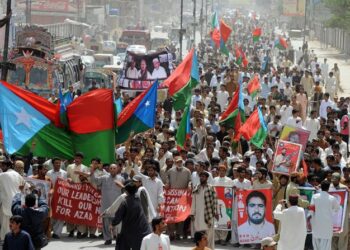

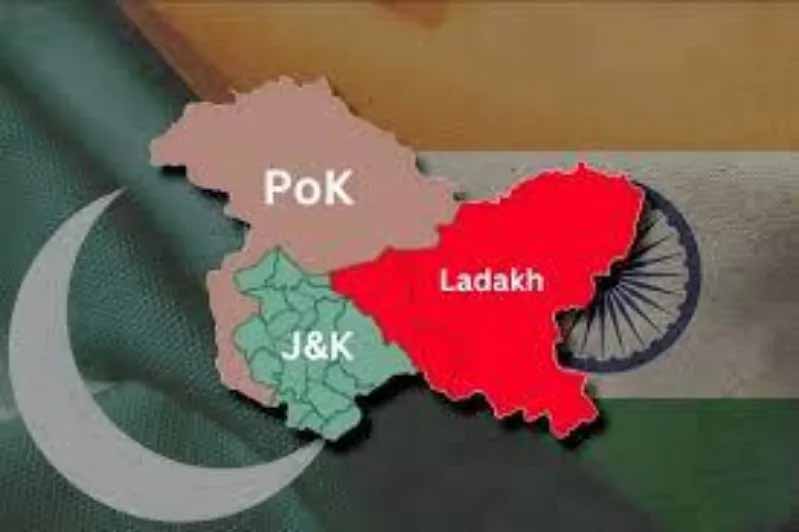
A comparative assessment presented in Beyond the Line of Control casts Pakistan’s administration of its portion of Kashmir in an increasingly unfavorable light, arguing that the region remains subject to centralized control that limits political agency and civic development .
The document describes Pakistan-administered Jammu and Kashmir (PoJK) as operating within a constrained constitutional framework, where meaningful authority is retained by federal institutions in Islamabad. Local governance, the report suggests, functions with limited autonomy, weakening democratic accountability and public participation.
By contrast, the report frames Indian-administered Jammu and Kashmir as exhibiting more visible institutional integration and public infrastructure. The juxtaposition, while acknowledging persistent security challenges, underscores what the authors portray as a widening gap in administrative outcomes across the Line of Control.
Taken together, the comparison challenges Pakistan’s longstanding assertions that its Kashmir policy prioritizes self-determination and local empowerment.