
Written By Mir Yar khan
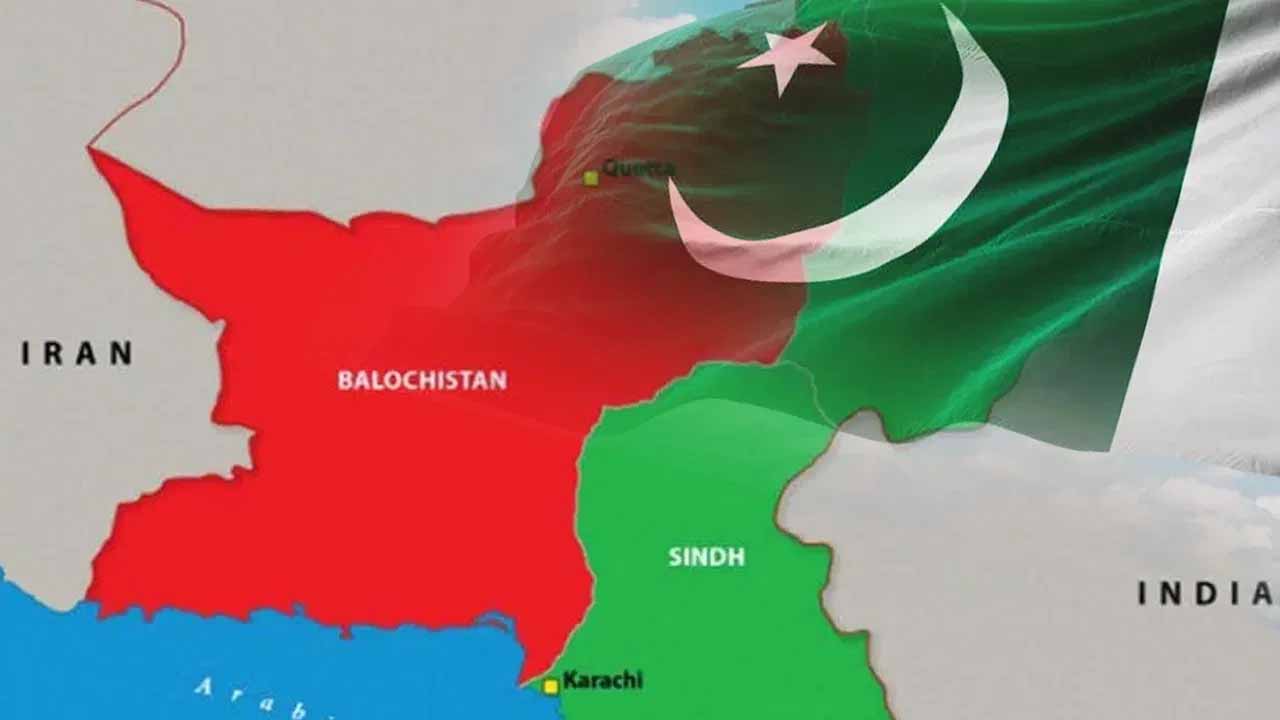
For decades, Balochistan has been spoken of as Pakistan’s “periphery.” In reality, it has been its economic spine. Yet the paradox is cruel: the land that fuels the state remains impoverished, voiceless, and marginalised. Allegations emerging from Baloch representatives today force an uncomfortable question into the open — can Pakistan continue to deny accountability for what is described as the systematic extraction of Balochistan’s wealth since 1948?
The figures cited by Baloch voices are staggering. They claim that between $10 trillion and $15 trillion worth of natural resources have been taken from Balochistan over nearly eight decades. Whether Pakistan can ever repay such a sum is almost beside the point. The deeper issue is moral and political: a state that has allegedly built its defence, its economy, and its strategic leverage on the uncompensated exploitation of one region cannot indefinitely escape scrutiny.
According to these claims, from the moment Pakistan came into existence on 14 August 1947, Balochistan’s incorporation was followed not by development, but by extraction — enforced through military power rather than consent. Baloch representatives argue that even foreign-backed projects such as the China–Pakistan Economic Corridor (CPEC), under which nearly $70 billion has flowed into Pakistan, have done little to alter this pattern. Instead, they say, such initiatives have deepened the cycle of extraction while excluding the local population from meaningful benefits.
History, too, is invoked as evidence of this imbalance. Baloch sources point to the episode involving Mir Ahmad Yar Khan, the ruler of Balochistan, who is said to have weighed Muhammad Ali Jinnah in gold in 1947 to help the new state establish its currency. Today, that gold would be worth billions. For many Baloch, this episode symbolises not partnership, but the beginning of economic dispossession.
Even more consequential are the post-1948 figures cited by Baloch activists. Pakistan’s defence expenditure is alleged to have crossed $5 trillion over the decades, much of it, they argue, financed through revenues drawn from Balochistan’s gas, minerals, and metals. Alongside this, accusations persist that nearly $6 trillion has been siphoned abroad as black money by elements within the military establishment — wealth that Baloch voices insist originated in the region’s natural resources.
The daily numbers underline the scale of the grievance. Claims suggest that the Sui gas field alone generates ₹42 billion per day from over 100 wells, while Pakistan earns billions more from nearly 2,000 coal mines and from gold and copper extraction at Saindak and Reko Diq. When the cumulative cost of Pakistan’s military arsenal — weapons, aircraft, naval fleets, armoured vehicles, and personnel — is added up, the total runs into trillions of dollars. Baloch representatives argue that this military power has effectively been financed by Balochistan’s soil.
And yet, Balochistan remains one of the most underdeveloped regions in Pakistan. This is the most damning contradiction of all. A land rich in gas, coal, gold, and copper continues to see its people living below the poverty line, without reliable access to education, healthcare, or basic infrastructure. Resource wealth has not translated into human development — a failure that cannot be explained away by geography or governance alone.
For Baloch voices, the argument is no longer merely economic. It is existential. They contend that the time has come to end what they describe as decades of plunder, to reclaim every penny allegedly taken, and to redirect that wealth toward rebuilding Balochistan’s economy, infrastructure, and social fabric. Compensation, they argue, is not charity — it is restitution.
Pakistan has consistently rejected these allegations. But denial does not make the questions disappear. As regional and international attention increasingly turns toward issues of resource justice, federal equity, and internal colonialism, the Balochistan question stands as a stark reminder: no state can indefinitely sustain itself by extracting wealth from one people while denying them dignity, development, and a fair share in their own land.