
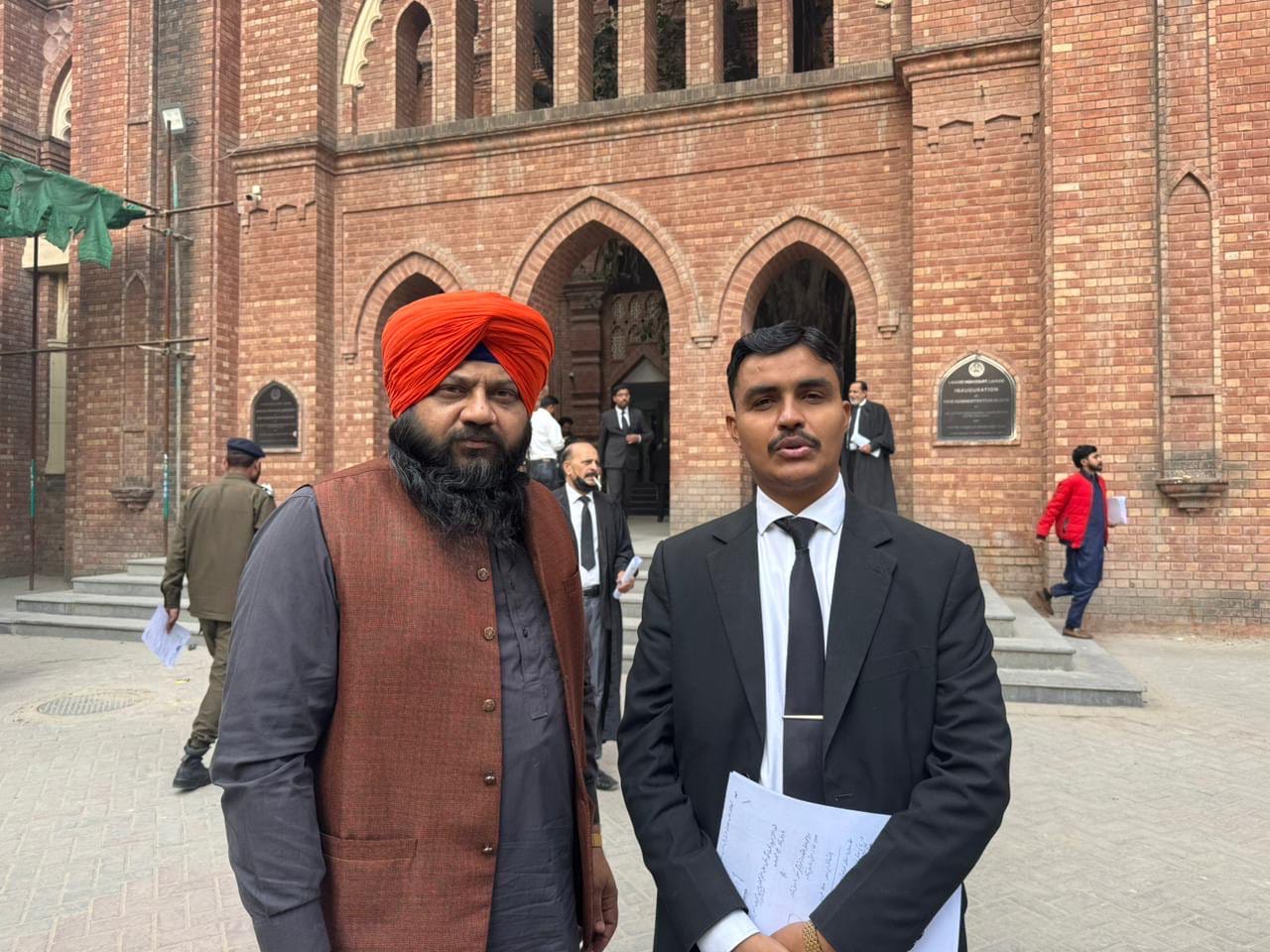
Lahore: A new petition filed in Pakistan’s Lahore High Court has sparked controversy, as former Parliamentary Secretary and Member of Provincial Assembly (MPA) Sardar Mahinderpal Singh seeks the deportation of Sarabjit Kaur, a Sikh woman from India, for allegedly overstaying her visa. The petition claims that Kaur, who entered Pakistan on a pilgrimage visa, violated the terms of her visa by deviating from the approved pilgrimage route, and is accused of attempting to flee criminal charges in India.
Watch Video Here:
Singh’s petition names several respondents, including Pakistan’s Federal Government, the Ministry of Interior, the Federal Investigation Agency (FIA), and the Government of Pakistan. It asserts that Kaur’s presence in Pakistan is unlawful, suggesting that her visit may be part of an attempt to evade prosecution in India for unspecified criminal cases. Singh further alleges that he has faced significant pressure from various government authorities, including Pakistan’s Evacuee Trust Property Board (ETPB) and other agencies, to take action against Kaur.
The petition, however, has raised eyebrows due to the context in which it has been filed. Critics argue that it highlights the ongoing discrimination faced by minorities, particularly Sikhs, in Pakistan. While Kaur entered Pakistan under the guise of religious pilgrimage, her case has been framed within a narrative that criminalizes her for allegedly overstaying her visa, with the added accusation of using Pakistan as a safe haven from legal troubles in India.
The move comes at a time of heightened tensions between India and Pakistan, where political agendas often influence actions against members of minority communities, especially those with ties to India. Some human rights organizations and members of the Sikh diaspora have expressed concern that the Pakistani government may be using this case to deflect attention from other pressing human rights issues within the country, particularly with regard to religious freedom and the treatment of ethnic minorities.
Many have pointed out that Pakistan’s treatment of Sikhs like Sarabjit Kaur is reflective of a larger, troubling pattern of discriminatory practices against minority groups. The filing of this petition, along with the pressure reportedly placed on Singh by various Pakistani agencies, only reinforces claims of Pakistan’s failure to protect the rights of religious minorities, even when they are on religious pilgrimages within the country.
Kaur’s case is being closely watched by Sikh communities around the world, with calls for greater transparency regarding her legal status in Pakistan. Some have even speculated that the petition is politically motivated, suggesting that Kaur’s status as a Sikh from India may have influenced the decision to target her, regardless of her actual visa violations.
In response to the petition, several human rights groups have expressed concern that Pakistan may be misusing its legal system to punish those who do not align with the state’s political and religious agendas, including those who simply seek to visit religious sites as part of their spiritual practice. The petition’s framing of Kaur as a fugitive from justice raises alarm bells for many, as it feeds into long-standing narratives of suspicion and hostility against religious and ethnic minorities.
Pakistan’s government has yet to respond publicly to the petition, but it has raised questions about how the country’s legal system is being used to treat those seeking refuge or religious sanctuary, especially from neighboring India. This case stands as yet another example of how minority communities in Pakistan—already facing systemic challenges—continue to be subject to the whims of an unstable and often discriminatory legal system.
In the midst of these developments, activists and international organizations are calling for greater scrutiny of the situation, urging Pakistan to uphold its commitments to religious freedom and the rights of minorities within its borders. Whether or not Sarabjit Kaur will be deported remains to be seen, but this case is likely to further fuel tensions between the two countries, while also shining a spotlight on Pakistan’s treatment of its religious minorities.