
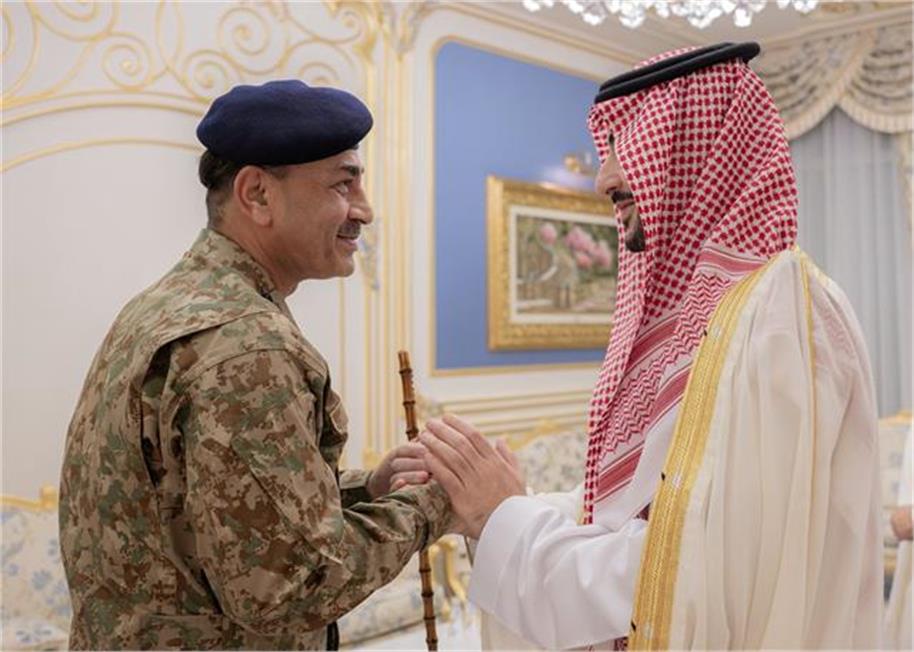
Pakistan–Saudi Arabia Relations: Eleven years after Parliament rejected participation in the Saudi-led intervention in Yemen, Pakistan is once again preparing to send troops to Saudi Arabia, this time without a parliamentary vote. The move highlights the military’s growing influence over the country’s foreign policy under Field Marshal Asim Munir. It follows a defence agreement involving Saudi Arabia and Turkey in August, which is now being activated amid escalating attacks by Iran-backed Houthi rebels in Yemen.
Constitutional amendments introduced last year extended Munir’s command over all branches of the armed forces until 2030. Analysts view the proposed deployment as further evidence of the military’s expanding influence, particularly amid persistent political tensions. Imran Khan’s party has repeatedly accused the military of excessive interference in civilian politics. While the military has historically operated within the framework of parliamentary decisions on major deployments, the latest developments raise questions about the extent of civilian oversight.
Pakistan’s Ministry of Information has maintained that the necessary government procedures for the deployment have been followed. However, citing operational confidentiality, it has offered little clarity on the involvement of the Cabinet or Parliament in the decision-making process. It also remains uncertain whether Pakistani troops will engage directly in combat against the Houthi rebels. Any such involvement could complicate Pakistan’s diplomatic efforts to maintain a mediating role in US-led initiatives concerning Iran.
The Houthis have threatened Saudi vessels and recently targeted critical infrastructure, raising concerns about regional security. Following an emergency meeting involving Saudi and Turkish defence officials, the deployment of military capabilities was announced. However, officials have not disclosed the number of troops involved or the precise nature of the mission.
In 2015, Pakistan’s Parliament unanimously voted against sending troops to Yemen, reflecting concerns about becoming embroiled in a regional conflict. The current situation, however, appears to signal a political shift rather than a formal constitutional change, as the Constitution continues to place the armed forces under government control. Pakistan’s political parties have yet to comment publicly on the proposed deployment. Analysts warn that closer ties with foreign partners could further strengthen the military’s position, adding another layer of complexity to the country’s already delicate civil–military balance.