
What makes the emergence of the BLF’s female armed unit particularly significant is not simply that women in Pakistan are also taking up arms now. It is what this says about the Baloch movement itself.
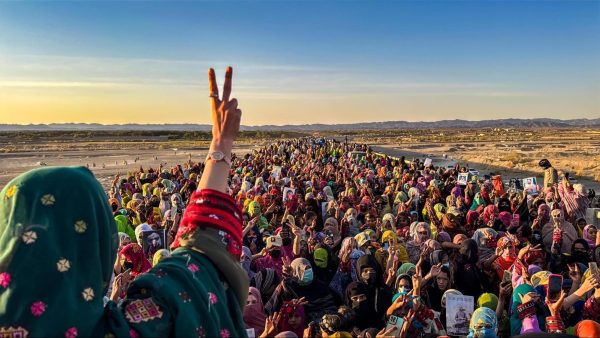
This is not the familiar Islamist model of militancy, where women are largely confined to prescribed social roles while the political and armed struggle remains a male domain. Baloch women have instead become increasingly visible as political actors, protestors and the public face of a movement shaped by disappearances, detentions and years of unresolved grievances.
Pakistan’s own courts have dealt with cases involving enforced disappearances of Baloch men, including young and elderly people.
This is precisely why Pakistan’s blanket portrayal of the Baloch cause as a ‘terrorist enterprise’ deserves closer scrutiny. The Baloch movement doesn’t at all fit into the ideological template of jihadist organisations. There is no comparable doctrine of female subjugation, sectarian mobilisation or religious extremism at its core. Its politics are rooted primarily in Baloch ethnic nationalism and the question of political rights and autonomy.
Mahrang Baloch, who has been sentenced to life imprisonment and is currently in Pakistani custody, is perhaps the most powerful symbol of this transformation. She built a movement around peaceful political mobilisation and became a powerful symbol of resistance for Baloch women.
If Rawalpindi believes that putting Mahrang Baloch behind bars will contain the anger she came to represent, it may be misreading the situation. Imprisoning the most visible political face of that anger does not necessarily extinguish it; it can deepen the sense of grievance around it.
The more women are pushed out of the political space, the greater the risk that the space will be occupied by harder forms of mobilisation.
And here we are. The BLF is already inducting women into military roles.
For Pakistan, this is a far more consequential political and international optics problem than another militant formation emerging in Balochistan.
Source: