
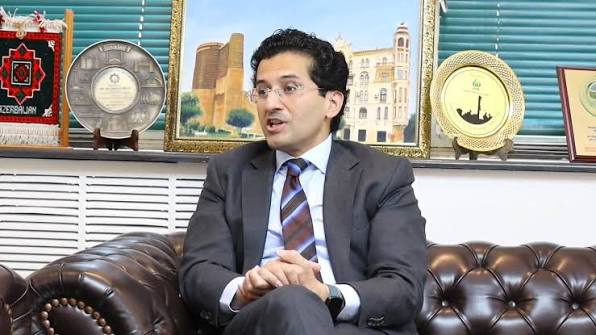
Islamabad: Pakistan could see petrol prices surge to as much as 1,000 Pakistani rupees per litre if the country faces a fuel shortage, Petroleum Minister Ali Pervez Malik has warned, as mounting tensions in West Asia continue to put pressure on international oil markets.
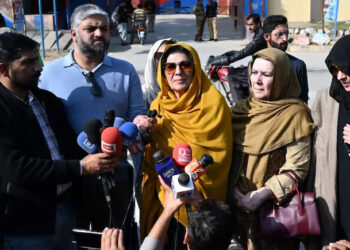
Speaking to journalists in Lahore, Malik said petroleum product prices in Pakistan had already risen by around 50 per cent, according to Geo News. He also pointed to rising fuel costs in Europe and the United States, highlighting the broader impact of the current volatility in global energy markets.
The minister warned that any further deterioration in international market conditions, coupled with disruptions to fuel supplies in Pakistan, could have a significant impact on domestic petrol prices.
Referring to the continuing tensions in West Asia, Malik said Pakistan did not accept attacks carried out by Houthi rebels. Growing security risks in the region, particularly around key maritime routes, have raised concerns over the movement of oil supplies and their potential impact on global prices.
The Pakistani Government has said it is taking steps to cushion vulnerable sections of society from the effects of rising fuel costs. However, the country’s already challenging economic conditions could make it more difficult to absorb any further increase in international energy prices.
Malik also outlined the Government’s focus on strengthening Pakistan’s energy security. He said efforts were under way to encourage the development of domestic oil and gas resources and improve the country’s overall energy supply.
Pakistan is already dealing with pressure on its foreign-exchange reserves, inflation and dependence on imported energy. A sustained rise in international oil prices could increase the country’s import bill and place further financial pressure on consumers.
The Rs1,000-per-litre figure remains a potential scenario rather than a current petrol price, with the minister linking such a rise to a possible fuel shortage and further deterioration in international market conditions.