

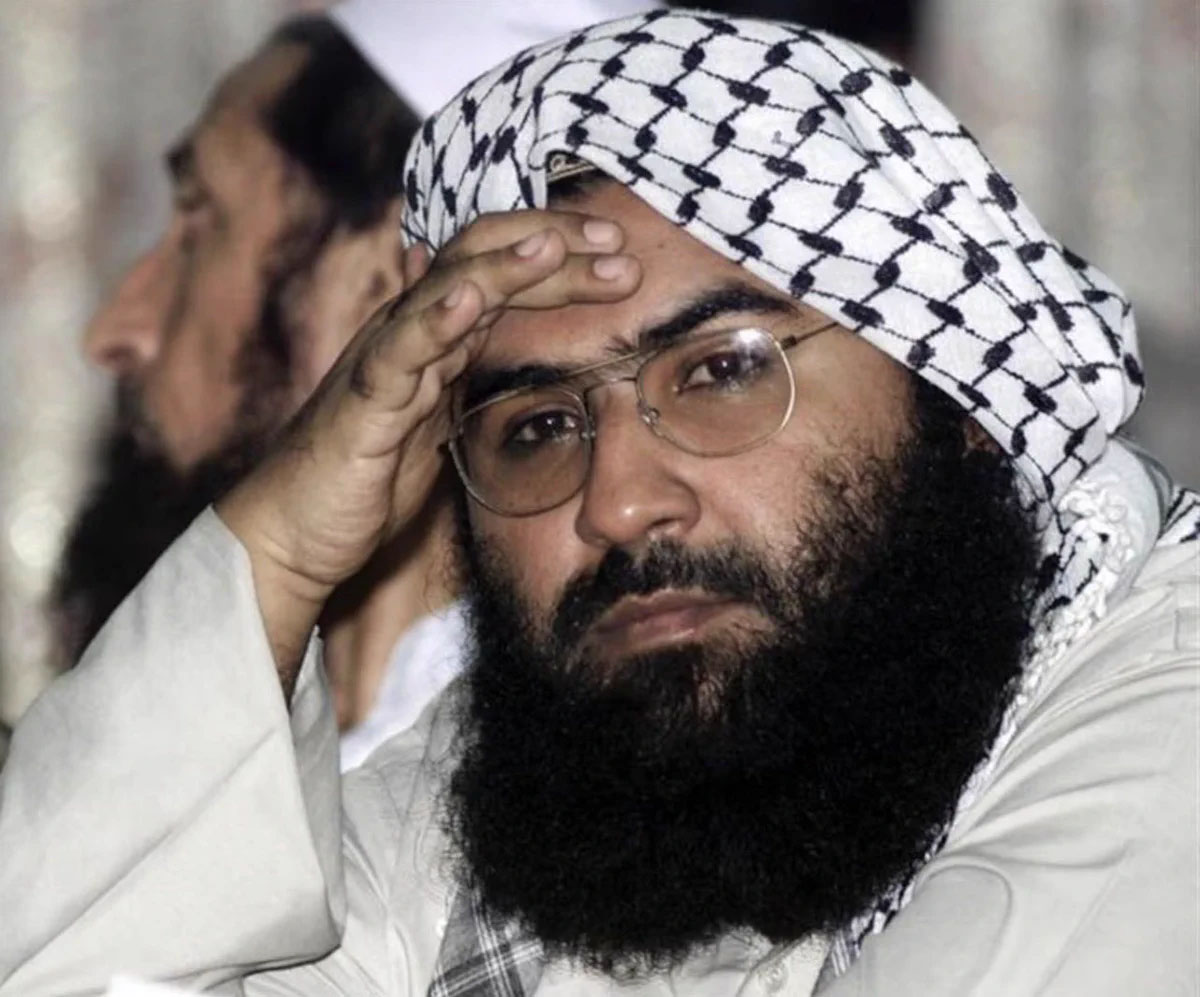
Pakistan has a curious way of fighting terrorism: sometimes it fights the terrorist, sometimes it fights the paperwork around the terrorist.
Take Masood Azhar. Pakistan has now announced a PKR 70 lakh reward for information leading to the arrest of the Jaish-e-Mohammed chief. This sounds significant until you put it against the larger picture. The same JeM network has been trying to raise PKR 3.91 billion through digital wallets to build 313 new markaz in Pakistan, with more than 250 EasyPaisa wallets being used for the campaign.
This is the contradiction that never leaves Pakistan. Islamabad can announce a bounty on the head of a terrorist organisation while treating him like a national son-in-law, with his outfit continuing to rebuild its infrastructure smoothly.
They always do this. Issue notifications, update lists, freeze accounts, announce rewards and present the paperwork as evidence of compliance. But the real test is what happens beyond the paperwork.
Are the terrorists arrested? Are their financial networks dismantled? Are their organisations prevented from raising money? Are their facilities permanently shut? Are their handlers prosecuted?
This is the difference between counter-terrorism and counter-terrorism theatre.
The FATF lesson is particularly relevant here. Pakistan was removed from the FATF grey list in 2022 after implementing an action plan, but being taken off a watchlist was never the same thing as proving that every terror-financing network had disappeared.
A PKR 70 lakh reward means little if the organisation of the man being hunted can simultaneously raise billions of rupees, rebuild its infrastructure and expand its network.
Announcements are not evidence. Outcomes are.