
India and China were among the first countries to send both relief supplies and specialised assistance to flood-hit Nepal.
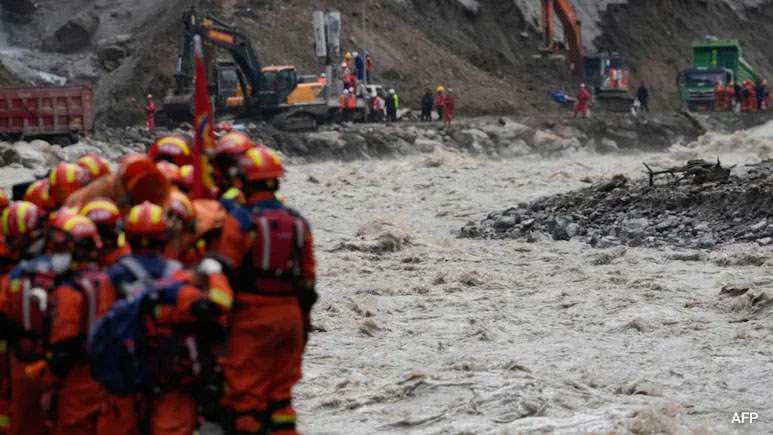
Kathmandu: Nepal’s Prime Minister Balendra ‘Balen’ Shah has thanked India, China, and the United States for their timely assistance following the deadly flash floods in the Bhotkoshi River, which have claimed over 1,200 lives so far. Addressing the Nepali Parliament on Tuesday, Shah acknowledged that emergency assistance teams and relief supplies sent by neighbouring nations helped in dealing with the aftermath of the devastation that swept away villages, roads, and power plants across at least three districts in the country a week ago.
Shah also shared the latest casualty figures, which climbed to 1,204 by Wednesday evening as rescue operations continue. More than 4,200 people in Nepal are still unaccounted for, including 275 missing Indian pilgrims and tourists.
“In these difficult times, we got support from various countries, including India, China, the US, and others. We got support from various banks,” Shah said.
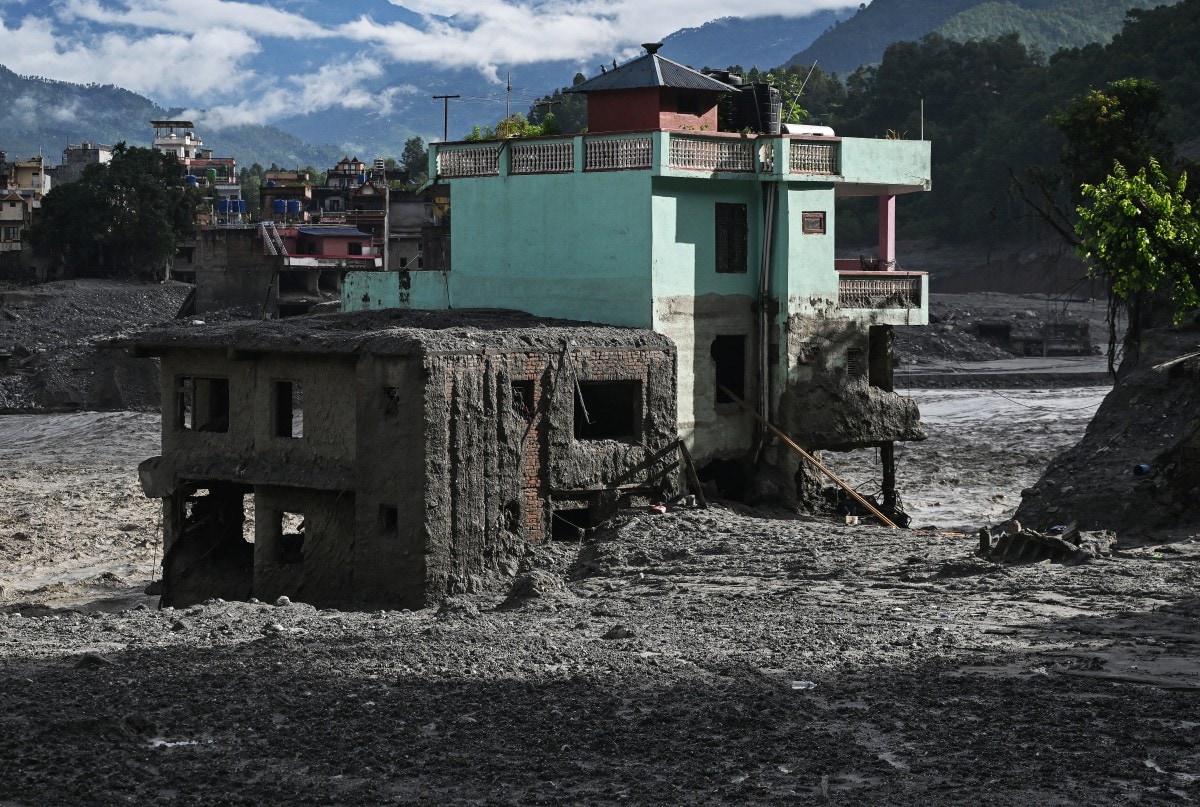
Photo Credit: AFP
Shah’s comments came days after Nepal’s Foreign Minister Shisir Khanal said the Himalayan country has decided to shift its diplomatic position to claim climate-linked ‘compensation’ from major emitters for natural disasters.
Kathmandu has also launched a diplomatic campaign to seek international monetary help, with Khanal saying the post-disaster aid should be treated as a matter of “moral liability” and “not charity.”
India’s Rapid Action
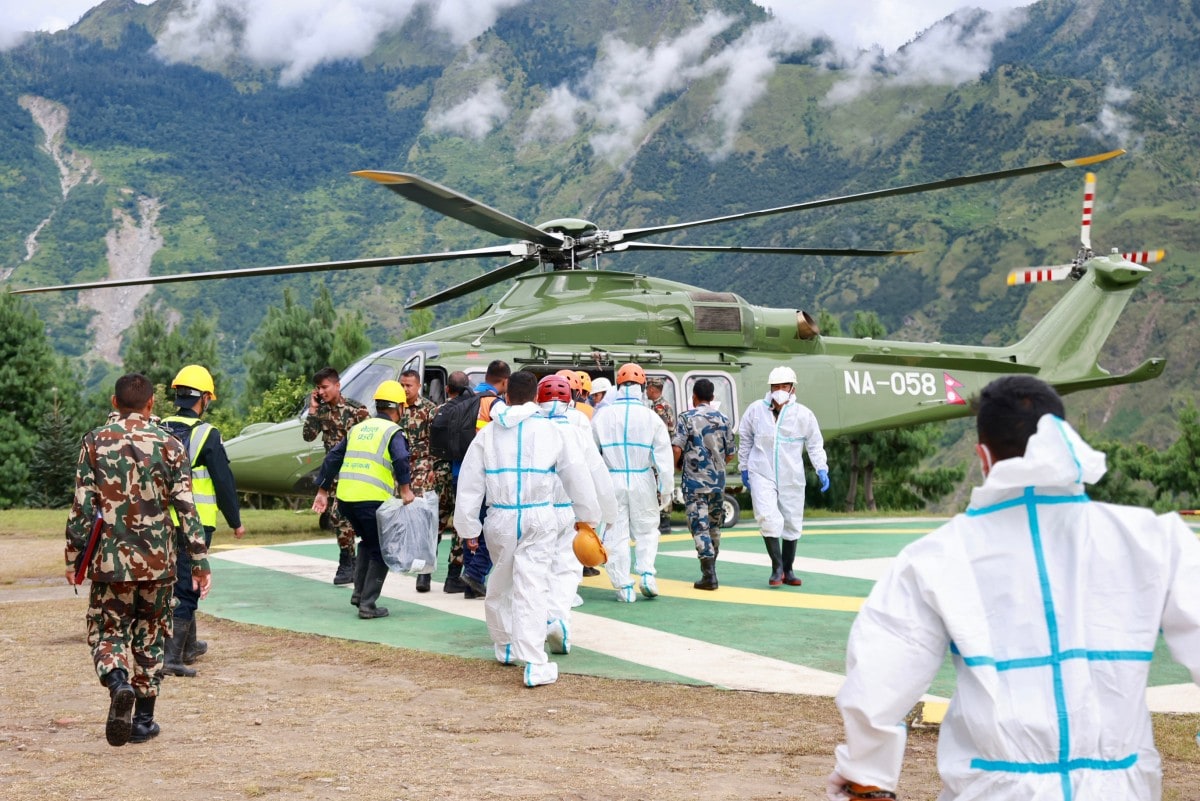
Photo Credit: AFP
India and China were among the first countries to send both relief supplies and specialised assistance to flood-hit Nepal. Since August 26, New Delhi has sent at least five tranches of relief material — including blankets, sleeping bags, heavy-duty tarpaulins, plastic sheeting, and hygiene kits — to flood-hit Nepal, with the Indian Air Force conducting multiple sorties to transport emergency supplies.
The supplies also include essential medicines, food packets, solar lamps, water purification tablets, and portable generators.
India has also sent several rescue teams with specialised equipment to assist Nepali authorities in relief efforts around hydropower tunnels and in forensic work linked to the identification and handling of dead bodies and missing people.
China, meanwhile, is continuously engaged in the rescue and recovery operations on the Tibet side of the border. Beijing has also fully reopened the only road leading to the Gyirong border crossing into Nepal a week after sections were washed away by catastrophic flooding, allowing heavy machinery to reach the main disaster zone for the first time.