
By Chandan Singh | Page 3 News Worldwide | New Delhi
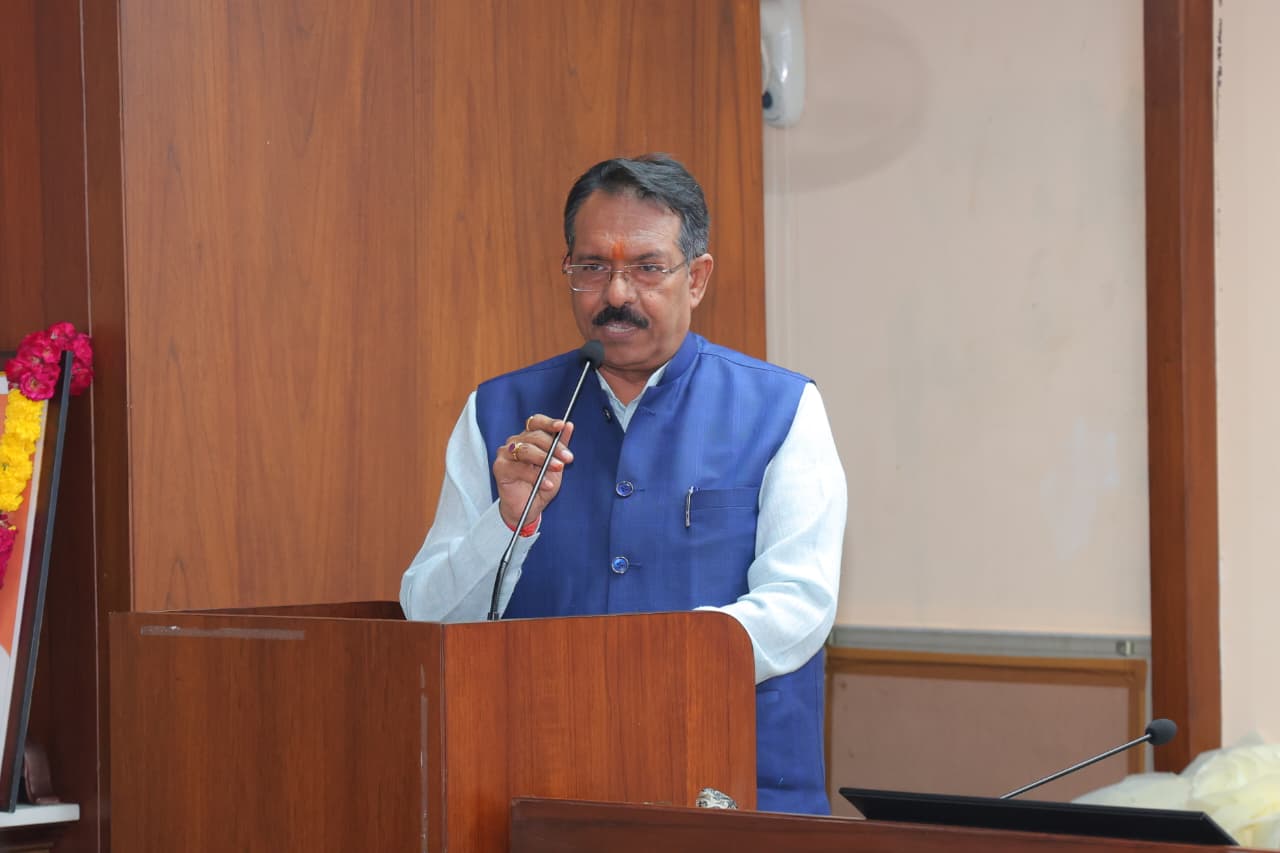
New Delhi: Delhi BJP President Harsh Malhotra on Friday alleged that Aam Aadmi Party (AAP) convenor Arvind Kejriwal attempted to prolong the ongoing students’ movement for political gains, asserting that the commencement of dialogue between student representatives and the Centre has weakened the opposition’s strategy.
Addressing the media, Malhotra said the decision of social activist Sonam Wangchuk to end his hunger strike and the initiation of talks with the Government of India reflect a constructive approach towards resolving students’ concerns. He claimed that the possibility of a negotiated settlement had disrupted what he described as AAP’s efforts to regain political relevance through the agitation.
Malhotra praised the Narendra Modi-led Central Government for taking a proactive approach to issues affecting students, particularly examination integrity. He said the government’s proposed stringent anti-paper leak legislation, including provisions for fast-track court trials, demonstrates its commitment to protecting students’ interests and strengthening the examination system.
The Delhi BJP chief also criticised Arvind Kejriwal over his alleged silence on the pharmacy examination paper leak in Punjab, calling it evidence of “double standards” on matters related to education and governance.
He further alleged that senior AAP leaders, including Sanjay Singh, Saurabh Bhardwaj and Gopal Rai, have intensified their criticism of the Centre after discussions between the government and students gained momentum. According to Malhotra, these statements are aimed at provoking students despite the ongoing efforts to reach an amicable resolution.
Reiterating his charge, Malhotra said Kejriwal had hoped to extend the students’ agitation to revive his political standing, but the progress in talks between the Centre and student representatives has undermined that strategy. He expressed confidence that the government’s dialogue-driven approach and proposed legal reforms would help address students’ concerns while ensuring greater transparency and accountability in the examination process.